Fixture Installation Tips: Faucets, Showers, and Toilets
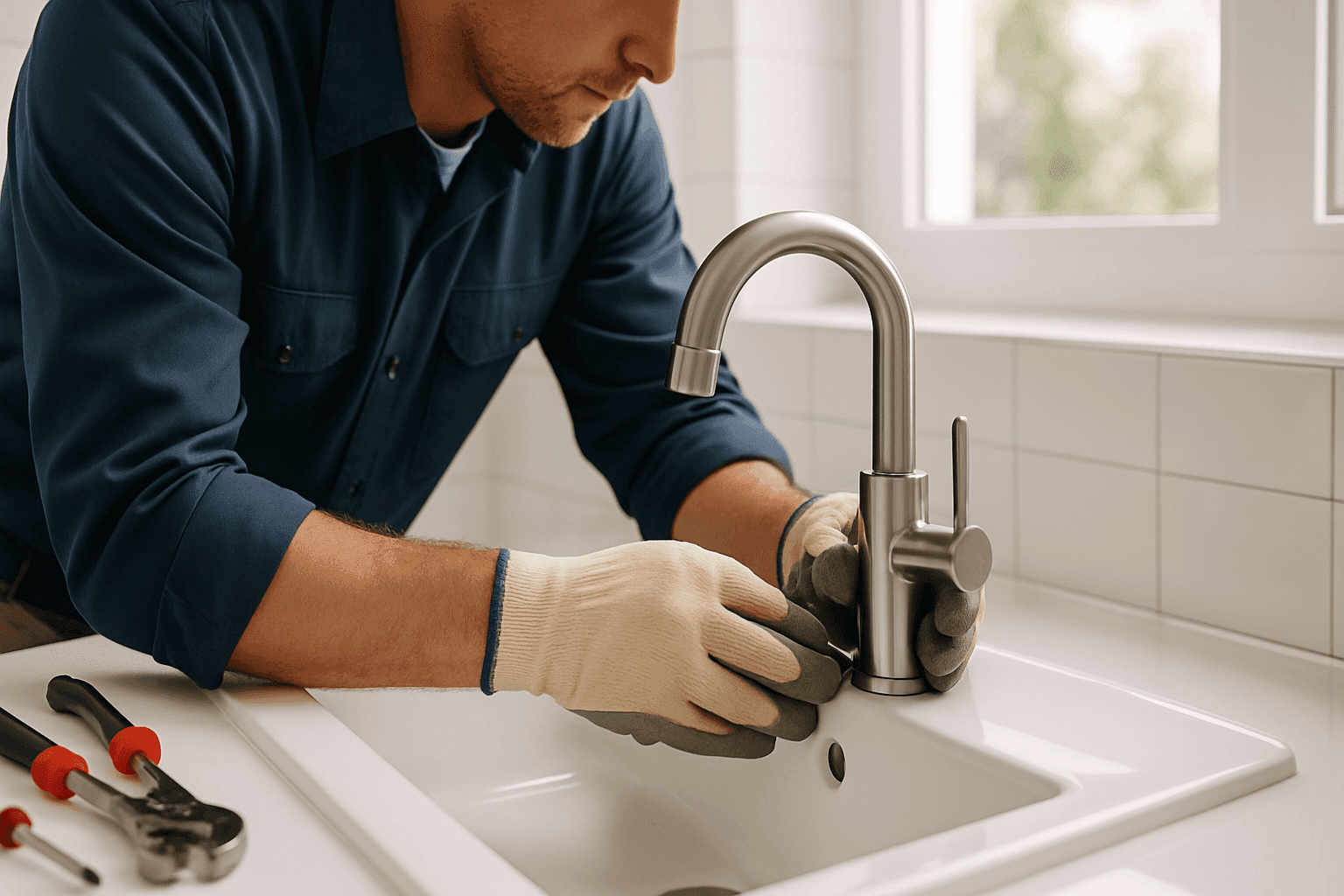
Is your faucet dripping? Maybe you’re tired of that leaky shower or you want a new toilet that finally flushes right. You’re not alone. Many homeowners look at their fixtures and think, “I can handle that!” And sometimes, you can.
But plumbing isn’t just nuts and bolts. It’s about keeping water where it belongs. A small mistake can turn a quick upgrade into an emergency plumbing call. Let’s walk through what you need, how to do it, and when to call in the pros at Down to Earth Plumbing.
Tools and Supplies Needed 🛠️
Before you start, gather your tools. Having everything on hand keeps things moving and helps prevent a half-finished job.
- Adjustable wrench and basin wrench
- Screwdrivers (Phillips and flathead)
- Plumber’s putty or silicone sealant
- Pipe tape (Teflon tape)
- Bucket and towels
- Level
- Utility knife
- New supply lines (if needed)
- New gaskets or washers
- Safety gloves and goggles
For some jobs—like showers or toilets—you might need a hacksaw, caulk gun, or wax ring. Check your fixture’s manual for any specialty items.

Step-by-Step for Each Fixture
Faucet Installation
- Shut Off the Water: Look under the sink for shut-off valves. Turn them clockwise. Open the faucet to relieve pressure.
- Disconnect Old Faucet: Use your wrench on the supply lines. Remove mounting nuts. Lift out the old faucet.
- Clean the Surface: Scrape away old putty or grime. Wipe the area dry.
- Install the New Faucet: Insert it through the holes. Use plumber’s putty or the included gasket to create a watertight seal.
- Tighten Mounting Nuts: Hand-tighten first. Then use a wrench, but don’t overdo it—overtightening can crack porcelain or strip threads.
- Reconnect Supply Lines: Wrap Teflon tape on threads. Attach and tighten snugly.
- Turn On Water and Test: Open valves slowly. Check for leaks and make sure handles work smoothly.

Warning: Over-tightening is a common mistake. Think of the threads like a sandwich—firm, but not squished flat.
Shower Fixture Installation
- Shut Off Main Water: Most showers lack local shut-offs.
- Remove Old Hardware: Unscrew handles, escutcheons, and shower head. Use a utility knife to cut away old caulk.
- Inspect Plumbing: Look for corrosion or damage. If pipes are pitted or green, consider pipe repair or repiping.
- Install New Valve (if needed): This part may require soldering. If you’re not confident, stop and call for emergency plumbing help.
- Attach New Trim and Head: Hand-tighten parts. Use Teflon tape on threaded connections.
- Seal with Caulk: Water can sneak behind walls. Run a bead of silicone caulk around fixtures to keep moisture out.
- Restore Water and Check: Turn on water. Watch for drips or leaks. Test both hot and cold.

Warning: Never skip the sealing step. It’s like putting on a raincoat—without it, you’re asking for trouble.
Toilet Installation
- Shut Off Water at the Valve: Flush to empty the tank. Sponge up any leftover water.
- Remove Old Toilet: Disconnect the supply line. Unscrew floor bolts. Rock the toilet gently to break the seal.
- Check the Flange: It should be clean and level. Replace if cracked.
- Install Wax Ring: Place new ring on the flange. This is your odor and leak barrier.
- Set New Toilet: Lower straight down over bolts. Press firmly to seat the wax.
- Tighten Bolts: Alternate sides. Don’t crank them! Over-tightening can crack porcelain.
- Reconnect Supply Line: Use Teflon tape on threads. Hand-tighten, then snug up.
- Test and Seal: Turn on water. Flush a few times. Caulk around the base.

Warning: Poor sealing at the base leads to “phantom” leaks and smells you don’t want. Take your time.
Avoiding Common Mistakes 🚧
- Overtightening: Stripped threads or cracked porcelain aren’t fun. Tighten by hand, then a quarter-turn more.
- Skipping Sealant: Water finds the tiniest gaps. Always use plumber’s putty or silicone where needed.
- Forgetting Teflon Tape: Bare threads can drip.
- Mixing Metal Types: Don’t join copper directly to galvanized steel without a dielectric fitting—corrosion is the enemy.
- Not Leveling Fixtures: A leaning faucet or toilet looks odd and can leak.
- Reusing Old Supply Lines: They’re cheap insurance—replace them with every new installation.
Refer to your local building codes or the Uniform Plumbing Code (UPC) for details on fixture clearances and approved materials.
When to Call a Plumber
Some jobs look easy—until you’re ankle-deep in water or staring at a pipe that won’t budge. Call Down to Earth Plumbing if:
- You see corrosion, rust, or greenish stains on pipes
- Water shut-offs don’t work or break off
- You suspect a hidden leak (water stains, mold, musty smells)
- There’s low water pressure after installation
- You hear gurgling, banging, or whistling in pipes
- You’re unsure about anything involving gas lines or backflow prevention
Emergency plumbing isn’t just about floods. Sometimes, it’s about catching a small problem before it becomes a disaster.
Quick Safety Checklist
- Always turn off water at shut-off valves or main supply.
- Wear gloves and eye protection—splashes happen.
- Use a voltage tester if working near electrical outlets.
- Have a bucket and towels ready for drips or spills.
- Keep kids and pets away from the work area.
Safety is about thinking ahead. A little caution now saves a lot of trouble later.
DIY vs. Call a Pro
DIY can be a satisfying way to upgrade your home. Swapping out a faucet or showerhead? Most folks can handle it with a careful approach. Toilets take a bit more muscle but are doable if you follow the steps above.
But if you run into stubborn shut-offs, rusty pipes, or anything below the floor or behind the wall, it’s smart to call Down to Earth Plumbing. We handle everything from Preventative Maintenance near you to full repiping, leak detection, and gas safety checks.
What Pros Do On Arrival
- Inspect all visible plumbing for signs of wear or leaks.
- Use leak detection tools for hidden problems.
- Check water pressure and supply lines.
- Ensure fixtures are level and sealed.
- Test for correct operation—no drips, solid flushes, strong flow.
- Clean up thoroughly, leaving your space better than we found it.
We also follow local and national codes, such as those from the International Association of Plumbing and Mechanical Officials (IAPMO).
Prevention & Maintenance
- Check supply lines and shut-off valves every year.
- Re-caulk or reseal fixtures as needed.
- Watch for slow drains or gurgling sounds—signs of a clog.
- Schedule Preventative Maintenance near you for peace of mind.
- Consider water filtration systems to reduce sediment and extend fixture life.
Costs & Time Factors
- Faucets: 30–90 minutes; main cost is replacement parts and new supply lines.
- Showers: 1–3 hours; can run longer if you need a new valve or plumbing behind the wall.
- Toilets: 1–2 hours; wax ring, bolts, and supply line are minimal, but flange repairs add time.
Labor costs vary. If you hit a snag—like a stuck shut-off or a corroded flange—the job can take longer and require specialized tools.
When It’s an Emergency
- Water won’t shut off and is flooding the room
- You smell gas or see water near electrical outlets
- Sewage backs up from drains or toilets
- You hear water running inside walls with no visible source
- Pipes freeze and burst in cold weather
These are true emergencies. Shut off water at the main, stay safe, and call Down to Earth Plumbing right away.
FAQ
Q: Can I reuse my old supply lines?
A: It’s best not to. Old lines can crack and leak. Replace them with each new fixture.
Q: Why does my new faucet leak at the base?
A: Usually a poor seal—try reapplying plumber’s putty or silicone and retighten (but not too much).
Q: My toilet rocks after installation. Is that okay?
A: No. It should sit flat. Use shims and re-caulk as needed.
Q: How do I know if my shower valve is installed right?
A: It should turn smoothly, with no drips or leaks. If in doubt, call for an inspection.
Local/Seasonal Considerations 🌦️
In colder months, pipes can freeze—especially in older homes. If you’re installing fixtures near exterior walls, insulate pipes as you go. In rainy seasons, be alert for sewer line backups—if water is slow to drain, call before it’s an emergency.
In hard water areas, consider adding a water filtration system to protect new fixtures from mineral buildup and stains.
Small upgrades add comfort and value to your home—but they’re not always as simple as they look. If you ever feel stuck, rushed, or worried about water where it doesn’t belong, Down to Earth Plumbing is here for you.
Call Down to Earth Plumbing now — or reach us anytime at 888-488-8509 .