Pipe Leak Detection: Early Warning Signs & DIY Checks
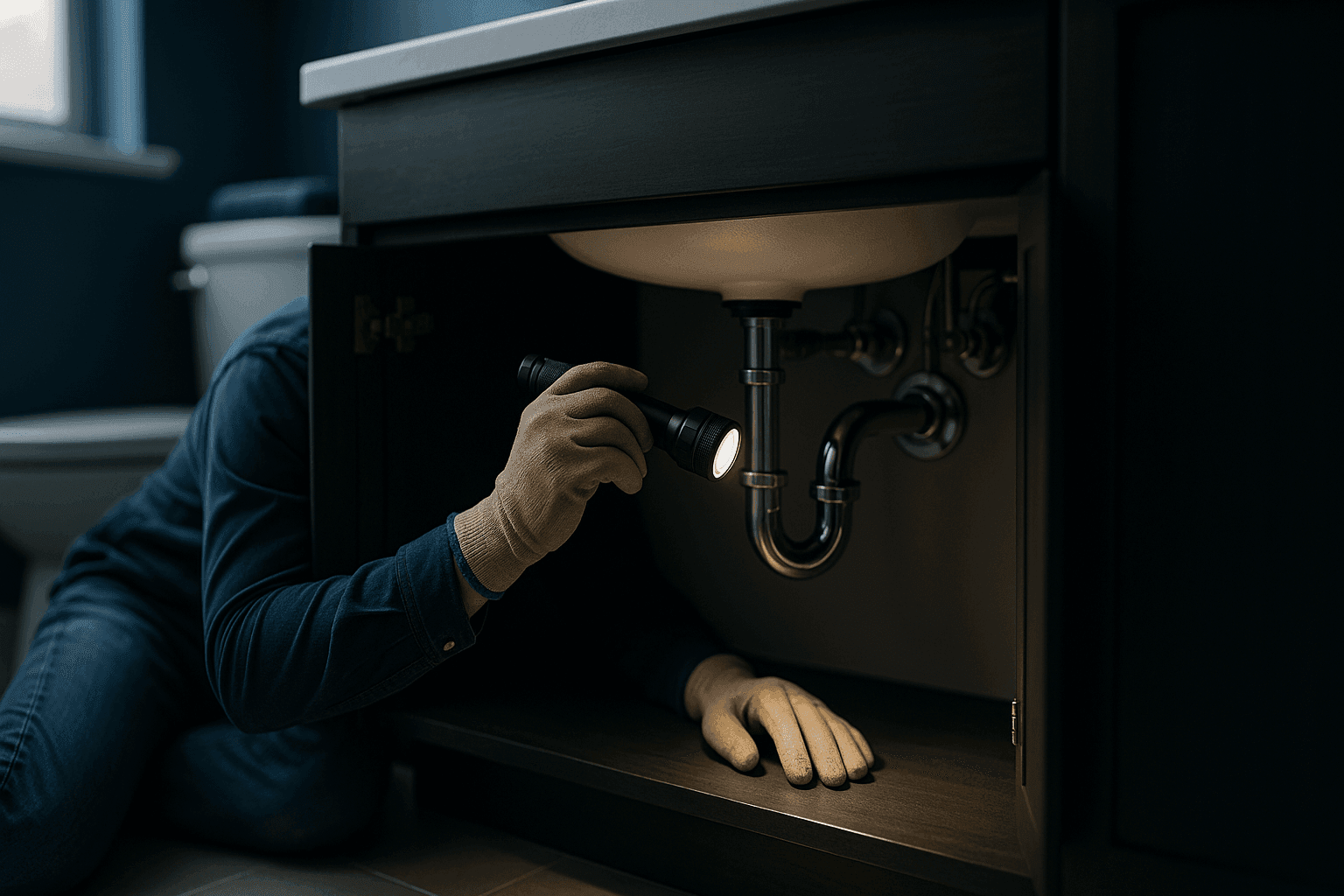
When it comes to your home, pipe leaks are like silent stowaways. They lurk out of sight, quietly causing trouble while you go about your day. A slow drip behind a wall can turn into a soaked carpet or warped floor before you even notice. Water damage plays the long game—and it always wins if you don’t act fast.
We’re Down to Earth Plumbing. Every day, we see the headaches that hidden leaks bring—sky-high water bills, musty odors, emergency plumbing calls at midnight. The good news? Catching leaks early is possible with a sharp eye and a few simple checks.
Why Early Detection Matters 🕵️
Think of a pipe leak as a ticking clock. Every minute water escapes, it seeps into places it shouldn’t—behind drywall, under cabinets, into your foundation. The longer it goes unnoticed, the bigger the mess. Early detection saves you from:
- Unexpected structural repairs
- Mold and mildew (which can trigger allergies and asthma)
- Higher insurance premiums or denied claims
- Days without water during major pipe repairs
The Insurance Information Institute warns that water damage is one of the most common—and costly—home insurance claims. Insurance adjusters look for signs that you acted quickly. Spotting leaks early can mean the difference between a simple repair and a major claim headache.
Common Signs of Leaks (Sounds, Stains, Musty Odors) 👂
Leaks rarely announce themselves with a burst. Most start small. Here’s what to listen, look, and sniff for:
1. Unusual Sounds
- Hissing, whooshing, or dripping even when faucets are off.
- Water “running” in pipes when no one’s using water.
- Knocking or banging noises (sometimes called “water hammer”).
2. Visual Clues
- Brown or dark stains on ceilings or walls—especially below bathrooms or kitchens.
- Bubbling or peeling paint.
- Warped or buckling floors.
- Puddles or damp spots that keep coming back.

3. Musty or Earthy Odors
- Persistent musty smell, especially in basements, closets, or under sinks.
- “Wet dog” smell in rooms that should be dry.
If you notice any of these, it’s time to take action. Don’t wait for that drip to become a deluge.
DIY Leak Tests by Room
Sometimes, your home gives you clues if you know where to look. Here’s how to check for leaks room by room—no fancy tools required.
Kitchen
- Open cabinets under the sink. Run the faucet and check for drips along the supply lines and around the base of the faucet.
- Look for water stains inside cabinets or on the floor.
- Inspect your dishwasher and refrigerator water lines for puddles or corrosion.
Bathroom
- Check around the toilet base for water—especially after flushing.
- Look under the vanity for dampness or musty smells.
- Run your hand along exposed pipes—feel for any moisture.
Basement & Utility Rooms
- Shine a flashlight along the walls and floor for damp patches or efflorescence (white, chalky residue).
- Examine the water heater and sump pump for pooling or corrosion.
- Inspect any visible pipes—touch them and check for beads of water.

Using Water Meters and Dye Tablets
Sometimes, the signs are subtle. Here’s how you can use simple tools to catch sneaky leaks.
Water Meter Check
- Turn off all water-using appliances and faucets.
- Find your main water meter (often outside or in the basement).
- Record the reading.
- Wait 1–2 hours without using any water.
- Check the meter again. If the number has changed, water is leaking somewhere.
Dye Tablet Test (for Toilets)
- Drop a blue or red dye tablet into the toilet tank (available at hardware stores).
- Wait 15–30 minutes.
- If you see color in the bowl, you have a flapper or valve leak—even if you never hear the tank running.
These tests are quick, easy, and can catch leaks before you see damage.
When to Call a Pro
DIY is great for spotting clues. But there are times when an emergency plumbing professional is the only answer:
- Water is pooling rapidly or you can’t stop the flow.
- You can’t find the leak but the meter test shows water loss.
- Mold is growing or there’s a persistent smell.
- Water stains keep coming back after you clean up.
- Pipes are inside walls, ceilings, or concrete slabs—don’t go smashing drywall!
Professional plumbers use moisture meters, infrared cameras, and safe pressure tests to pinpoint leaks without tearing up your home. They’re trained in codes and can inspect for hidden damage, gas line safety, and backflow issues.
Expert Tips for Minimizing Damage
- Shut off your home’s main water valve if you suspect a major leak.
- Move valuables and electronics out of damp areas.
- Use fans and open windows to start drying.
- Take photos of any damage for insurance documentation.
- Don’t delay—water damage moves faster than you think.
Prevention & Maintenance
Stopping leaks before they start is key. Here’s how:
- Schedule Preventative Maintenance near you at least once a year.
- Insulate pipes in cold areas to prevent freezing and bursting.
- Check appliance hoses regularly (washing machines, dishwashers).
- Install water leak detectors in basements, under sinks, and behind appliances.
- Keep gutters and downspouts clear to prevent backup and foundation leaks.
The International Association of Certified Home Inspectors recommends annual plumbing inspections for older homes and after major renovations.
Costs & Time Factors
Pipe leak repair costs can vary. Here’s what affects your bill:
- Location: Exposed pipes are easier and cheaper to fix than those hidden behind walls or underground.
- Size: Small leaks in accessible spots can take an hour to repair. Bigger, hidden leaks may take a day or more.
- After-hours: Emergency plumbing services at night or on weekends often cost more.
- Water damage: Repairs to drywall, flooring, or cabinets add to the final tab.
On average, simple leak repairs can be done quickly. But don’t wait—water damage cleanup is always more expensive than the fix.
When It’s an Emergency 🚨
Some leaks can wait. Others need action now:
- A pipe has burst and water is pouring out.
- You have no water pressure at all.
- Water is near electrical outlets or panels.
- Sewage or wastewater is backing up anywhere in your home.
In these cases, shut off your water and call for emergency plumbing immediately. Safety comes first.
FAQ
How do I know if I have a slab leak?
Watch for damp spots on floors, warm areas (if hot water is leaking), cracks in flooring, and sudden, unexplained spikes in your water bill. If you suspect a slab leak, call a licensed plumber for specialized detection tools.
Can I ignore a small drip?
Even a slow drip can waste thousands of liters of water a year and lead to hidden mold or rot. It’s always cheaper (and safer) to fix it sooner rather than later.
Are leak detectors worth it?
Yes. Smart leak detectors can alert you by phone if they sense moisture—saving you from nasty surprises, especially if you travel often or have a finished basement.
Local & Seasonal Considerations
In many regions, winter brings frozen pipe risks. Insulate exposed pipes in basements, attics, and crawlspaces. During rainy seasons, check sump pumps and foundation walls for leaks. If you live in an older home, consider regular backflow testing and sewer line inspections—preventative maintenance near you can catch issues before they become emergencies.
Pipe leaks aren’t always loud or dramatic—but they never go away on their own. Catch them early, act fast, and you’ll save money, stress, and your home’s value. Need help now or not sure where that drip is coming from?
Call Down to Earth Plumbing now — or reach us anytime at 888-488-8509 .