Repiping Your Home: When, Why, and What to Expect
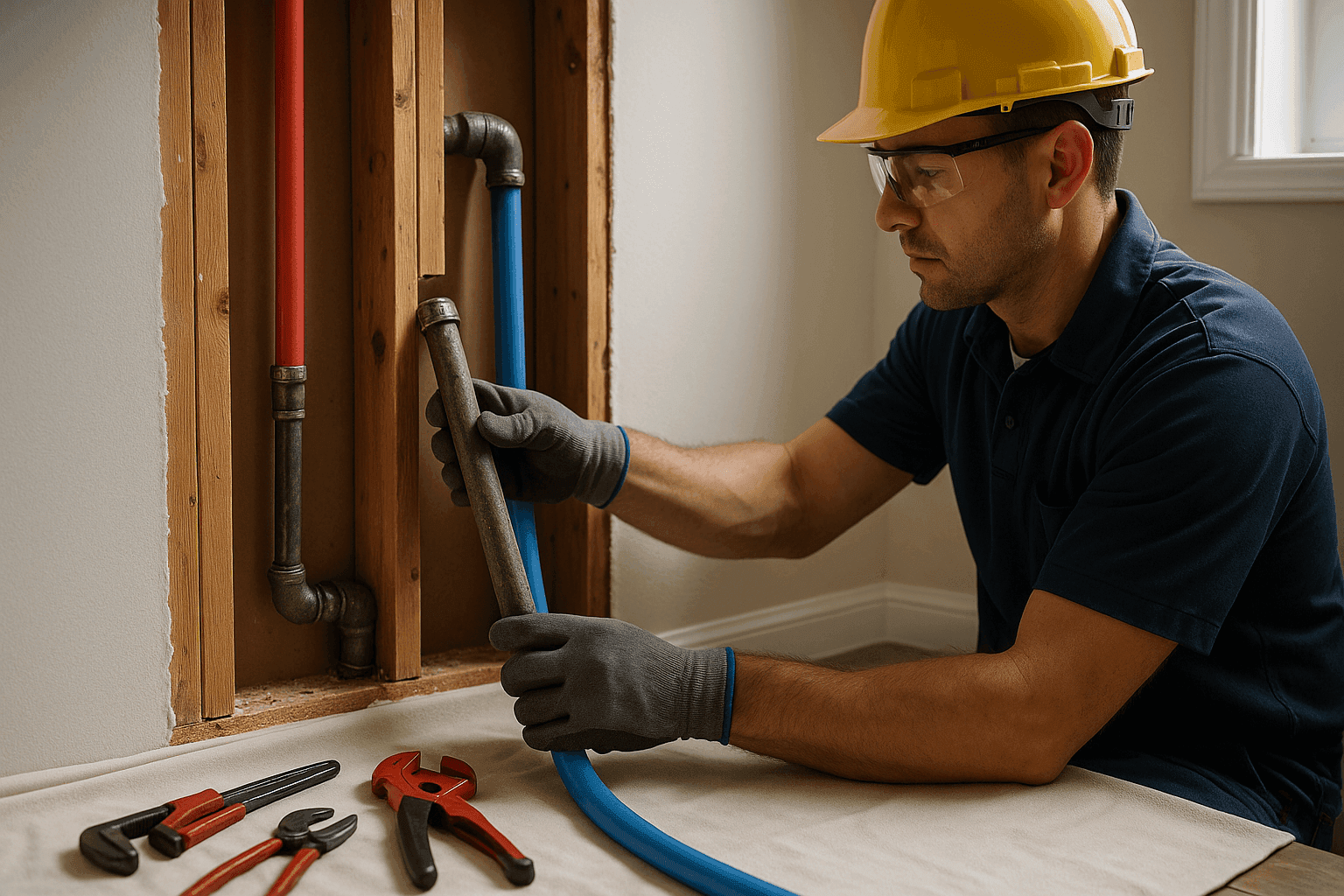
Is the water in your home starting to taste or look a bit off? Maybe you’ve spotted a leak for the second—or third—time this year. Wondering if it’s finally time to bite the bullet and repipe your house? You’re not alone. At Down to Earth Plumbing, we’ve walked through this process with countless homeowners, making sure each step is as smooth (and stress-free) as possible.
Repiping is a big decision. It’s not just about swapping pipes—it’s about protecting your home, your family, and your peace of mind. Let’s break down when repiping is necessary, what the process looks like, and how you can get your life back to normal quickly.
Signs Your Home Needs Repiping 🚨
Not every plumbing hiccup means you need to replace every pipe in your house. But some telltale signs shouldn’t be ignored:
- Age: Most homes built before the 1970s used galvanized steel or cast iron pipes. These typically last 40–60 years, but after that? Rust, corrosion, and buildup can make trouble.
- Recurring Leaks: One leak is a hassle. Two might be coincidence. But when you’re calling for pipe repairs every few months, it’s a red flag.
- Discolored Water: If your tap water looks rusty, brown, or yellow, old pipes may be shedding corrosion and sediment into your supply.
- Low Water Pressure: Clogged or corroded pipes shrink over time, choking your water flow.
- Strange Tastes or Smells: Metallic, earthy, or musty odors can mean it’s time for a closer look.
- Visible Pipe Problems: Flaking metal, greenish stains, or pinhole leaks—especially in basements or crawlspaces—signal trouble.
Before & After:

One homeowner told us:
"Our old pipes burst twice in one year. Since the repiping, everything’s been reliable. The water’s even clearer!" — Rachel S.
If you’re seeing more than one of these issues, it’s time to consider your options.
Pipe Materials Explained
Picking the right pipe is like choosing the best shoes for a long hike. Comfort, durability, and fit for your home all matter. Here’s a quick rundown of the most common piping materials used today:
Copper
- Longevity: Can last 50+ years.
- Benefits: Resists corrosion, handles heat well.
- Downsides: Higher material and labor costs; can corrode in acidic water.
PEX (Cross-linked Polyethylene)
- Longevity: 40–50 years.
- Benefits: Flexible, easy to install (even in tight spaces), great for retrofits. Less likely to burst in freezing weather.
- Downsides: Sensitive to UV light (so not for outdoors), some local code restrictions.
CPVC (Chlorinated Polyvinyl Chloride)
- Longevity: 40–50 years.
- Benefits: Affordable, resists corrosion, safe for drinking water.
- Downsides: Brittle in the cold, not for outdoor use.
Your plumber will help you decide what fits your home, water supply, and budget. Materials must also meet local building codes (see International Plumbing Code, updated every three years).
The Repiping Process Step-by-Step 🛠️
Repiping sounds intimidating. In reality, it’s a series of straightforward steps—handled by pros who know how to keep your home as comfortable as possible:
- Inspection & Planning
- Detailed assessment of your current pipes, water quality, and layout.
- Discuss options, materials, and timeline.
- Preparation
- Protect floors and furniture with drop cloths.
- Shut off water supply (sometimes only for certain zones).
- Cut access points in drywall—targeted, not whole-wall demolition.
- Old Pipe Removal
- Carefully extract old pipes (galvanized, copper, or polybutylene).
- Haul away debris.
- New Pipe Installation
- Route new pipes through walls, ceilings, and floors.
- Secure connections, follow code requirements.
- Testing
- Pressurize system to check for leaks.
- Inspect water flow and quality.
- Restoration
- Patch drywall, repaint, and clean up work areas.
- Final walkthrough to make sure everything works—and you’re satisfied.
"I was worried about the mess. The crew kept everything covered and had all the pipes replaced in three days. It was easier than expected." — Mike P.
Costs and Timelines
Let’s be honest: repiping is an investment. But it’s one that pays off in peace of mind, reliable water, and fewer emergency plumbing calls.
- Timeframe: Most single-family homes can be repiped in 2–5 days, depending on size and layout.
- Cost Factors:
- Home size and number of bathrooms
- Choice of pipe material
- Accessibility (are pipes buried in concrete or easy to reach?)
- Restoration needs (wall repairs, painting)
- Local permit and inspection fees
According to the National Association of Home Builders, labor and materials are the biggest cost drivers. Planning ahead—and knowing what to expect—can help you budget wisely. For Preventative Maintenance near you, regular inspections often catch pipe problems before they turn into emergencies.
How to Minimize Disruption 🏡
No one wants a construction zone in their living room. Here’s how to keep life running smoothly:
- Plan with your plumber: Ask about the daily schedule and which rooms will be affected.
- Clear access: Move furniture and valuables away from work areas.
- Protect pets and kids: Keep them in safe zones during work hours.
- Ask about water shut-off: Some plumbers can keep parts of your home supplied while work happens elsewhere.
- Communicate: If you work from home or have special needs, let your plumber know early.
We’ve found that transparency and planning make all the difference.
Real-World Results: Before & After

"Down to Earth Plumbing handled everything. My kitchen and bathroom pipes were done in just a few days—and they left my place spotless."
— Priya G.
FAQ: Repiping Your Home
How do I know if I need a full repipe or just repairs?
If you’re facing frequent leaks, discolored water, or your home is more than 50 years old with original pipes, a full repipe may be safer and more cost-effective in the long run.
Will I need to leave my house during repiping?
Most families can stay home. You might have short-term water shut-offs, but pros work to keep at least one bathroom and kitchen running whenever possible.
Is repiping covered by insurance?
Home insurance rarely covers the cost of replacing old pipes due to age or corrosion. But sudden damage from burst pipes may be covered—check your policy or ask your agent.
How long will new pipes last?
Modern PEX, copper, and CPVC pipes are designed to last 40–70 years, depending on your water quality and usage.
Local & Seasonal Considerations
If you live in an area with hard water, freezing winters, or shifting soil, your pipes might wear out sooner. Regular Preventative Maintenance near you—like annual inspections and water testing—can catch issues early. The Uniform Plumbing Code (UPC) and local city guidelines also affect material choices and installation practices, so always check with licensed professionals.
Preparing for a Smooth Upgrade
Repiping doesn’t have to mean chaos at home. With careful planning, good communication, and a skilled plumbing team, it’s just another step toward a safer, more comfortable house. Remember: the goal isn’t just new pipes—it’s security, savings, and clean water for years to come.
If you’re seeing the warning signs, don’t wait for an emergency plumbing call. Reach out, get a clear assessment, and take control of your home’s plumbing future.
Call Down to Earth Plumbing now — or reach us anytime at 888-488-8509 .