Why Sewer Line Repairs Can’t Wait: Risks & Solutions
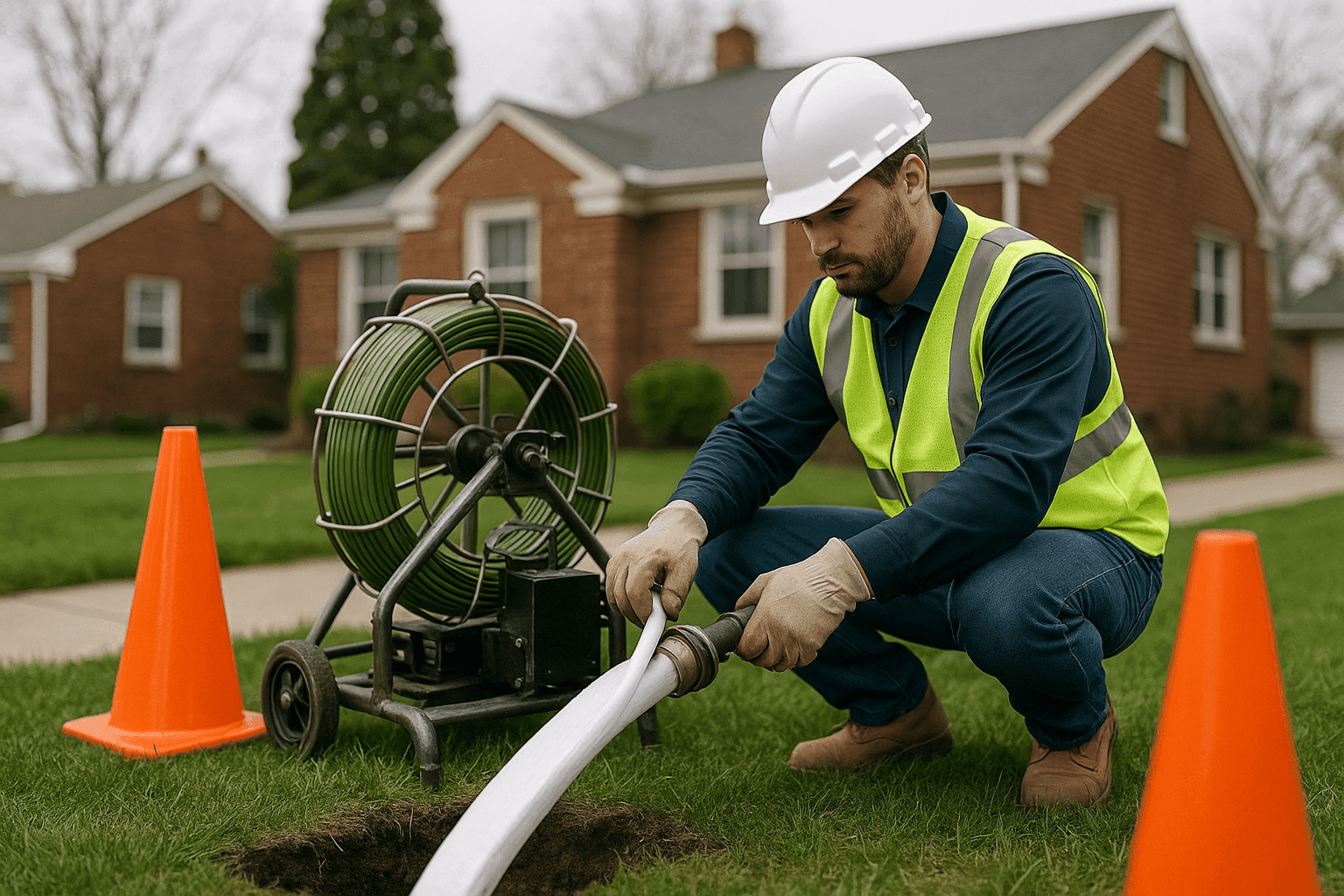
When your home’s sewer line acts up, it’s easy to hope the problem just… goes away. Maybe you notice a slow drain or a faint smell in the basement. You’ve got a busy week. But sewer line problems are like ticking time bombs—they never fix themselves, and the damage only gets worse the longer you wait.
At Down to Earth Plumbing, we’ve seen what happens when small warning signs are ignored. Spoiler: it’s not pretty. With years of hands-on experience in emergency plumbing, we know how fast a minor backup can turn into a costly, messy disaster. Let’s walk through why these repairs can’t wait, what to watch for, and how professional help can save your home (and your peace of mind).
Common Sewer Line Problems 🚨
Sewer lines are out of sight, out of mind—until something goes wrong. Here are the most common culprits we find on emergency calls:
- Tree root intrusion: Roots love sewer pipes. They slip in through tiny cracks and grow, causing blockages or even breaking pipes apart.
- Aging or corroded pipes: Pipes don’t last forever. Older materials like clay or cast iron can crack, corrode, or collapse with time.
- Grease and debris buildup: Pouring grease, wipes, or other debris down drains can cause slow clogs that eventually block the line.
- Shifting soil or ground movement: Heavy rain, drought, or construction nearby can shift your yard and stress buried pipes.
- Improper installation or repairs: Poor pipe joints, sagging sections (called “bellies”), or makeshift fixes can all lead to leaks and blockages down the line.
According to the Environmental Protection Agency (EPA), thousands of U.S. homes experience sewer backups each year, with many cases linked to preventable maintenance issues.
Signs of Trouble: When Your Sewer Line Is Crying for Help
Not sure if you’re at risk? Watch for these warning signs:
1. Slow Drains
One slow drain might just be a minor clog. But if multiple drains in your house are sluggish, it could mean a blockage deeper in the main sewer line.
2. Bad Odors
That unmistakable sewer smell isn’t just unpleasant—it’s a red flag. If you catch whiffs of rotten eggs or musty air in your basement, bathroom, or yard, it’s time to investigate.
3. Soggy or Sunken Spots in the Yard
If a patch of grass is unusually green or always wet—even during dry spells—there may be a leaking sewer line beneath. In some cases, you’ll see sinkholes or indentations forming.
4. Gurgling Toilets or Tubs
Bubbling noises from your toilet or bathtub when you run water elsewhere? That’s air being forced through a blockage. It’s like your pipes are trying to talk to you.
5. Frequent Backups
If you find yourself reaching for the plunger over and over, or if sewage backs up into tubs or basement drains, the main line is likely the issue. This is one of the most urgent signs to call for emergency plumbing.
Health and Safety Risks
Ignoring sewer line issues is more than an inconvenience—it’s a real risk to your family’s health.
- Bacteria and viruses: Raw sewage can contain E. coli, salmonella, hepatitis, and other dangerous pathogens.
- Mold and mildew: Leaks and backups create moist, dark environments where mold thrives, triggering allergies and respiratory problems.
- Structural damage: Water from a broken sewer line can erode foundations, ruin flooring, and rot wooden supports.
- Pest attraction: Rats, insects, and other pests love the easy access and moisture from a sewer leak.
The Centers for Disease Control and Prevention (CDC) warn that exposure to untreated sewage—even for short periods—can cause serious illness. Don’t take chances with your health.
Trenchless vs. Traditional Repairs: Which Is Right for You?
When you call Down to Earth Plumbing for sewer line repair, we’ll assess the problem and recommend the best solution. There are two main approaches:
Traditional (Open-Trench) Repairs
- Requires digging up the yard to reach the damaged pipe.
- Best for collapsed pipes or major replacements.
- More disruptive, longer recovery time for landscaping.
Trenchless Repairs
- Uses advanced equipment to repair or replace pipes with minimal digging.
- Methods include pipe bursting (replacing old pipe with new) and pipe lining (creating a new pipe inside the old one).
- Faster, less disruptive, often more cost-effective for many homes.
Before and After Repair Photos:

Before: Blocked, cracked sewer line with tree roots and debris.

After: Clean, structurally sound pipe restored with trenchless lining.
What to Expect from a Repair Visit 🛠️
Not sure what happens when you call for help? Here’s how Down to Earth Plumbing handles sewer line emergencies:
- Rapid assessment: We arrive promptly, listen to your concerns, and inspect the situation inside and out.
- Video inspection: Using a specialized sewer camera, we pinpoint the exact problem and location.
- Clear explanation: We show you the footage and discuss your options, including repair methods and expected outcomes.
- Repair plan: Once you approve, we get to work—whether that means trenchless lining, spot repair, or full replacement.
- Thorough cleanup: We restore your property as much as possible and test all drains before leaving.
We follow all local plumbing codes and safety guidelines outlined by the International Association of Plumbing and Mechanical Officials (IAPMO).
Local Stats: How Common Are Sewer Backups?
Sewer line issues are more common than most people think. Recent studies from the American Society of Civil Engineers estimate that:
- Nearly 500,000 sewer backups occur annually in the U.S.
- Blockages caused by tree roots account for nearly half of all residential main line problems.
- Most backups happen during spring and fall, when rainfall and ground saturation are highest.
In many communities, aging infrastructure and growing tree roots make these problems more likely, especially in neighborhoods with older homes.
Prevention and Maintenance: Stop Problems Before They Start
A little attention goes a long way. Here’s how to keep your sewer line healthy:
- Schedule regular sewer line inspections. Video inspections can reveal developing issues before they escalate. Look for “Preventative Maintenance near you.”
- Dispose wisely. Never flush wipes, diapers, feminine products, or grease.
- Plant trees carefully. Avoid planting large trees near your sewer line. Roots seek out moisture and can break into pipes.
- Fix small leaks fast. Even a minor drip can signal a bigger problem down the line.
The National Association of Home Builders recommends annual checks, especially for homes over 20 years old.
Costs & Time Factors: What Affects Sewer Line Repair?
Every repair is different, but here’s what usually impacts the scope and expense:
- Type of repair: Trenchless options are often faster, but not always possible for severe collapses.
- Location: Pipes under driveways, patios, or large trees can require extra work.
- Extent of damage: A single crack costs less to fix than a total pipe collapse.
- Access: Easier access means lower labor costs and quicker repairs.
Most repairs can be completed in one to three days, depending on conditions. Emergency plumbing teams, like Down to Earth Plumbing, prioritize urgent jobs and aim for same-day response when possible.
When It’s an Emergency
Wondering if you can wait? If you notice these signs, don’t delay:
- Sewage backing up into tubs, sinks, or floors
- Strong, persistent sewer odors inside the home
- Multiple drains clogging at once
- Sudden appearance of soggy or sunken areas in your yard
These aren’t just annoyances. They’re signals of a potentially hazardous situation. Calling for emergency plumbing right away can prevent thousands in property damage and protect your family’s health.
FAQ: Sewer Line Repair Basics
How do I know if my main sewer line is clogged?
If several drains slow down at once or you hear gurgling when flushing, the main line is likely the culprit.
Is trenchless repair always possible?
Not always. Severely collapsed or misaligned pipes sometimes require traditional digging.
Will my yard be ruined?
Trenchless repairs minimize digging, but some access points may be needed. We’ll explain your options up front.
Is sewer work covered by insurance?
Some policies cover “sudden and accidental” damage. Chronic neglect or tree root invasion is often excluded. Check with your provider for details.
Local/Seasonal Considerations 🌧️
Seasonal weather plays a big role in sewer line problems. Spring rains and fall leaf buildup can overload older systems, while winter freezes may crack aging pipes. If your home is in a flood-prone or tree-heavy area, consider more frequent inspections and preventative maintenance.
The Bottom Line: Don’t Wait—Act Now
Sewer line trouble won’t disappear on its own. Acting quickly prevents bigger headaches and protects your home’s value, safety, and comfort. At Down to Earth Plumbing, we’re here 24/7 for emergency plumbing, leak detection, and Preventative Maintenance near you—no matter the hour.
Call Down to Earth Plumbing now — or reach us anytime at 888-488-8509 .