Sink Repair or Replace? A Homeowner’s Decision Guide
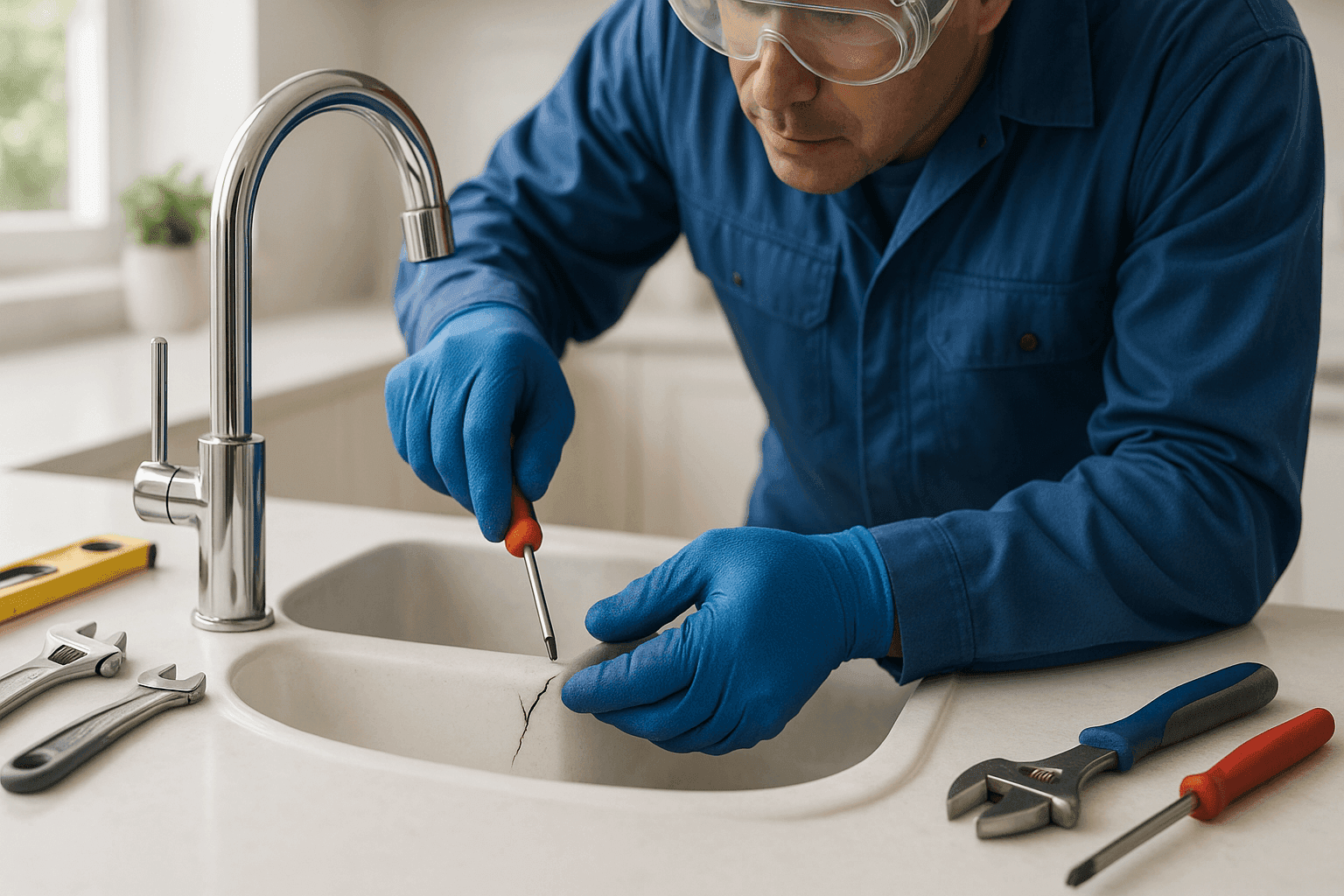
Is your kitchen or bathroom sink causing headaches? A slow drip at midnight. A growing crack that seems to stretch a little more each day. We know how these small annoyances can spiral into urgent plumbing problems. At Down to Earth Plumbing, we help homeowners every day—sometimes in the middle of the night—with these exact dilemmas.
Should you patch up that old sink, or is it finally time to upgrade? Making the right call isn’t always obvious. This guide will help you weigh the signs, compare costs, and make a confident decision, whether you’re tackling a minor leak or facing a water emergency.
Common Sink Problems
Most sinks show their age in familiar ways. Here are the usual suspects:
- Leaky faucets and joints: That incessant drip is more than annoying. It can waste gallons of water over time and hike up your utility bill.
- Cracks and chips: Porcelain and ceramic sinks are prone to surface damage. Small cracks can grow, leading to leaks or even sudden breaks.
- Persistent stains: Hard water, rust, or old metals can leave unsightly stains that are tough to clean, making your sink look perpetually dirty.
- Low water pressure: When your sink sputters or trickles, it could be a clogged aerator, pipe buildup, or a symptom of bigger plumbing issues.
- Clogged drains: Hair, grease, soap, and food scraps can turn your sink into a slow-draining swamp.
- Loose or wobbly fixtures: Handles, faucets, or sprayers that move around can signal worn mounting hardware or hidden leaks.
Each problem brings its own set of decisions. Is it a quick fix, or a sign your sink is ready for retirement? 🛠️
Cost Comparison: Repair vs. Replacement
Let’s talk dollars and sense. Homeowners often ask, “Is it worth fixing, or should I just get a new one?” Here’s what to consider:
- Repair: Fixing a leaky faucet, tightening loose hardware, or unclogging a drain is usually affordable. Many small jobs can be handled in an hour or two. But persistent leaks, deep cracks, or repeated clogs may signal a larger problem beneath the surface.
- Replacement: Installing a new sink is an upfront investment. Costs vary by material—porcelain, stainless steel, granite composite—and by labor. But you also get peace of mind, updated style, and sometimes better water efficiency.
Rule of thumb: If repairs cost more than half the price of a new sink, or if problems keep coming back, replacement is often the smarter long-term choice.
When to Upgrade Your Sink
Sometimes, a fresh start is best. Here’s when you should seriously consider swapping out your sink:
- Major cracks or leaks: If water is pooling underneath or the sink is splitting, replacement is usually safer.
- Mold, mildew, or foul odors: These can indicate hidden water damage or rot in cabinets and countertops.
- Frequent clogs or slow drains: After several visits from emergency plumbing pros, you might have bigger pipe or drain issues.
- Outdated fixtures or style: Remodeling your kitchen or bathroom? A new sink can be the finishing touch.
- Safety concerns: If your current sink setup doesn’t meet current plumbing codes (see the International Plumbing Code for reference), upgrading ensures your home is safe and up to standard.
Image: New sink installation in a bright, modern kitchen

Choosing the Right Pro
Even if you’re handy, some sink issues need more than a wrench and elbow grease. Here’s what to consider:
- Certification and experience: Look for licensed plumbers who keep up with code updates and safety guidelines.
- Emergency plumbing availability: Sudden leaks can’t always wait for business hours.
- Attention to preventative maintenance: Professionals who spot issues before they escalate save you money in the long run.
- Clear communication: Choose a pro who explains options in plain language, not plumbing jargon.
Practical Tips Before You Decide
- Check under the sink: Look for signs of water damage, mold, or loose fittings.
- Test water pressure: Low flow could mean a simple aerator clean—or a bigger problem.
- Listen for sounds: Gurgling or whistling can signal air in pipes or hidden blockages.
- Evaluate your needs: Do you want a quick fix, or a long-term upgrade?
Quick Safety Checklist ✅
- Turn off the water supply before attempting any repairs.
- Use protective gloves to avoid cuts or contact with mold.
- Don’t use harsh chemicals for clogs—these can damage pipes.
- Check for electrical outlets near sinks before working to avoid shock.
- Consult local plumbing codes if you’re planning a replacement.
DIY vs. Call a Pro
Some sink issues can be solved with a trusty plunger or wrench. But sometimes, calling a licensed plumber is the safest (and fastest) route.
DIY:
- Unclogging minor blockages
- Replacing faucet washers
- Cleaning aerators
Call a Pro:
- Major leaks or water pooling
- Cracks in porcelain or ceramic
- Persistent low water pressure
- Installing a new sink or rerouting pipes
- Emergency plumbing situations
If you’re ever unsure, err on the side of caution. Water can cause damage in the blink of an eye.
What Pros Do On Arrival
When a professional plumber arrives, here’s what you can expect:
- Assessment: They’ll inspect visible and hidden components—faucets, pipes, seals, and under-sink connections.
- Leak detection: Using specialized tools, they can spot leaks you might miss.
- Code check: They’ll ensure your setup meets local plumbing codes (see guidelines from the Plumbing-Heating-Cooling Contractors Association).
- Estimate and advice: You’ll get a clear breakdown of your options—repair or replace—based on safety, cost, and your home’s needs.
Prevention & Maintenance
A little care goes a long way! Here’s how to keep your sink running smoothly:
- Clean drains monthly: Use a mixture of baking soda and vinegar, followed by hot water.
- Don’t pour grease or coffee grounds down the drain.
- Wipe down sink surfaces to prevent staining and buildup.
- Inspect pipes and fittings regularly for signs of moisture or corrosion.
- Schedule preventative maintenance near you annually to catch issues early.
Costs & Time Factors
- Repair: Minor fixes like tightening a fitting or unclogging a drain can take 30–90 minutes.
- Replacement: Installing a new sink typically takes 2–4 hours, depending on complexity.
- Parts and labor: Material, finish, and location of your sink all affect cost. Stainless steel is often less expensive than stone or farmhouse sinks.
- Hidden issues: Water damage, outdated plumbing, or improper installation can add time and expense.
Always choose quality parts and professional installation. Shortcuts now can mean big headaches later.
When It’s an Emergency
Sometimes, you can’t wait. Call for emergency plumbing if:
- Water is flooding cabinets or floors
- You can’t shut off the water supply
- There’s a risk of electrical shock near water
- Sewage odors or backup are present
Prompt action can save your home from costly damage.
FAQ
How do I know if a sink crack is serious?
If the crack leaks or grows, it’s time to replace. Cosmetic chips can sometimes be sealed, but structural cracks are risky.
Can I replace just the faucet or do I need a new sink?
Often, the faucet can be swapped without replacing the sink—unless the sink itself is damaged or incompatible with new fixtures.
Why does my sink smell bad?
Odors often mean a clog or trapped debris. If regular cleaning doesn’t fix it, call a plumber to check for deeper blockages or venting issues.
How often should I check under my sink for leaks?
A quick monthly check can catch small leaks before they become major problems.
Local/Seasonal Considerations
Sink troubles change with the seasons. In colder months, pipes under kitchen sinks are more prone to freezing—especially in older homes. Keep cabinet doors open during freezes and insulate exposed pipes. In spring and summer, increased use (think kids home from school, backyard BBQs) can strain kitchen plumbing. Schedule preventative maintenance near you at least once a year, and more often if you have an older home or frequent guests.
Ready to fix that leaky sink—or finally treat yourself to a new one? Don’t wait for a small leak to become an emergency.
Call Down to Earth Plumbing now — or reach us anytime at 888-488-8509 .