Solving Low Water Pressure: Causes and Quick Fixes
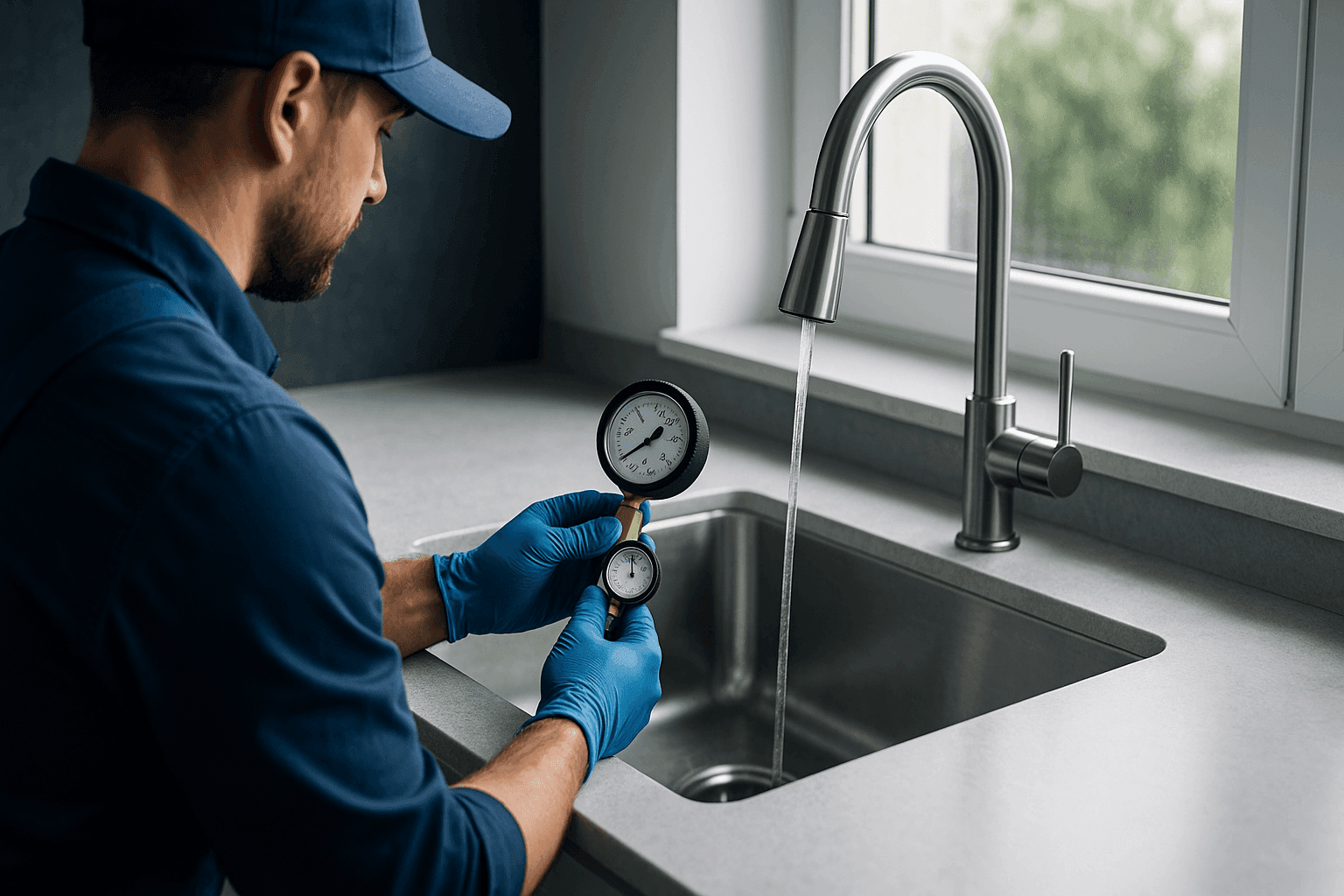
Is your morning shower barely more than a drizzle? Maybe your washing machine takes forever to fill, or your kitchen tap just won’t deliver the pressure you need. Few things grind daily life to a halt faster than low water pressure. And when it’s sudden or unexplained, it can leave you scrambling for emergency plumbing help.
At Down to Earth Plumbing, we’ve seen it all—from sneaky leaks to clogs hiding deep in the pipes. Here’s what you need to know to find the cause, try safe fixes, and decide when to bring in the pros.
Most Common Causes of Low Pressure
Low water pressure doesn’t just show up for no reason. Like a mystery novel, there are clues. Let’s break down the usual suspects:
1. Municipal Water Supply Issues
If your whole neighborhood is grumbling about weak showers, the problem might not even be in your house. Cities sometimes reduce pressure for repairs, droughts, or system upgrades. Check your local water utility for notices or ask your neighbors if they’re noticing the same thing.
Diagram: City Water vs. Private Well Supply

- City Water: Pressure is regulated by municipal pumps and valves.
- Private Well: Pressure comes from your well pump and pressure tank.
2. Hidden Leaks
A pipe leak is like a hole in your garden hose—water escapes before it gets to your faucet. Small leaks might not leave puddles but can still sap pressure. Look for:
- Damp spots on walls or ceilings.
- Unexplained increases in your water bill.
- Moldy smells or stains.
3. Pipe Clogs and Build-Up
Over time, minerals (like calcium) and rust can choke narrow pipes, especially in older homes. This build-up acts like cholesterol in your plumbing “arteries”—the water can’t get through.
- Symptoms: Good pressure at some taps, weak at others.
- Common locations: Showerheads, aerators, and older galvanized pipes.
4. Pressure Regulator or Valve Issues
Most homes have a pressure reducing valve (PRV) where the main line enters. If it fails or is misadjusted, your whole system suffers.
Diagram: Pressure Regulator Location

- Look for: A bell-shaped device near your shut-off valve.
- If stuck: Pressure drops (or sometimes spikes).
5. Shut-Off Valves Not Fully Open
Sometimes, after repairs or maintenance, a main or fixture shut-off valve isn’t fully reopened. Even a partially closed valve can strangle your water flow.
DIY Checks and Adjustments 🛠️
Before you panic or call for emergency plumbing, try these basic checks:
- Ask your neighbors if they’re having issues. If yes, it’s likely a municipal problem.
- Inspect all faucets: Is the pressure low everywhere or just in one spot?
- Clean your aerators and showerheads: Mineral build-up here is common. Unscrew, soak in vinegar, scrub with a brush.
- Check your main shut-off valve: It should be fully open (handle parallel to the pipe).
- Inspect visible pipes: Any dampness or corrosion could be a leaking culprit.
- Look for a PRV: If you spot one, see if it’s adjustable (but don’t force it).
Note: If you have a private well, check the pressure tank gauge. Standard home pressure is 40–60 psi.
Upgrading Fixtures for Better Pressure 🚿
Sometimes, old fixtures are the real bottleneck. Here’s what can help:
- Replace clogged aerators and showerheads: Modern “low-flow” heads can actually boost pressure by restricting less than old, clogged fixtures.
- Install pressure-boosting showerheads: These are designed to maximize flow even at lower pressure.
- Upgrade pipes: If you have aging galvanized steel, consider copper or PEX repiping.
Older homes, in particular, benefit from fixture upgrades. Over time, even the best fixtures fill with mineral deposits and lose effectiveness.
Tip: Always check that any new fixture meets Australian Standards (AS/NZS 3500) or local code for safety and water efficiency.
When to Involve a Plumber 🧰
If you’ve tried the basics and pressure is still low, it’s time to call in a licensed plumber—especially if you notice:
- Multiple slow fixtures, even after cleaning.
- Signs of leaks you can’t see or reach.
- Water pooling outside or under the house.
- Water meter spinning when no water is being used.
- Sudden, severe drops in pressure (could signal a burst or serious blockage).
Down to Earth Plumbing offers emergency plumbing help 24/7, so you’re never left stranded.
Practical Tips for Pinpointing Pressure Problems
- Check at different times: Pressure can dip during peak usage (morning, after work).
- Monitor your water meter: Shut off all fixtures, then watch if it still moves—this means a hidden leak.
- Sump pump or backflow devices involved? These can create pressure drops if malfunctioning.
If you’re in doubt, don’t risk it. Water damage escalates fast, especially with leaks behind walls or under floors.
FAQ: Low Water Pressure
Why is my shower weak but the kitchen tap is fine?
Usually, it’s a clogged showerhead or pipe leading to the bathroom. Try unscrewing and cleaning the showerhead first.
Can I adjust my home’s water pressure myself?
If you have a pressure regulator, you can sometimes adjust it carefully. But forcing the adjustment can cause leaks or damage—best to ask a plumber if unsure.
Is low water pressure dangerous?
Not always, but it can signal leaks (which cause structural damage) or backflow risks (which can contaminate your water). Both are serious if left unattended.
How can I prevent low pressure in the future?
Regular Preventative Maintenance near you—like annual inspections, drain cleaning, and leak detection—keeps your plumbing healthy and efficient.
Local and Seasonal Considerations 🌦️
- Cold weather: Pipes can freeze and crack, especially in uninsulated spaces, leading to sudden loss of pressure.
- Drought or municipal repairs: Your city may lower pressure to conserve water or repair lines—watch for official notices.
- Hard water areas: Mineral build-up happens faster, so schedule more frequent aerator cleaning and consider water filtration systems.
Final Thoughts: Don’t Let Low Pressure Get You Down
Low water pressure is more than an annoyance. It can be a warning sign for hidden leaks, aging pipes, or failing fixtures. Try these steps first, but if you’re stuck—or if water is gushing where it shouldn’t—help is always close at hand.
Call Down to Earth Plumbing now — or reach us anytime at 888-488-8509 .