Emergency Plumbing Guide: What to Do Before Help Arrives
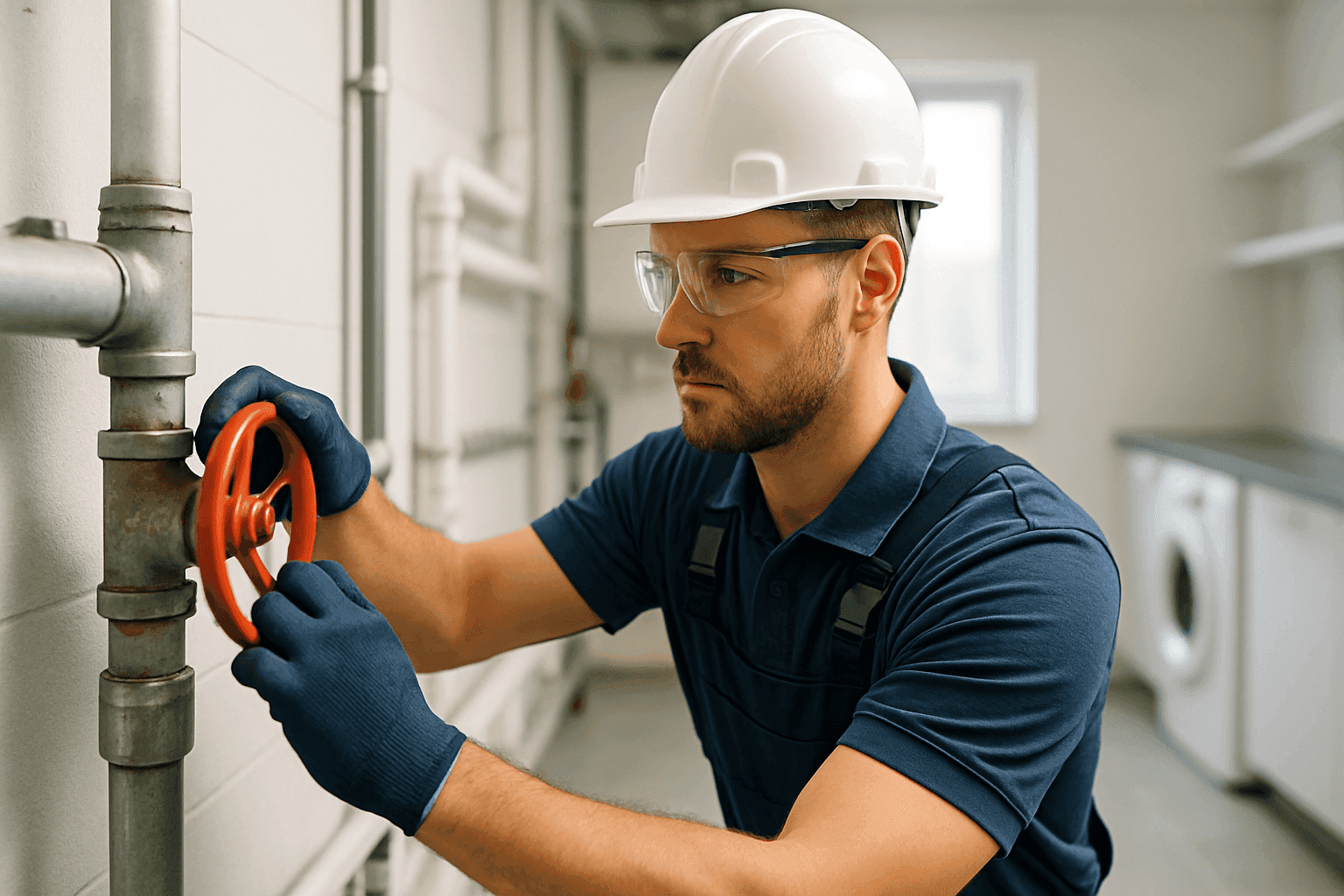
When water starts pouring where it shouldn’t, panic is natural. Whether you’re at home or managing a business, a plumbing disaster never waits for a good time—middle of the night, holidays, or right before a big event. At Down To Earth Plumbing, we’ve seen it all. Here’s how to keep a cool head, protect your property, and get the right help—fast.
Emergencies can strike anyone. What you do in those first minutes can make all the difference. This guide gives you clear steps to follow until a pro arrives.
Identifying the Problem
First, pause. Look around—what’s actually happening?
- Burst Pipe: Water spraying or flooding from a pipe, often after a freeze or impact.
- Overflowing Toilet: Water rising fast, threatening to spill over.
- Major Leak: Water pooling under sinks, appliances, or from ceilings.
- Water Heater Failure: No hot water, strange noises, leaks, or visible rust.
- Gas Smell: Rotten egg odor near gas appliances or lines (act immediately—see below).
Don’t worry if you’re not sure which pipe or fixture is to blame. The key is to spot where water (or gas) is escaping and stop it from spreading.
Residential vs. Commercial
- Homes: Leaks often show up in kitchens, bathrooms, basements, or outdoor spigots.
- Businesses: Watch for leaks in restrooms, kitchens, mechanical rooms, or anywhere water lines run.
Immediate Safety Measures 🚨
Your safety comes before property.
- Turn Off Electricity: If water is near outlets or appliances, shut power at the breaker—don’t touch wet cords.
- Clear the Area: Get kids, pets, and anyone not helping to a dry spot.
- Stop the Water Flow: Head for the nearest shut-off valve (see below).
- Open Windows/Doors: If there’s a gas smell, ventilate fast and evacuate the building.
- Wear Shoes: Water may hide sharp debris or even electrical hazards.
Do NOT use electrical appliances in standing water. Never light a match or use electronics if you suspect a gas leak.
How to Shut Off Water and Gas
Knowing where to turn off your main valves is like knowing where your fire extinguisher is—essential.
Water Shut-Off
- Main Valve: Usually found in basements, garages, utility closets, or outside near the street. Turn clockwise (righty-tighty) to close.
- Individual Fixtures: Many sinks, toilets, and appliances have their own valve below or behind—twist to shut.
- Commercial Buildings: Locate building-wide shutoff in mechanical or maintenance rooms. Some sites have labeled maps—use them!
Gas Shut-Off
- Homeowners: The main valve is at your gas meter. Use a wrench to turn 90 degrees (perpendicular to the pipe = off).
- Businesses: Contact building maintenance or utility provider if you’re unsure. If you smell gas, evacuate immediately and call emergency services.
Tip: Practice finding these valves before an emergency. Mark them with a tag or bright tape for quick access.
Temporary Fixes You Can Do 🛠️
You can’t fix everything, but a few quick moves can buy precious time.
- Buckets & Towels: Catch dripping water and block puddles from spreading.
- Plunger for Overflow: Use a plunger to stop an overflowing toilet—don’t keep flushing!
- Duct Tape or Pipe Wraps: For small leaks, tightly wrap the pipe as a stopgap. It won’t last, but it slows the flow.
- Shut Door to Leaky Room: Contain the water to one area.
- Move Belongings: Get electronics, papers, and valuables to safety.
What NOT to Do:
- Don’t use chemical drain cleaners after a backup—they can make things worse.
- Don’t try to thaw frozen pipes with an open flame.
- Don’t attempt gas repairs yourself.
When to Call a Pro
Some jobs simply aren’t safe or possible without the right tools and training. Call for emergency plumbing help if:
- The leak won’t stop after shutting off valves.
- Water is near electrical panels or outlets.
- There’s any sign of sewage backup.
- You smell gas or suspect a gas line issue.
- Multiple drains clog at once (may signal a main line blockage).
- You cannot find the source or shutoff.
For “Leak Repair near you” or after-hours emergencies, make sure you clearly describe what you see, hear, and smell when you call. This helps plumbers come prepared.
What Pros Do On Arrival
When Down To Earth Plumbing arrives, here’s what you can expect:
- Rapid Assessment: Identifying the exact source and severity.
- Safety Check: Ensuring water, gas, and electric hazards are controlled.
- Leak Isolation: Using professional tools to locate hidden leaks (acoustic detectors, infrared cameras).
- Repairs or Temporary Solutions: From patching pipes to clearing drains or capping gas lines.
- Cleanup Advice: Tips for drying out and preventing mold.
We follow safety standards from organizations like the International Association of Plumbing & Mechanical Officials (IAPMO) and local codes.
Prevention & Maintenance 🏠
A little prep goes a long way. Here’s how to keep emergencies rare:
- Regular Inspections: Check for drips, corrosion, or stains under sinks and around fixtures.
- Know Your Shut-Offs: Everyone in your home or business should know valve locations.
- Insulate Pipes: Protect pipes from freezing temps—especially in unheated spaces.
- Schedule Backflow Testing: Prevent contaminated water from sneaking in.
- Plan for Absences: Shut off water if you’ll be away for an extended period.
Commercial properties: set up a written emergency plumbing plan and train staff.
Authoritative resources for more: National Fire Protection Association (NFPA) for gas safety, EPA for backflow and water quality tips.
Costs & Time Factors
Emergency plumbing isn’t one-size-fits-all. Here’s what affects timing and costs:
- Severity: A small leak is quicker (and cheaper) than a burst main.
- Time of Day: Nights, weekends, and holidays may mean longer wait or higher rates.
- Accessibility: Hidden pipes or underground lines take longer to reach.
- Parts Needed: Special parts may not be available immediately—temporary fixes may be used until a follow-up.
Average emergency repairs can range from under an hour to several hours, depending on complexity.
When It’s an Emergency
Wondering if you should call right now? It’s an emergency if:
- Water is spreading fast or won’t stop.
- Sewage is backing up into sinks or toilets.
- There’s any sign of gas leak.
- You’ve lost all water or hot water unexpectedly.
- You can’t isolate or contain the problem.
Waiting can mean more damage, higher repair costs, and bigger headaches.
FAQ
How do I know if my leak is serious?
If you cannot stop the water flow, see bulging ceilings, or hear hissing from pipes—treat it as urgent.
Can I use my water heater if it’s leaking?
No. Turn it off at the breaker (electric) or gas valve (gas units) and leave repairs to a professional.
What should I tell the plumber when I call?
Describe what you see, where the issue is, and any steps you’ve taken (e.g., shut off main). Mention if power, gas, or sewer is involved.
Do I need to leave my building for all emergencies?
Evacuate if there’s a gas smell, sewage backup, or electrical hazard. For leaks only, stay clear of wet areas.
Local & Seasonal Considerations ❄️
- Storms & Flooding: Heavy rain can overwhelm sump pumps and drains—clear gutters and check your pump before storms.
- Freezing Weather: Insulate pipes, especially in garages, crawlspaces, and along exterior walls.
- Holidays & After-Hours: Plumbers may take longer to arrive. Have a backup plan—know your shut-offs and prep temporary fixes.
For businesses, consider setting up emergency contacts and posting valve locations for quick response.
Emergencies never wait. But you don’t have to face them alone.
Call Down To Earth Plumbing now — or reach us anytime at 888-488-8509 .