How to Detect and Prevent Hidden Plumbing Leaks Year-Round
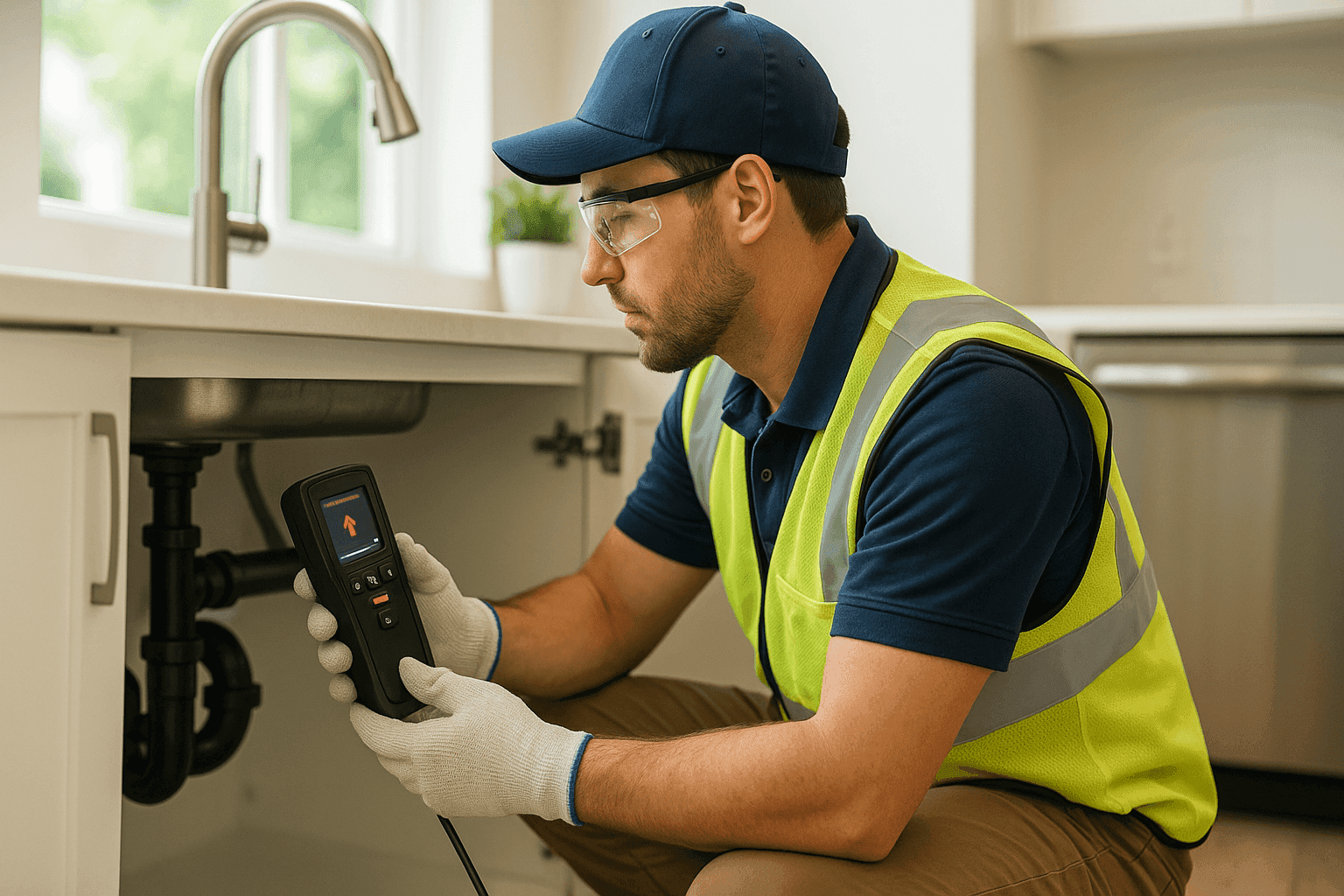
It starts with a drip. Maybe you hear it, maybe you don’t. But hidden plumbing leaks work behind the scenes, quietly causing costly water damage. Whether you own a family home or manage a busy office, knowing how to spot and prevent these leaks could save you money, stress, and disruption.
At Down To Earth Plumbing, we’ve seen firsthand how even the smallest undetected leak can snowball into a major emergency. This guide will walk you through the telltale signs, prevention steps, and when to call for emergency plumbing help—no matter the season.
Why Hidden Leaks Matter 🕳️
Hidden leaks are like termites in your walls. You rarely see them, but the damage keeps growing. Over time, a single slow drip can warp floorboards, stain ceilings, and weaken your building’s foundation. For businesses, leaks can also disrupt operations or make you fail health and safety inspections.
Unchecked leaks can:
- Raise your water bills
- Breed mold and mildew (bad for health)
- Cause electrical hazards
- Damage valuable property or inventory
- Lead to expensive repairs
According to the Environmental Protection Agency (EPA), an average household’s leaks can waste nearly 10,000 gallons of water each year. That’s enough to fill a backyard swimming pool! Now imagine the risk in a multi-unit building or office block.
Common Signs of a Hidden Leak
Hidden leaks rarely announce themselves with a splash. More often, they whisper for months before causing chaos. Here’s what to watch for:
- Unusual water bills: A sudden spike with no obvious reason is a big red flag.
- Musty odors: Persistent damp, earthy smells signal water where it shouldn’t be.
- Stained walls or ceilings: Watch for bubbling paint, soft patches, or mysterious discoloration.
- Warped or buckling floors: Water beneath surfaces can cause them to rise or sag.
- Mold or mildew growth: Especially in places that should stay dry.
- Low water pressure: A leak in the line can mean less water at your tap.
- Running water sounds: If you hear faint dripping or flowing with all faucets off, something’s up.
- Cracks in foundation or walls: Water can erode and shift your building’s structure over time.
In commercial settings, keep an eye on rarely used bathrooms, utility closets, and mechanical rooms—these are common leak hotspots.
DIY Leak Checks
Taking a few minutes each month can help you catch leaks before they turn disastrous. Here’s how to check for trouble on your own:
Meter Reading
- Turn off all water-using appliances and taps in your home or building.
- Watch your water meter. If it keeps moving, water is flowing somewhere it shouldn’t.
- Some meters have a “leak indicator”—a small dial that spins with even the tiniest flow.
Visual Inspection
- Look under sinks, around toilets, and behind appliances for dampness or pooling water.
- Check ceilings and walls for stains or bubbling paint.
- Inspect outdoor areas for soggy patches or unexplained puddles.
Listen
- At night or during quiet hours, listen for the sound of dripping or running water behind walls or under floors.
Toilet Test
- Add a few drops of food coloring to your toilet tank. Wait 15–30 minutes without flushing. If color appears in the bowl, you’ve got a silent leak.
DIY checks are helpful, but they’re not foolproof. Subtle leaks can hide deep within walls or underground.
Technology Pros Use
Sometimes, finding a leak is like searching for a needle in a haystack. That’s where professional tools come in:
Acoustic Sensors
Special listening devices amplify the sound of water escaping pipes. Plumbers use them to pinpoint leaks behind drywall or under concrete—without tearing up your property.
Thermal Imaging
Infrared cameras detect temperature changes caused by cold water leaking from pipes. This helps pros “see” leaks hidden in walls, ceilings, or even under floors.
Moisture Meters
These handheld tools measure how damp a surface is. High moisture readings identify leaks before visible damage appears.
Plumbing codes and safety standards (like those from the International Association of Plumbing and Mechanical Officials—IAMPO) guide the safe use of these tools to avoid damaging property or endangering occupants.
Seasonal Leak Risks
Every season brings unique challenges for pipes and plumbing.
Winter: Freeze-Thaw Dangers ❄️
When temperatures drop, water inside pipes can freeze and expand. This pressure can crack pipes—especially in unheated basements, crawl spaces, or exterior walls.
Prevention tip: Insulate exposed pipes and keep a trickle of water running during severe cold snaps.
Spring: Heavy Rain & Flooding
Sudden downpours can oversaturate the ground, pushing water into basements or through sewer lines.
Prevention tip: Ensure sump pumps are working, and check that gutter downspouts carry water away from your foundation.
Summer: Extra Usage
More showers, laundry, and outdoor watering can strain aging pipes or expose weak spots.
Prevention tip: Keep an eye out for drops in pressure or signs of leaks after heavy use.
Fall: Holiday Crowds 🎉
More people mean more flushing, washing, and cooking—pushing plumbing systems to their limits.
Prevention tip: Schedule a plumbing checkup before the holidays to catch leaks or clogs early.
Actionable Prevention Steps
A stitch in time really does save nine—especially with plumbing.
- Schedule annual inspections: Have a pro look over your pipes, joints, and fixtures.
- Monitor water pressure: High pressure can strain pipes and cause leaks. Install a pressure regulator if needed.
- Check seals and joints: Replace worn washers or cracked caulking around sinks, tubs, and toilets.
- Clear drains regularly: Blockages can force water to leak from joints and seams.
- Maintain appliances: Replace hoses on washing machines and dishwashers every 3–5 years.
- Know your shut-off valve location: In an emergency, quick action can prevent major damage.
For businesses, keep records of regular maintenance and encourage employees to report leaks or dampness immediately.
When to Call for Emergency Plumbing
Some leaks can wait for a scheduled repair. Others can’t.
Call for emergency plumbing if:
- Water is gushing or pooling rapidly
- You smell gas (call emergency services immediately)
- There's a major sewer backup
- You can't locate or stop the leak
Acting quickly can protect your property, save thousands in repairs, and keep your family or staff safe.
Frequently Asked Questions
What’s the most common cause of hidden leaks?
Aging pipes, worn seals, and loose joints are the usual suspects. In older buildings, corrosion and shifting foundations are also common triggers.
Can a leak go away on its own?
Unfortunately, no. Leaks almost always get worse with time, not better.
Are hidden leaks covered by insurance?
Some policies cover sudden leaks, but not damage due to neglect. Check your policy and keep records of maintenance.
How long does a leak repair take?
Small leaks can often be fixed in an hour or two. Larger leaks—especially those inside walls or underground—may take a day or more to locate and repair.
Local and Seasonal Considerations
If your building is in an area prone to freezing winters or heavy rainfall, you’ll need extra vigilance. In older neighborhoods, original pipes may be more vulnerable. Commercial properties with complex plumbing (like restaurants or hotels) should schedule more frequent inspections.
Follow local plumbing codes and safety guidelines, such as those from the Plumbing-Heating-Cooling Contractors Association (PHCC), to ensure safe repairs and ongoing maintenance.
Hidden leaks can feel like a guessing game. But with a little awareness and regular upkeep, you can keep water where it belongs—all year long. If you spot signs of trouble or need emergency plumbing, don’t wait.
Call Down To Earth Plumbing now — or reach us anytime at 888-488-8509 .