Plumbing Maintenance Checklist: Prevent Costly Repairs All Year
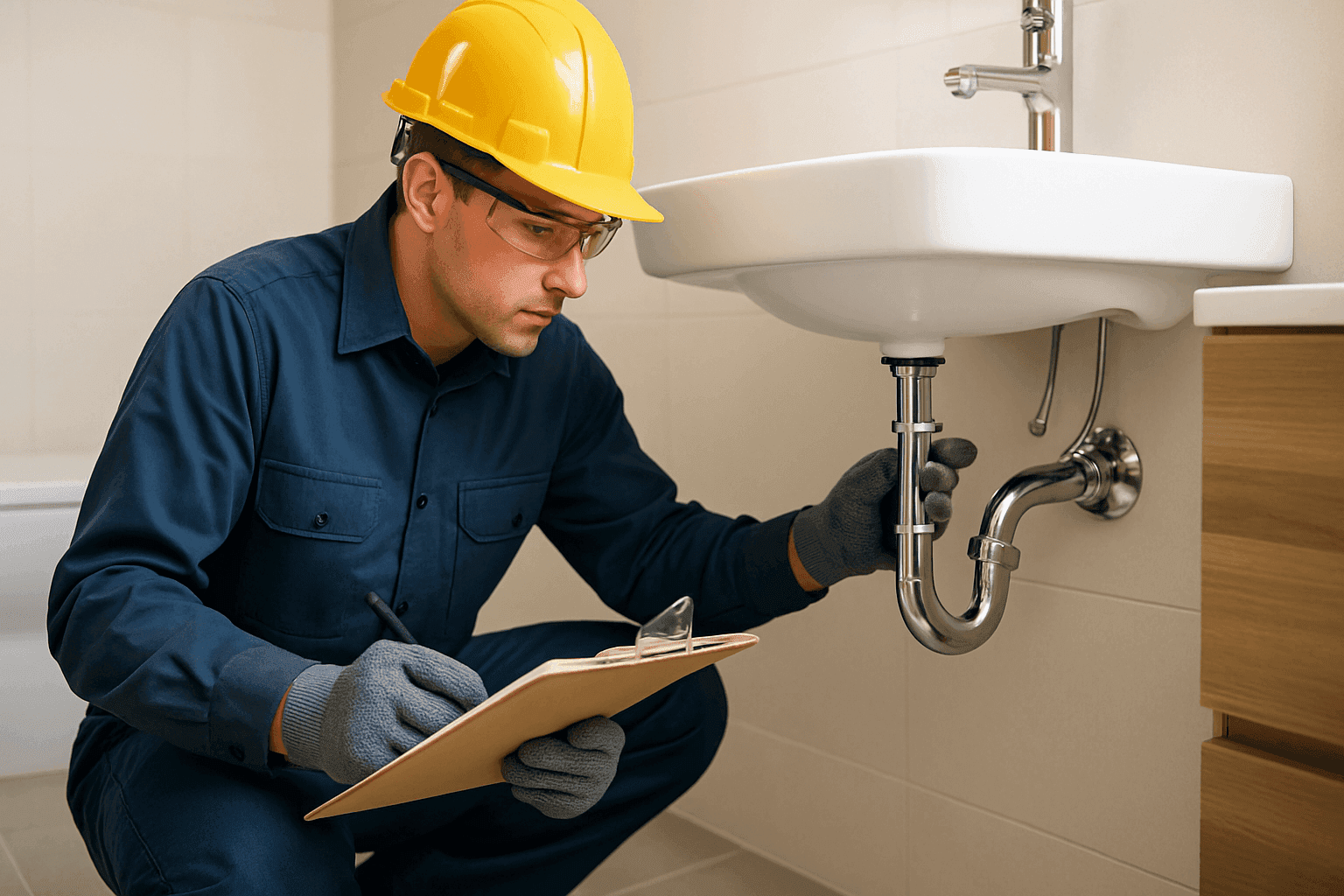
When a pipe bursts in the dead of winter or the toilet overflows before family arrives, panic sets in. Plumbing problems don’t wait for a convenient moment. They sneak up on homeowners and facility managers alike, disrupting daily life and business flow.
But here’s the good news: most emergencies can be avoided. With a simple, consistent maintenance routine, you spot early warning signs—before they turn into wallet-draining disasters. Down To Earth Plumbing has seen it all, and we’re here to help you keep your plumbing running smoothly.
Why Annual Plumbing Maintenance Matters
Think of your plumbing like the circulatory system of your building. Pipes, valves, and fixtures quietly keep everything moving. Ignore them, and small issues—like a slow drip—can snowball into burst pipes or backed-up drains. Routine checks catch these issues early, saving you big on repairs and headaches.
- Avoid emergency plumbing calls (and the stress that comes with them)
- Prevent water damage and mold
- Lower long-term repair costs
- Extend the life of fixtures, pipes, and appliances
Quick Safety Checklist 🛑
Safety first! Before you dive in, keep these essentials in mind:
- Always turn off water at the main shutoff before tackling leaks or repairs.
- For gas lines or water heaters, shut off the gas supply. If you smell gas, leave the area and call professionals immediately.
- Wear gloves and eye protection—plumbing can get messy.
- Keep a flashlight and bucket handy for dark or damp spaces.
- Know your local building codes (the International Plumbing Code and state guidelines are must-reads).
Monthly Checks: Bite-Sized Preventative Tasks
Tend to your plumbing a little each month and you’ll keep bigger problems at bay.
- Inspect faucets and under-sink pipes for drips or moisture.
- Check toilets for running water or leaks at the base.
- Run water in rarely used sinks and showers to prevent traps from drying out.
- Monitor water pressure—if it suddenly changes, there may be a hidden leak or clog.
- Clear visible debris from drains in kitchens and bathrooms.
- Look for slow-draining sinks or tubs—catch small clogs early.
Seasonal Tasks: Stay Ahead of the Weather
Every season brings its own plumbing challenges. Here’s how to stay prepared:
Spring
- Check outdoor hose bibs for leaks caused by winter freezing.
- Inspect sump pump operation—pour a bucket of water into the pit and watch it run.
- Schedule backflow testing for irrigation systems.
Summer
- Inspect exposed pipes in basements or crawl spaces for condensation or leaks.
- Clean out gutters and downspouts to prevent water pooling near foundations.
- Prep for vacation—turn off the main water supply if you’ll be gone for weeks.
Fall
- Flush your water heater to remove sediment (per manufacturer’s instructions).
- Insulate pipes in unheated spaces to prepare for cold snaps.
- Test sump pumps before storm season.
Winter
- Disconnect garden hoses and shut off exterior faucets.
- Let a trickle of water run on freezing nights to prevent burst pipes.
- Check for drafts around pipe entry points and seal them.
Pre-Holiday Prep 🎉
- Test garbage disposal and unclog as needed.
- Clean faucet aerators and showerheads.
- Inspect toilets for any signs of trouble—guests mean more usage!
DIY vs. Call a Pro
Some plumbing tasks are perfect for a handy homeowner or building manager. Others? Not so much.
DIY-Friendly:
- Unclogging minor drains (with a plunger or drain snake)
- Replacing washers or tightening loose fittings
- Cleaning faucet aerators
Call a Pro For:
- Gas line installation or gas safety checks (always!)
- Sewer line inspection, repair, or installation
- Repiping or major leak repair
- Water heater repair or installation
- Persistent water pressure problems
Remember: if you’re not 100% sure—or if the job involves gas, sewage, or major water lines—reach out for professional help. Safety first.
What Pros Do On Arrival
When you call Down To Earth Plumbing for emergency plumbing or routine service, here’s what you can expect:
- Thorough inspection: We check visible pipes, fixtures, and appliance connections.
- Leak detection: Using advanced tools, we spot hidden leaks behind walls or under floors.
- System testing: Sump pumps, water heaters, and backflow preventers get a workout.
- Code compliance: Our team follows all current plumbing and safety codes, ensuring every fix is by the book.
- Clear communication: We explain the issue, outline options, and answer your questions before any work begins.
Prevention & Maintenance: The Simple Steps That Save Big
Most plumbing disasters start small—a drip, a gurgle, a stain. Stay ahead with these habits:
Flush Your Water Heater
Once a year, drain several gallons to remove sediment. This keeps your heater running efficiently and extends its life. (Follow the manufacturer’s guidelines for your specific unit.)
Test Sump Pumps
Pour a bucket of water in the pit. The pump should start, drain the water, and shut off quickly.
Inspect Hoses and Valves
Check laundry, dishwasher, and ice maker hoses for cracks or bulges. Replace as needed, and make sure shutoff valves turn smoothly.
Keep Drains Clear
Avoid pouring grease or coffee grounds down kitchen drains. Use drain strainers to catch hair and debris in bathrooms.
Watch Water Pressure
If water blasts out of faucets or barely trickles, it’s time to investigate. High pressure can damage pipes; low pressure may signal a leak or obstruction.
Schedule Annual Pro Inspections
A yearly visit from a licensed plumber can catch trouble you might miss—like slow leaks, failing seals, or early corrosion.
Costs & Time Factors: What to Expect
Maintenance is almost always cheaper than repair. Still, it pays to know what goes into the work:
- DIY checks: Most monthly tasks take 10–30 minutes.
- Pro inspections: Annual checkups typically last 1–2 hours.
- Repairs: Minor fixes (like Leak Repair near you) can be quick, while sewer line repair or repiping may take a day or more.
- Parts: Replacement hoses, washers, or valves are inexpensive. Larger jobs (like water heater or sump pump replacement) cost more, but save in the long run by preventing water damage or emergencies.
Routine maintenance now means fewer surprise bills later.
When It’s an Emergency 🚨
Some plumbing issues can’t wait:
- Burst pipes or major leaks
- Sewer backups
- No hot water (especially in winter)
- Gas leaks or rotten egg smells
- Overflowing toilets or drains
In these cases, shut off the main water (or gas) supply and call for emergency plumbing help immediately. Don’t try to DIY gas or sewage issues—these can be dangerous.
FAQ: Common Plumbing Maintenance Questions
Q: How often should I flush my water heater?
A: Once a year, unless your manufacturer recommends more frequent flushing due to hard water.
Q: What’s the best way to spot a hidden leak?
A: Look for unexplained spikes in your water bill, damp spots on walls, ceilings, or floors, and musty odors. A licensed plumber can use specialized tools for leak detection.
Q: My toilet runs constantly—is it urgent?
A: Constant running wastes water and can signal a worn-out flapper or valve. Fix quickly to avoid higher bills.
Q: Can I use chemical drain cleaners?
A: Avoid them. They can damage pipes and harm the environment. Use a plunger, drain snake, or call for professional drain cleaning if needed.
Local & Seasonal Considerations
Every region has its quirks. Cold climates face frozen pipes, while storm-prone areas need reliable sump pumps. Follow local building codes and stay tuned to seasonal weather—preparing your plumbing for extremes saves you from sudden repairs.
In commercial settings, schedule maintenance during off-hours to avoid business disruptions. Facility managers should keep records of all repairs, inspections, and upgrades.
Regular plumbing maintenance isn’t just about checking a box—it’s about peace of mind, saving money, and keeping your home or business running smoothly. Whether you’re a homeowner or a facility manager, stay ahead of emergencies with the checklist above.
Call Down To Earth Plumbing now — or reach us anytime at 888-488-8509 .