Bathroom Plumbing Problems: Troubleshooting Common Issues
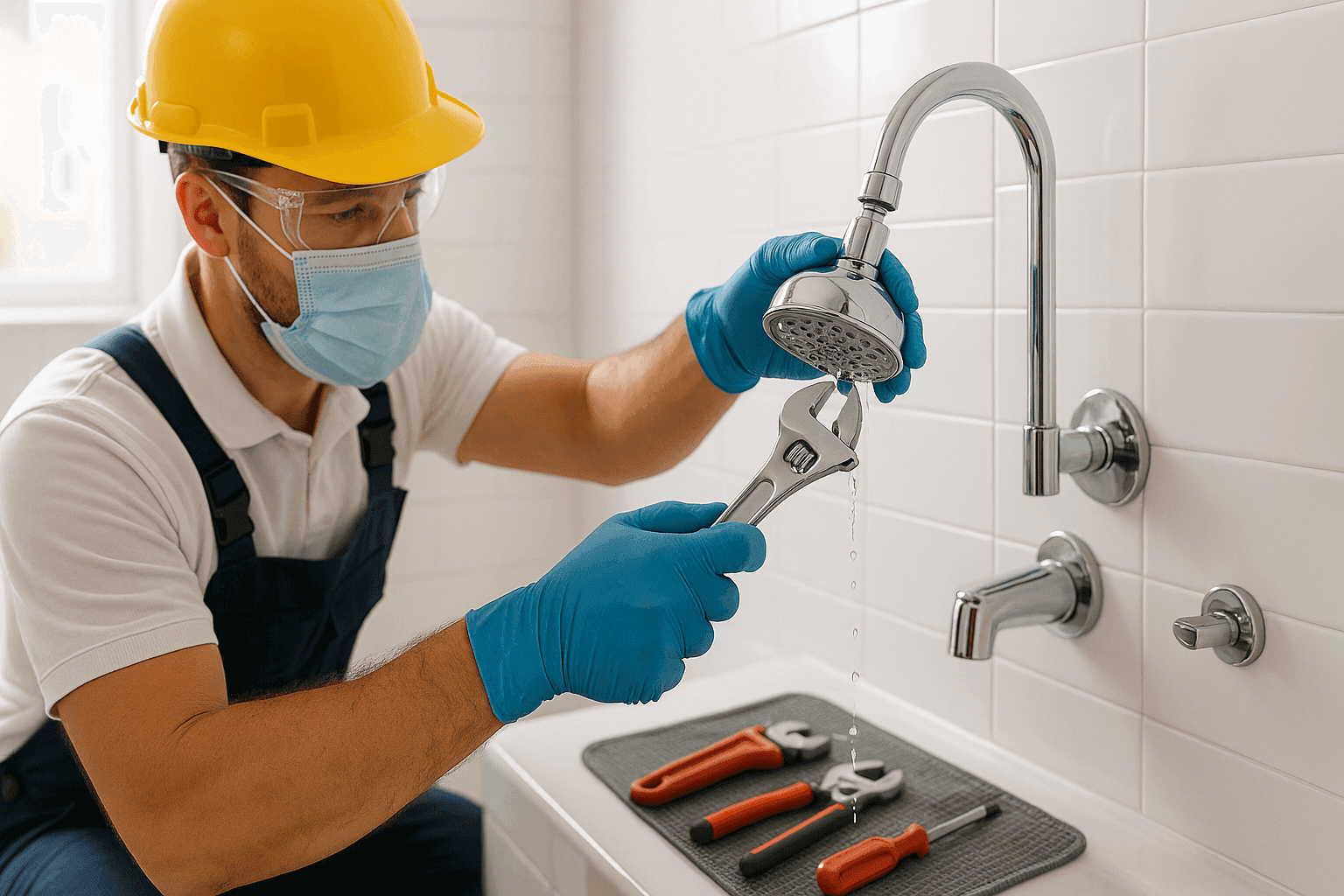
Is your bathroom starting to sound like a haunted house at night? Dripping taps, groaning pipes, and mysterious puddles can turn your peaceful space into a source of stress. We get it—plumbing problems never strike at a convenient time. And when it’s your bathroom, the disruption can feel overwhelming.
At Down to Earth Plumbing, we've seen it all. We know how a simple leak or clog can quickly spiral, especially if you’re dealing with hard water or high humidity. This guide will help you spot the signs, try safe fixes, and know when it’s time to call for emergency plumbing.
Most Common Bathroom Plumbing Problems 🚿
Even the most well-kept bathrooms can run into trouble. Here are the issues we see most often in homes:
Leaks
- Dripping faucets: That little drip can waste gallons and send your water bill soaring.
- Leaky pipes: Look for water stains on walls, ceilings, or under sinks.
- Toilet leaks: Water pooling around the base, or running constantly.
Leaks are sneaky. Sometimes they hide behind tiles or under floorboards, only revealing themselves through mold, mildew, or a musty smell.
Clogs
- Slow-draining sinks or tubs: Hair, soap scum, and toothpaste are usual suspects.
- Toilet blockages: Whether it’s a stubborn clog or an overflowing bowl, this one’s hard to ignore.
- Shower backups: Standing in water before you finish your shower? That’s a sign.
Clogs can build up over time. Think of them like cholesterol in your arteries—ignore them, and things can get messy fast.
Noisy Pipes
- Banging or knocking: Water hammer, often caused by sudden valve closure or loose pipes.
- Squealing or whistling: High water pressure or mineral deposits narrowing pipe passages.
- Gurgling: Air trapped in the system or vent issues.
Noisy pipes are like your plumbing’s way of crying out for help.
Quick Safety Checklist
Before you reach for your wrench, make sure you and your home stay safe:
- Shut off the water supply at the nearest valve.
- If you suspect an electrical hazard (wet outlets, flickering lights near leaks), turn off power at the breaker.
- Wear gloves—bathroom pipes and water can harbor bacteria.
- Keep towels and a bucket handy to catch spills.
- If you smell gas or sewage, leave the area and call for emergency plumbing help right away.
DIY Troubleshooting Steps
Some problems are within reach for a handy homeowner. Here’s how to tackle the basics:
For Leaking Faucets
- Turn off the water supply.
- Unscrew the faucet handle and check the washer or cartridge—worn parts are the usual cause.
- Replace with new parts from your local hardware store.
- Reassemble and turn the supply back on.
For Slow Drains
- Remove the stopper and clear out visible debris (gloves recommended!).
- Pour boiling water down the drain, followed by a cup of baking soda and vinegar.
- Let it fizz for 10–15 minutes, then flush with more hot water.
- Use a plunger if needed—short, firm pushes work best.
For Running Toilets
- Lift the tank lid and check the flapper valve—is it sealing properly?
- Adjust or replace the float if the water level is too high.
- Tighten the chain if it’s too loose or tangled.
If you’re dealing with persistent leaks, rising water, or foul odors, it’s time to pause and call in a professional.
When to Call a Plumber
Some situations are too risky or complex for DIY. Here’s when you need a pro:
- Water won’t stop flowing, even after shutting off valves.
- Sewage smells or visible waste near drains.
- Water stains spreading on ceilings or walls.
- Recurring clogs, especially in multiple fixtures.
- Noisy pipes that shake or bang after each use.
- Gas smells or suspected leaks—never risk it.
Problems like these can signal issues deep in your plumbing or sewer lines. Timely help prevents damage and keeps your family safe.
What Plumbers Do On Arrival
A professional plumber brings more than just tools. Here’s what you can expect when Down to Earth Plumbing arrives:
- Inspect the affected area and locate the source of the problem.
- Use specialized cameras (for drains and sewer lines) to spot hidden blockages.
- Check for code compliance and safety (referencing local building codes).
- Repair or replace damaged parts with quality materials.
- Test the system to ensure the issue is completely resolved.
- Offer advice on Preventative Maintenance near you to avoid repeat issues.
We handle everything from minor leaks to full sewer line repairs, so you can get back to a bathroom that works as it should.
Preventing Future Issues
A little care goes a long way in keeping your bathroom plumbing healthy. Try these tips:
- Install drain screens to catch hair and debris.
- Avoid pouring grease, wipes, or coffee grounds down any drain.
- Regularly check under sinks and behind toilets for signs of moisture.
- Flush only toilet paper—“flushable” wipes don’t break down as promised.
- Schedule annual inspections for your water heater and pipes.
- Consider a water filtration system if you live in a hard water area.
- Run bathroom exhaust fans to reduce humidity and prevent mold.
The Plumbing-Heating-Cooling Contractors Association (PHCC) recommends routine checks to spot trouble early. Prevention beats panic every time.
Costs & Time Factors
Bathroom plumbing repairs can range from a quick fix to a half-day project. Here’s what influences the cost and time:
- Severity of the issue: A dripping tap is fast to fix; a hidden leak behind the wall takes longer.
- Parts required: Simple washers are cheap; new fixtures or pipes cost more.
- Access: Hard-to-reach pipes or tight spaces add time.
- Emergency plumbing: After-hours and urgent calls may involve extra fees.
Most common jobs—like unclogging toilets or repairing faucets—can be wrapped up in an hour or two. Bigger repairs, like repiping or sewer line work, may require more time and specialized equipment.
When It’s an Emergency
Some plumbing problems can’t wait. Call for emergency plumbing help right away if you notice:
- Flooding or rapidly rising water.
- Raw sewage backing up into your bathroom.
- Burst pipes or visible pipe breaks.
- Sudden loss of water pressure throughout the house.
- Gas leaks or rotten egg smells.
These issues can damage your home fast and may risk your health. Don’t try to fix them alone—get professional help as soon as possible.
Bathroom Plumbing FAQ
How do I know if I have a hidden leak?
Look for mold, musty odors, or unexplained water stains. An unusually high water bill can also be a clue.
Is it safe to use chemical drain cleaners?
They can work in a pinch but may corrode pipes over time, especially with repeated use. Manual methods are safer for most clogs.
Why does my bathroom smell bad even after cleaning?
It could be a sign of a dry drain trap, sewer gas leak, or hidden mold. If odors persist, it’s time for an inspection.
Should I worry about water quality in my bathroom?
Hard water and mineral deposits can affect fixtures and pipes. A water filtration system helps protect your plumbing and improve water quality.
Local & Seasonal Considerations
Certain plumbing problems are more common depending on your local water and weather:
- Hard water: Leaves white mineral stains on faucets and clogs aerators. Consider regular descaling or water softener systems.
- High humidity: Encourages mold growth and can worsen hidden leaks. Keep bathrooms ventilated and dry.
- Cold snaps: Pipes can freeze and burst, especially if your bathroom is against an exterior wall. Insulate exposed pipes before winter.
- Storm season: Heavy rains can overload sewer lines, causing backups. Regular backflow testing helps protect your home.
If you’re not sure what your home needs, ask about Preventative Maintenance near you. Local professionals understand the unique challenges in your area.
Call Down to Earth Plumbing now — or reach us anytime at 888-488-8509 .