Boiler Repair for Homeowners: Warning Signs & Costs
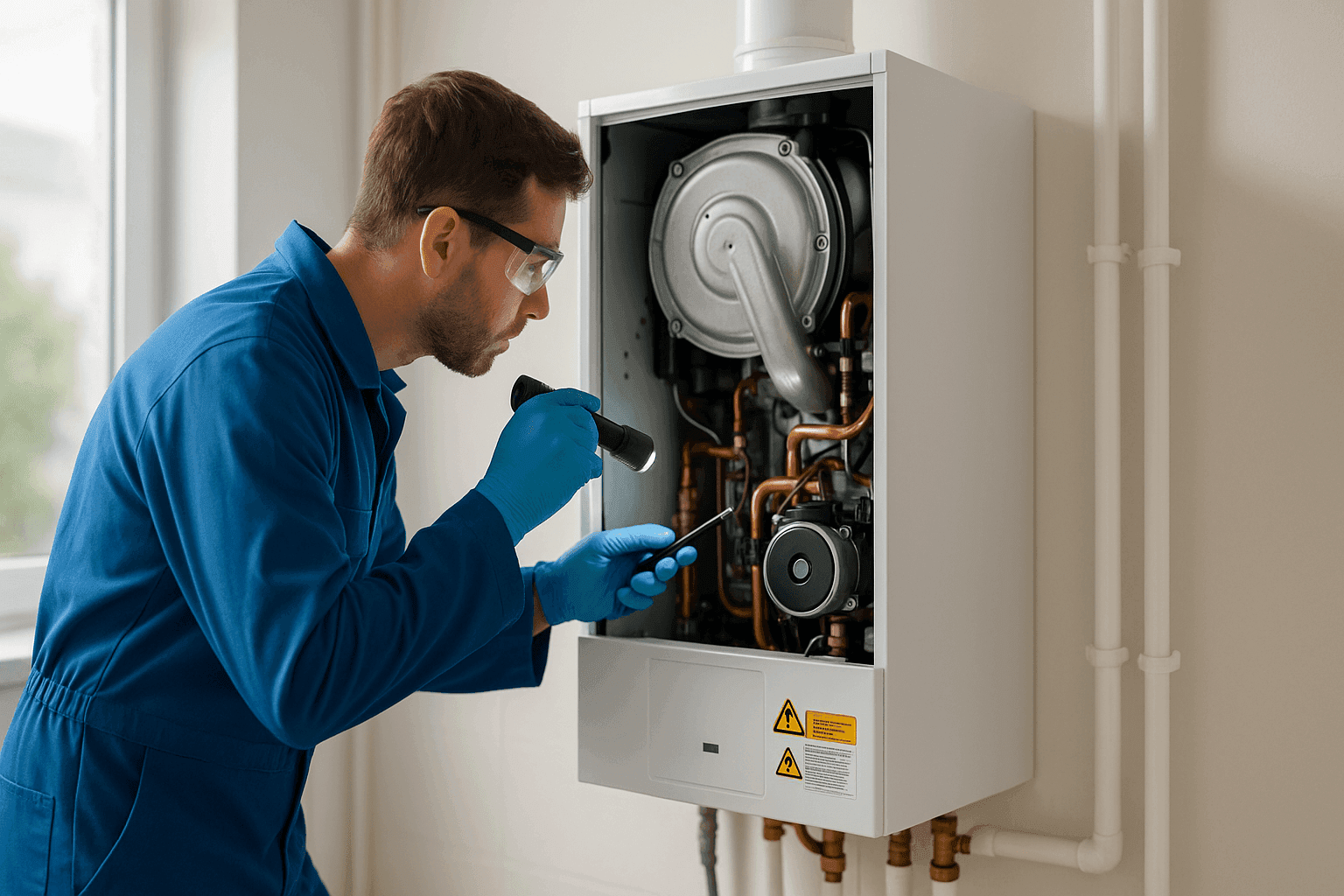
Boilers are the quiet workhorses of your home. Out of sight, out of mind—until something goes wrong. Suddenly, no heat. Cold showers. Strange noises in the night. That’s when you need answers, fast.
At Down to Earth Plumbing, we see it all. And we know that quick action can mean the difference between a simple fix and a costly emergency plumbing call. Here’s how to spot trouble early, what to expect for repairs, and how to keep your boiler humming safely.
Most Common Boiler Problems 🔥
Even the best boilers can run into trouble. It often starts small, but left unchecked, these problems can snowball.
No Heat or Hot Water
- The most obvious sign. Suddenly, your home feels like an icebox.
- Causes: Faulty thermostat, broken diaphragms, airlocks, or a failed motorized valve.
Strange Noises
- Banging, whistling, or gurgling?
- Like a kettle boiling on the stove, these sounds usually mean trapped air, low water pressure, or limescale buildup.
Leaks and Drips
- Water pooling beneath the boiler is never a good sign.
- Could be worn-out seals, corroded pipes, or a pressure issue.
Pilot Light Keeps Going Out
- This small flame does a big job. If it’s out, your boiler won’t fire up.
- Possible causes: Faulty thermocouple, gas supply issue, or a draft.
Pressure Problems
- If the gauge drops too low, your system can’t circulate heat.
- Sudden highs or lows suggest leaks, faulty valves, or old expansion vessels.
Boiler breakdowns don’t read the calendar. They can strike at the worst times—right before a family gathering or during a winter cold snap.
Signs Your Boiler Needs Immediate Repair
Some warning signs need urgent action. Don’t wait and hope these go away:
- Burning smells or smoke – Shut down the boiler and call for emergency plumbing help.
- Carbon monoxide alarm – If this ever goes off, evacuate and seek professional help immediately. Carbon monoxide is odorless and deadly.
- Visible corrosion or rust – Can lead to leaks or structural failure.
- Sudden loss of pressure – Indicates a leak or a major malfunction.
- No response from controls – If your thermostat, timer, or display is dead, the issue may be electrical or mechanical.
If you notice any of these, it’s like seeing smoke from under your car’s hood. Don’t drive on—get help now.
Average Boiler Repair Costs 💸
Boiler repairs range from quick fixes to major overhauls. Here’s what can affect the price:
- Type of problem: Simple jobs (like pressure top-up or thermostat replacement) can be straightforward. Complex repairs (like a heat exchanger or pump replacement) cost more.
- Parts needed: Some brands have pricier replacement parts.
- Age of boiler: Older systems may require more labor or difficult-to-find parts.
- Time of service: Emergency plumbing calls after hours or on holidays usually cost extra.
Estimated cost ranges (for residential boilers):
- Minor repairs (thermostat, valves, pressure issues): $100–$350
- Moderate repairs (pump, fan, motorized valves): $250–$750
- Major repairs (heat exchanger, circuit boards): $800–$1,800
These are typical ranges—every job is unique. Always ask for a detailed quote.
Preventing Boiler Breakdowns
A boiler is like a car: regular tune-ups keep it running well. Here’s what homeowners can do:
- Annual service: Schedule preventative maintenance near you every 12 months. This extends lifespan and keeps you compliant with local codes.
- Bleed radiators: Removes trapped air and improves efficiency.
- Check pressure: Keep an eye on the gauge. Top up if it drops below the recommended level (usually 1–1.5 bar).
- Clear vents and flues: Blockages are dangerous and reduce efficiency.
- Listen for changes: New noises or smells? Don’t ignore them.
- Install carbon monoxide alarms: This is not optional—it's a must for every home with a gas boiler.
For a full checklist, the U.S. Consumer Product Safety Commission and your local building authority offer clear guidelines for safe operation and maintenance.
Local Heating Requirements & Safety Regulations 🏠
Home heating isn’t just about comfort—it’s about safety. Building codes and safety regulations set minimum standards for installation, maintenance, and repairs. Here’s what matters:
- Annual inspections: Most states and provinces require regular boiler checks by a licensed professional.
- Carbon monoxide detectors: Mandated in many areas for all homes with fuel-burning appliances.
- Permits for major work: Boiler installation, gas line work, and significant repairs must meet local codes (check with your city or county building office).
- Gas safety checks: Required after any repair or new installation.
Staying up to code isn’t just paperwork—it keeps your family and neighbors safe.
Quick Safety Checklist
- Is your boiler room clear of clutter?
- Are all air vents and flues free of obstructions?
- Is there a working carbon monoxide detector nearby?
- Do you know where the gas shut-off valve is?
- Are your controls and thermostat working normally?
- Any signs of leaks, corrosion, or burning smells?
If you answer “no” or spot a problem, take action now.
DIY vs. Call a Pro
It’s tempting to try a quick fix. Some tasks are safe for handy homeowners—others are not.
Safe to DIY:
- Resetting the boiler using the manufacturer’s instructions.
- Topping up water pressure (if you know how).
- Bleeding radiators.
- Cleaning around the unit (never inside).
Call a Professional For:
- Gas line work or adjustments.
- Electrical issues.
- Replacing parts or opening the boiler case.
- Diagnosing leaks or persistent pressure problems.
Modern boilers are complex. The wrong move can risk your safety and void warranties. When in doubt, call for emergency plumbing help.
What Pros Do On Arrival
When you call Down to Earth Plumbing, here’s what to expect:
- Safety check: First, we make sure the area is safe—no gas leaks, electrical hazards, or CO risk.
- Diagnostics: Using specialized tools, we check controls, sensors, and run a full system test.
- Visual inspection: We look for signs of leaks, rust, and wear.
- Testing: We may check for pressure, bleed air, and examine water flow.
- Code compliance: All repairs are done to meet local safety and building codes.
- Advice: We explain what went wrong, what we fixed, and how to prevent future issues.
This process keeps you in the loop—and your home safe.
Prevention & Maintenance
A little effort goes a long way. Here’s how to keep your boiler running smoothly year-round:
- Schedule annual servicing: This is your best defense against surprise breakdowns.
- Insulate pipes: Especially in cold basements or crawlspaces, to prevent freezing.
- Keep records: Track maintenance dates, repairs, and parts replaced.
- Check your warranty: Know what’s covered, especially if your boiler is under 10 years old.
- Monitor water quality: Hard water can cause limescale. Consider a water filtration system if your area has mineral-heavy water.
Simple habits now can save you money—and headaches—later.
Costs & Time Factors
Wondering how long repairs take? Most minor fixes can be done in under two hours. Larger jobs, like replacing a heat exchanger or major components, may require a half day or even a return visit (especially if parts need ordering).
What affects repair time?
- Complexity: Some issues are easy to spot; others require system-wide checks.
- Parts availability: Common parts are usually on hand. Rare models might mean a wait.
- Access: Tight spaces or awkward installations slow things down.
Budget for both cost and time, especially if your boiler is older or hasn’t been serviced in years.
When It’s an Emergency
Not all boiler issues can wait. Call for emergency plumbing help right away if:
- You smell gas or suspect a leak.
- There’s no heat in freezing weather (especially if you have children or elderly at home).
- The carbon monoxide detector sounds.
- Water is leaking rapidly from the unit or pipes.
- Smoke or burning smells are present.
In these cases, turn off the boiler if you can do so safely, open windows, and leave the area if necessary.
Boiler Repair FAQ
Q: How often should my boiler be serviced?
A: Once a year is the standard, as recommended by most manufacturers and local building codes.
Q: Is it safe to keep using my boiler if it’s making noises?
A: If noises are new or getting louder, stop using it and call for an inspection. Ignoring sounds can lead to bigger problems.
Q: Can I repair my own boiler?
A: Homeowners can reset, bleed, and top up pressure if comfortable. All gas, electrical, and internal work must be done by a licensed professional.
Q: What’s the lifespan of a modern boiler?
A: Most last 10–15 years with proper preventative maintenance near you. Old or neglected units may fail sooner.
Local & Seasonal Considerations ❄️
Winter brings added strain to home heating systems. In colder regions, pipes are more likely to freeze, and boilers work overtime. Schedule maintenance before the first cold snap—don’t wait for a breakdown.
In some areas, humidity and mineral-rich water mean extra limescale buildup. A water filtration system can help reduce wear on your boiler and pipes.
Always check local building codes for updates. Requirements for carbon monoxide detectors, insulation, and annual checks can change.
When your home’s comfort and safety are on the line, don’t wait. If you spot any warning signs—or just want peace of mind—Call Down to Earth Plumbing now — or reach us anytime at 888-488-8509 .