How to Choose the Right Water Filtration System for Your Home or Business
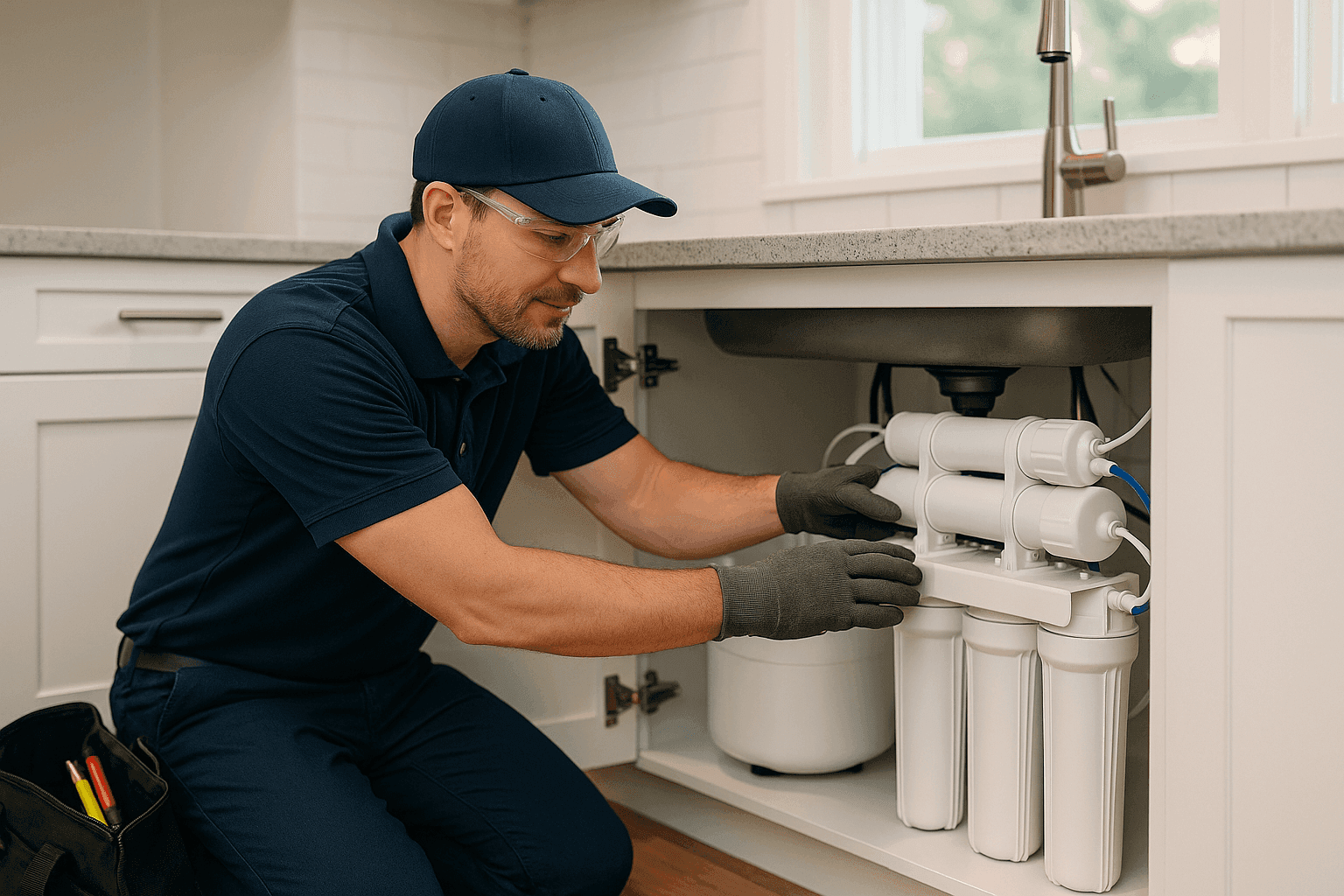
Is your tap water tasting a bit off? Maybe you’ve noticed stains in the sink or a lingering odor after you fill up a glass. Water is supposed to be clear, clean, and refreshing—but sometimes, it’s anything but.
At Down To Earth Plumbing, we know how important safe water is for your family or business. Choosing the right water filtration system can feel overwhelming, but it doesn’t have to be. Let’s break it down, step by step, so you can make a confident choice.
Why Water Filtration Matters
Think of your plumbing like the veins in your body. If something’s clogging or contaminating the flow, it affects everything downstream. Water filtration isn’t just about taste—it’s about health, appliance longevity, and peace of mind.
Common Water Contaminants
Water can pick up all sorts of unwanted hitchhikers on its journey to your tap. Here are a few of the usual suspects:
- Sediment: Sand, silt, and rust particles that make water look cloudy or leave residue in sinks.
- Chlorine: Added for disinfection, but can cause unpleasant taste and odor.
- Heavy Metals: Lead, mercury, and copper can sneak in from old pipes.
- Microorganisms: Bacteria, viruses, and parasites—tiny but mighty threats to health.
- Chemicals: Pesticides, herbicides, and industrial runoff may be present, especially in well water.
- Hardness: High levels of calcium and magnesium that cause scaling and soap scum.
The Environmental Protection Agency (EPA) and World Health Organization (WHO) set guidelines for safe water, but even treated water can pick up contaminants on the way to your faucet.
Types of Water Filtration Systems 🛠️
There’s no one-size-fits-all solution. The best system for your home or business depends on what’s in your water and how you use it. Let’s explore the main options:
Activated Carbon Filters
- How it works: Like a sponge, carbon traps contaminants as water passes through.
- What it removes: Chlorine, sediment, some pesticides, and bad tastes/odors.
- Best for: Improving taste and removing common chemicals. Great for kitchens and drinking water taps.
Reverse Osmosis (RO) Systems
- How it works: Water is pushed through a semi-permeable membrane, leaving contaminants behind.
- What it removes: Dissolved salts, heavy metals, fluoride, and many bacteria/viruses.
- Best for: Homes or businesses with high mineral content or specific contaminants. Produces very pure water.
Ultraviolet (UV) Purifiers
- How it works: UV light zaps and neutralizes bacteria, viruses, and parasites.
- What it removes: Microorganisms—does not remove chemicals or sediment.
- Best for: Well water or areas with biological contamination risks.
Whole-House vs. Point-of-Use Systems
- Whole-house: Treats all water entering the building. Ideal for addressing widespread issues (sediment, hardness).
- Point-of-use: Installs at a single tap (kitchen, bathroom). Good for drinking and cooking needs.
Specialty Filters
- Water Softeners: Remove hardness minerals.
- Iron Filters: Target iron and manganese.
- Combination Units: Mix several technologies for broader protection.
Quick Safety Checklist Before You Choose
- Test your water: Use a certified lab or home test kit. Know what you’re dealing with.
- Check plumbing codes: Ensure your system meets local plumbing and safety standards (refer to Uniform Plumbing Code or International Plumbing Code).
- Consider existing plumbing: Some systems need space, power, or changes to pipes.
- Read product certifications: Look for NSF/ANSI standards for contaminant removal.
- Budget for maintenance: Filters and membranes need regular replacement.
DIY vs. Call a Pro
You might be tempted to install a filter yourself—the box says “easy install,” after all. But here’s the catch: water filtration systems are like puzzles. If a piece is missing or forced in the wrong spot, leaks or contamination can follow.
When DIY Makes Sense
- Simple faucet or pitcher filters.
- Replacing pre-existing filters with the same model.
When to Call a Pro
- Whole-house or under-sink systems.
- Plumbing modifications or electrical needs.
- Unusual water pressure or flow issues.
- When you want it done right the first time.
A professional plumber ensures everything’s sealed, up to code, and working as it should. For emergency plumbing issues—like leaks or sudden water loss—don’t wait.
What Pros Do On Arrival
When you call Down To Earth Plumbing, here’s what you can expect:
- Water Quality Assessment: We test your water or review your lab results.
- System Recommendation: We match filtration technology to your unique needs—no guesswork.
- Plumbing Inspection: We check your pipes, water pressure, and space for installation.
- Installation: We fit the system, check for leaks, and ensure everything runs smoothly.
- Education: We show you how to change filters and spot early warning signs.
Prevention & Maintenance Tips
Like changing the oil in your car, regular maintenance keeps your filtration system running clean.
- Replace filters on schedule: Mark your calendar or set reminders. Overused filters can harbor bacteria or stop working.
- Flush new filters: Run water for a few minutes after replacing filters to clear out loose carbon or debris.
- Inspect for leaks: Check under sinks and around the system for drips or puddles.
- Monitor water taste and pressure: Sudden changes may signal it’s time for maintenance.
- Annual professional checkup: A plumber can spot hidden issues before they become big problems.
Following manufacturer instructions is key. For commercial systems, keep a maintenance log for compliance.
Costs & Time Factors
Water filtration systems range from affordable to high-end, depending on complexity and features.
- Initial cost: Pitcher filters and faucet attachments are budget-friendly. Whole-house and RO systems cost more due to installation and materials.
- Maintenance: Factor in filter replacements—typically every 3–12 months, depending on use and type.
- Installation time: Simple systems can be set up in an hour. Whole-house systems may take half a day or more.
- Operating costs: Some systems (like RO) waste a bit of water during filtration. Factor this into your water bill.
Remember, investing in clean water often saves money by protecting appliances and reducing plumbing repairs.
When It’s an Emergency
Sometimes, water quality issues strike fast. Maybe a pipe bursts, flooding your basement and contaminating your supply. Or a sudden change in taste signals a problem with your filtration system.
Signs you need emergency plumbing help:
- Water suddenly turns cloudy, rusty, or smells foul.
- You notice a major leak or water pooling near your filter.
- Loss of water pressure throughout your home or business.
- Unusual noises or alarms from your filtration unit.
Don’t wait—water issues can escalate quickly. Emergency plumbing services are available 24/7 from Down To Earth Plumbing to keep your water safe and your property protected.
FAQ: Water Filtration Systems
How do I know what’s in my water?
Start with a water test. You can buy a home kit, but for detailed results, use a certified laboratory. Some local health departments offer testing or can recommend resources.
How often should I replace my filters?
Follow the manufacturer’s guidelines. Most filters last 3–12 months, but heavy use or poor water quality can shorten that window. If water flow slows or taste changes, check your filter.
Can a filtration system remove all contaminants?
No single system removes everything. That’s why pros often recommend a combination—like a carbon filter plus UV or RO. Always match the system to your specific water issues.
Is professional installation really necessary?
For anything beyond a simple faucet or pitcher filter, yes. Proper installation prevents leaks, ensures code compliance, and keeps your water safe. It also protects warranties and ensures the system works as intended.
Special Considerations for Homes and Businesses
Every building is unique. Here’s what to keep in mind:
- Water source: Well water may need extra filtration (like UV or iron filters). City water often needs chlorine and sediment removal.
- Plumbing age: Older pipes can introduce lead or other metals. Test and address as needed.
- Space constraints: Under-sink and whole-house systems need room for tanks and filters.
- Usage patterns: Businesses with high water use may need larger or specialized systems.
- Regulations: Some commercial setups require regular backflow testing and documentation.
Always check that your system meets current plumbing and health codes. The National Sanitation Foundation (NSF) and American National Standards Institute (ANSI) certify many filters—look for their marks.
Ready for cleaner, safer water? Call Down To Earth Plumbing now — or reach us anytime at 888-488-8509 .