Complete Guide to Preventing Plumbing Freezes This Winter
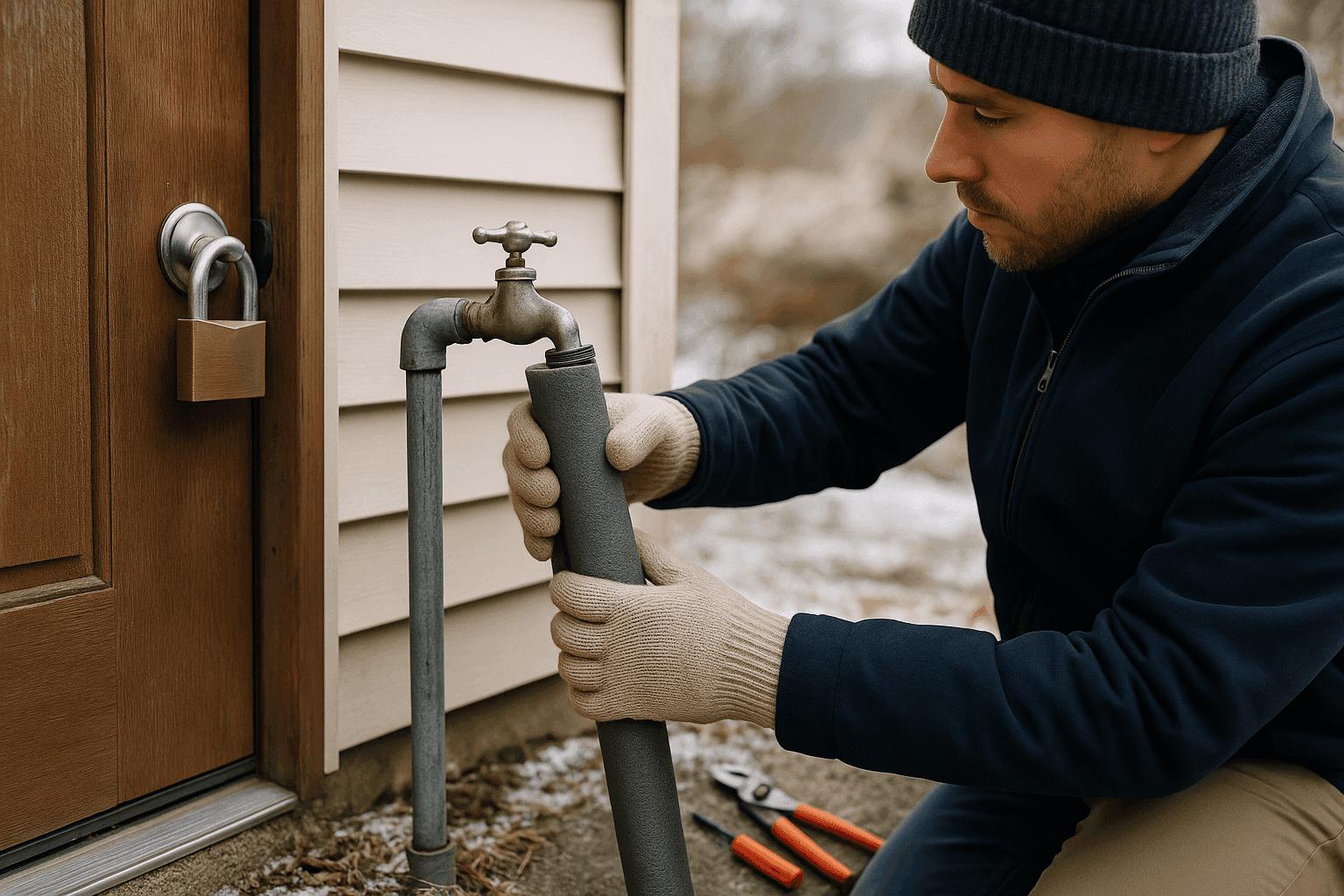
Winter can be tough on your plumbing. One cold snap and suddenly, you’re dealing with frozen pipes, leaks, or—worst of all—a burst that floods your home or business.
At Down To Earth Plumbing, we know how quickly a minor freeze can spiral into a major emergency plumbing situation. This guide will walk you through why pipes freeze, how to prevent it, and what to do if the worst happens. Let’s keep your water flowing and your worries low all season long.
Understanding Plumbing Freezes 🧊
When temperatures dip below freezing, water inside your pipes can turn to ice. Unlike most things, water expands as it freezes—like a can of soda left in the freezer. That pressure has nowhere to go. Eventually, the pipe cracks or bursts, sending water everywhere once things thaw.
But not all pipes are equally at risk. Here’s where trouble usually starts:
- Uninsulated pipes in attics, basements, crawl spaces, or exterior walls.
- Outdoor spigots and garden hoses left connected.
- Cabinet plumbing under sinks along outside walls.
- Rarely used bathrooms or utility rooms.
Even a small frozen section can block the flow and increase pressure throughout your plumbing system. According to the Insurance Institute for Business & Home Safety, a burst pipe can release hundreds of gallons of water in a single day, causing thousands in damage.
Top Prevention Strategies
The best fix is prevention. Here’s how to keep your pipes safe before the cold sets in:
1. Insulate Vulnerable Pipes
Wrap exposed pipes with foam insulation sleeves or fiberglass. Don’t forget tight spaces like under sinks, crawl spaces, or garages. For extra cold-prone spots, consider heat tape (UL-listed only, and always follow manufacturer instructions).
2. Seal Up Drafts
Cold air loves to sneak through cracks. Use caulk or spray foam to seal gaps around pipes where they enter walls, floors, or foundations. Even tiny drafts can chill pipes fast.
3. Maintain Indoor Heat
Keep your thermostat set to at least 55°F (13°C), even if you’re away. Open cabinet doors under sinks to let warm air circulate. For businesses, don’t lower the heat overnight.
4. Drain and Disconnect Outdoor Lines
Shut off water to outdoor spigots and drain them fully. Remove hoses and store them indoors. If you have an irrigation system, follow the manufacturer’s winterization guidelines.
5. Let Faucets Drip
On extra-cold nights, let a trickle of water run from faucets connected to vulnerable pipes. Moving water is less likely to freeze.
6. Schedule Preventative Maintenance
Have a professional inspect your plumbing for leaks, weak spots, or outdated insulation. Preventative checks are your best shield against surprise emergencies.
Emergency Preparations
Even with the best prevention, sometimes winter throws a curveball. Here’s how to prepare for the unexpected:
Know Your Main Shut-Off Valve
Locate your home or business’s main water shut-off. Test it before winter hits. In an emergency, you’ll need to turn off water fast to limit damage.
Recognize Early Signs of Freezing
Watch for:
- Sudden drop in water pressure
- No water from a faucet that worked yesterday
- Frost on pipes or strange noises (like banging or whistling)
If you spot any of these, act quickly. Turn off the water, open faucets to relieve pressure, and gently warm pipes with a hair dryer or towels soaked in hot water—never use an open flame.
Emergency Supplies
Keep a flashlight, towels, and a bucket handy for quick clean-up. Know the number for emergency plumbing help.
When to Call a Professional
Some situations are best left to the pros. Here’s when to pick up the phone:
- You can’t locate or access the frozen section.
- Pipes are bulging, cracked, or leaking.
- Water is gushing or pooling anywhere it shouldn’t.
- You’ve lost water to multiple fixtures.
- You’re not comfortable with DIY repairs.
Frozen pipes can burst suddenly, especially when thawing. Licensed plumbers have the tools and training to handle the job safely and minimize damage. According to the International Plumbing Code, repairs should meet strict safety and building standards.
Practical Tips: Keeping Your Plumbing Safe
- Check insulation annually—replace worn or missing sections.
- Install smart leak detectors for early warning.
- Upgrade old plumbing—copper and PEX pipes are more freeze-resistant than galvanized steel.
- Schedule an annual plumbing inspection before winter.
- Keep garage doors closed if water lines run through the garage.
Why Preventative Maintenance Matters
Routine checks and repairs save money and stress. Small leaks or gaps can turn into expensive emergencies under pressure from ice. Preventative maintenance isn’t just about comfort—it protects your property and peace of mind.
What to Do If Pipes Freeze
If you suspect a pipe is frozen, here’s what to do:
- Turn off the main water supply immediately.
- Open faucets to relieve pressure.
- Apply gentle heat to the frozen section—hair dryer, heating pad, or warm towels.
- Never use a torch or open flame—it’s a major fire risk.
- Call for emergency plumbing help if you can’t thaw the pipe or if it’s burst.
When It’s an Emergency
If you see water spraying, ceilings sagging, or hear loud banging from pipes, it’s time to act fast. Shut off the water, move valuables out of harm’s way, and call a licensed plumber. The sooner you act, the less damage you’ll face.
Frequently Asked Questions
What temperature do pipes start to freeze?
Pipes can start freezing when temperatures drop below 32°F (0°C), but the risk increases when it stays below 20°F (-6°C) for several hours.
Can I use a space heater to thaw pipes?
Yes, but only if you can do so safely—keep heaters away from flammable materials and never leave them unattended.
Should I leave the heat on if I’m away for a few days?
Absolutely. Set your thermostat no lower than 55°F (13°C) and ask a neighbor to check your property if possible.
Are all pipe materials equally at risk?
No. Copper and steel pipes freeze and burst more easily than PEX or other flexible plastics, but all pipes need protection.
Special Considerations for Homeowners and Small Businesses
- Businesses: Schedule after-hours checks—especially if you close for holidays or weekends.
- Vacant properties: Winterize plumbing systems fully if you won’t be using the building for extended periods.
- Older homes: These often have less insulation and more vulnerable plumbing.
- Backflow prevention: Freezing can damage backflow preventers. Have them inspected before winter.
Protecting your plumbing from winter freezes isn’t just about avoiding inconvenience. It’s about keeping your property, inventory, and peace of mind safe—no matter how low the temperature drops.
Call Down To Earth Plumbing now — or reach us anytime at 888-488-8509 .