Garbage Disposal Repair: Common Problems & Fast Fixes
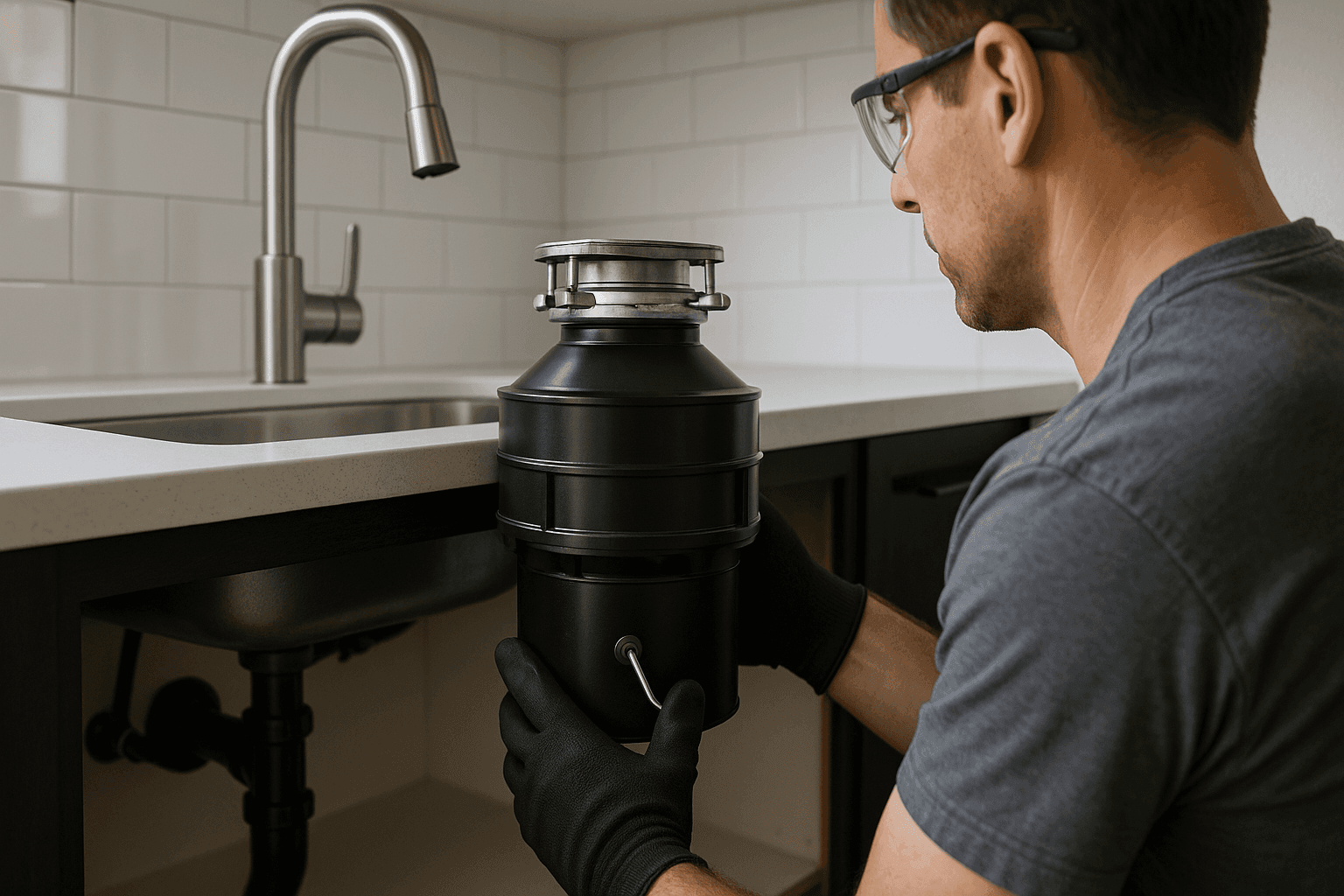
Is your garbage disposal refusing to budge, humming but not grinding, or clogging up at the worst possible moment? You’re not alone. These under-sink helpers tend to go on strike when you need a clean kitchen most—like in the middle of family dinner prep or during holiday chaos.
At Down to Earth Plumbing, we’ve seen it all, from forgotten spoons to potato peels turning your disposal into a stubborn statue. When emergency plumbing issues strike, knowing what to do next can save your nerves—and your plumbing. Let’s walk through the most common problems, safe fixes, and when it’s time to call for help.
Most Common Disposal Problems 🚫
Garbage disposals can stop working for reasons that range from the simple to the surprising. Here are the issues we see most often:
Jams
Ever hear a low, angry hum when you flip the switch? That’s a classic jam. Usually, a foreign object—think silverware, bottle cap, or a chunk of bone—gets wedged between the blades. Sometimes, starchy foods gum up the works, turning your disposal into a food blender’s worst nightmare.
Clogs
If your sink fills instead of draining, you may have a clog. This can happen when fibrous foods or grease collect in the pipes, or when too much food is stuffed in at once. A clog in the disposal or drain can back up water—and frustration—fast.
Humming Noises
A humming disposal is like a car engine that won’t turn over. Power is reaching the unit, but the blades are stuck. This could be due to a jam or a burned-out motor. Either way, a humming sound without grinding means there’s trouble under the hood.
Leaks
Water pooling under the sink often signals a failing gasket, cracked housing, or loose connection. Even a small drip can lead to cabinet damage or mold if ignored.
Safe DIY Troubleshooting Steps 🛑
Before you reach for tools—or stick your hand in—pause. Many injuries happen when safety steps are skipped. Here’s your must-follow checklist for safe troubleshooting:
- Unplug the unit. Always disconnect power at the wall outlet or switch off the circuit breaker before working on your disposal.
- Never put your hand inside. Use tongs or pliers to remove objects.
- Find the reset button. Most disposals have a small red or black button underneath. If the unit overheats or jams, pressing this can restart it.
- Use a hex key. Most models have a hole on the bottom for a 1/4-inch Allen wrench. Turn it back and forth to free stuck blades.
- Test with cold water. Run cold water while turning the disposal on and off in quick bursts—sometimes this helps clear jams.
If the disposal still won’t run, don’t force it. Forcing stuck blades or running the unit dry can cause bigger problems.
Foods You Should Never Put Down a Disposal 🥔
Think of your disposal like a hungry but picky pet. Feed it the wrong thing, and it’ll bite back. Avoid sending these items down the drain:
- Fibrous vegetables: Celery, corn husks, onion skins—these wrap around blades.
- Grease and fat: Cools into a sticky clog.
- Starchy foods: Potato peels and pasta turn into thick glue.
- Bones and fruit pits: Hard enough to break the motor.
- Coffee grounds: Settle like sand, clogging pipes.
- Eggshells: The membrane can wrap around moving parts.
For a complete list, check recommendations from the U.S. Department of Energy and your disposal’s manual.
When to Replace Your Garbage Disposal 🔄
Every disposal has a lifespan. Most last about 8–15 years with regular use and Preventative Maintenance near you. Consider replacement if:
- You smell persistent odors after cleaning.
- There are frequent resets or jams.
- The unit leaks from the body (not just the top connection).
- It won’t turn on, even after checking the power and reset button.
- Grinding is weak, noisy, or uneven, even with small loads.
When repairs start costing more time and money than a new unit, replacement is the wise route.
Quick Safety Checklist
Stay safe while troubleshooting by remembering these basics:
- Power off first—unplug or flip the breaker.
- Never reach in—use tools only.
- If you hear a grinding or humming noise, stop immediately.
- Wear gloves and safety glasses when working under the sink.
- If water is leaking onto wiring, do not touch—call emergency plumbing immediately.
DIY vs. Call a Pro
Some issues are fixable with simple steps. But when should you call Down to Earth Plumbing? Use this guide:
DIY:
- Clearing minor jams with a hex wrench.
- Resetting the button after a power trip.
- Fishing out small objects with tongs.
Call a Pro:
- Persistent jams or clogs.
- Leaking from multiple locations.
- Electrical smells or sparks.
- Unit won’t turn on after all safe resets.
- Water damage or mold under the sink.
If in doubt, don’t risk your safety. Emergency plumbing services are available day or night.
What Pros Do On Arrival
Here’s what to expect when a licensed plumber arrives:
- Visual inspection for blockages and leaks.
- Safe electrical testing and circuit checks.
- Manual clearing of jams using manufacturer-approved tools.
- Check for worn bearings, cracked housings, or faulty switches.
- Testing drain flow and water pressure.
- If needed, replacement with a new, code-compliant unit.
Our team follows local and national safety codes, like those from the International Association of Plumbing and Mechanical Officials (IAPMO).
Prevention & Maintenance
A little care goes a long way. Here’s how to keep your disposal humming without trouble:
- Run cold water before, during, and after use.
- Cut large scraps into smaller pieces.
- Drop in ice cubes monthly to help clear debris.
- Toss in citrus peels for a fresh scent and mild cleaning effect.
- Regularly check for leaks and tighten connections.
- Schedule Preventative Maintenance near you to catch early signs of trouble.
Costs & Time Factors
Repair costs and time depend on the problem:
- Simple resets or jam clearing: 10–20 minutes.
- Clog removal or gasket replacement: 30–60 minutes.
- Full disposal replacement: 1–2 hours.
Costs vary with parts, labor, unit age, and whether emergency plumbing is required. It’s often more economical to replace an old, unreliable unit than keep patching it up.
When It’s an Emergency
Some disposal problems can’t wait. Call for emergency plumbing if:
- Water is flooding cabinets or floors.
- The unit is making loud grinding or electrical noises.
- There’s a burning smell or visible sparks.
- Leaks are near electrical outlets or appliances.
- You can’t safely disconnect power.
Quick action minimizes water damage and electrical risks.
FAQ
How often should I clean my garbage disposal?
Monthly cleaning is a good habit. Use ice cubes and a splash of dish soap, or a mixture of baking soda and vinegar.
Can I use chemical drain cleaners in my disposal?
No. These products can damage seals and corrode metal. Stick to mechanical clearing and approved cleaning methods.
Why does my disposal smell bad?
Food debris can get trapped under the blades. Clean with ice, baking soda, or citrus peels. Persistent odors may mean it’s time for a deeper cleaning or inspection.
Is it safe to install a new disposal myself?
If you’re comfortable with plumbing and wiring, it’s possible. But for most homeowners, professional installation is safer, especially when electrical work is required.
Local & Seasonal Considerations 🏡
In colder months, grease solidifies faster—so avoid pouring it down the drain. Heavy holiday use can overwhelm disposals, so prep and clean in small batches. If you live in an older home or have hard water, schedule regular inspections to prevent mineral buildup and leaks.
Need help fast, day or night?
Call Down to Earth Plumbing now — or reach us anytime at 888-488-8509 .