Gas Safety Checks: Why Annual Inspections Matter
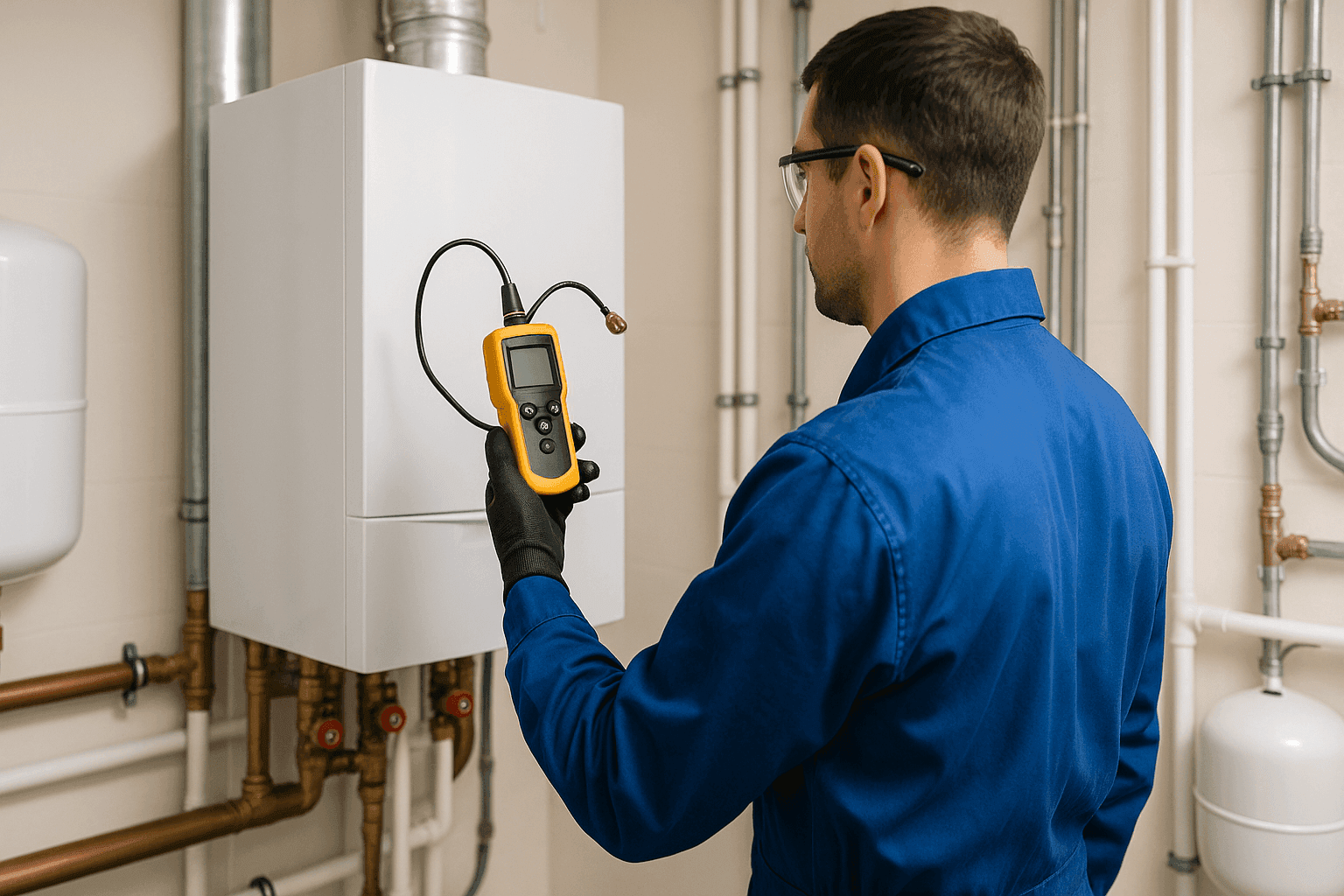
Keeping your family safe is more than a checklist—it's a mindset. Gas lines and appliances are silent workhorses in our homes, but they also demand respect. Even the smallest leak can become a real emergency if ignored.
At Down to Earth Plumbing, we’ve seen what happens when routine gas safety is skipped. The risks are real, but so are the solutions. Here’s what you need to know about annual gas safety checks—and why you should never let them slide.
Why Gas Safety Matters 🛑
Imagine a tiny drip under your sink. Left unchecked, it becomes a flood. Gas is similar, but the stakes are much higher. Gas leaks are invisible, often odorless, and always dangerous. At their worst, they can lead to explosions or carbon monoxide poisoning.
- Carbon monoxide (CO) is colorless and scentless, but can be deadly within minutes.
- Gas leaks can cause dizziness, headaches, or worse—a fire or explosion.
- National and state regulations require regular inspections for a reason: safety isn’t optional.
The good news? Most gas incidents are preventable. Regular, professional checks catch problems early—before they become disasters.
Signs of Gas Problems
Worried something’s off at home? Trust your instincts. Here are the most common red flags:
- Rotten egg smell (sometimes added for safety)
- Hissing or blowing sounds near appliances or pipes
- Dead houseplants near gas lines
- Soot or scorch marks around gas appliances
- Pilot lights that keep going out
- Headaches, dizziness, or nausea when indoors
If you notice any of these, turn off the appliance (if safe), open doors and windows, and call emergency plumbing help right away.
What Happens During a Professional Gas Check
When you schedule a professional gas safety check, here’s what to expect:
- Full inspection of gas lines, joints, valves, and connections.
- Testing for leaks using specialized detectors—far more sensitive than your nose.
- Review of appliances (heaters, boilers, stoves, water heaters) for safe operation.
- Carbon monoxide detection—checking both alarms and levels near appliances.
- Ventilation assessment to ensure exhaust gases aren’t trapped indoors.
- Verification of compliance with current safety codes and standards (such as those from the Australian Gas Association or local U.S. state authorities).
A licensed plumber will walk you through any issues found and offer honest recommendations. They’ll also make sure your carbon monoxide alarms are working and located in the right spots.
Regional Regulations for Gas Safety
Regulations keep us all safe, but they vary by region. Some areas require annual checks; others demand more frequent inspections for rental properties or older homes.
- In Australia: The Gas Safety Act and local guidelines set strict standards for residential gas safety.
- In the U.S.: The National Fuel Gas Code (NFPA 54) provides a national standard, but your state or city may add extra requirements.
- For landlords: Regular inspections and certification are often mandatory.
- For homeowners: Insurers may require documented annual checks, especially after renovations or appliance upgrades.
Staying up to date means your family is protected—and you’re on the right side of local laws.
Why Licensed Professionals Matter
Gas isn’t a do-it-yourself project. Licensed plumbers have the training, tools, and insurance to spot what the untrained eye can’t. More importantly, they know the rules that keep everyone safe.
Unlicensed work isn’t just illegal—it risks your home, your health, and your insurance coverage. Whether you need preventative maintenance near you or emergency plumbing after hours, always call a licensed professional.
What You Can Do at Home
While only a pro can perform a full inspection, you can take steps to boost safety between checks:
- Test carbon monoxide alarms monthly. Replace batteries twice a year.
- Keep vents and air intakes clear of debris.
- Know where your gas shut-off valve is—and how to use it in an emergency.
- Never block or cover gas appliances or flues.
- Schedule annual preventative maintenance with a trusted local plumber.
The Cost and Time of Gas Safety Checks
Worried about the hassle? Most gas safety inspections take less than an hour. The cost is a small price for peace of mind—and it’s much less than dealing with an emergency.
- Costs vary by home size, number of appliances, and your region.
- Annual checks are often bundled with broader plumbing inspections (such as leak detection or backflow prevention).
- Emergency plumbing visits are more expensive, especially after hours.
Investing in regular checks saves time, money, and stress down the road.
When It’s an Emergency
If you ever suspect a gas leak:
- Leave the area immediately.
- Do not use electrical switches, phones, or lighters.
- Call emergency services from outside the home.
- Contact a licensed emergency plumbing provider to investigate and repair the problem.
Don’t second-guess. Gas emergencies escalate quickly.
Frequently Asked Questions
How often should I get a gas safety check?
Most experts recommend annual inspections for all gas appliances and lines. Some regions or insurers require it.
Are carbon monoxide alarms required?
Yes. Most building codes now require CO alarms in homes with gas appliances or attached garages.
Can I check for gas leaks myself?
You can look for obvious signs and test alarms, but only a licensed plumber should inspect or repair gas lines.
What’s the difference between a gas safety check and regular plumbing maintenance?
A gas safety check focuses on lines, appliances, and CO risks, while preventative maintenance near you covers drains, pipes, and general fixtures.
Local and Seasonal Considerations 🌦️
Seasonal changes matter. In winter, windows stay shut and heaters run longer—making proper ventilation and gas safety even more important. After storms, flooding, or renovations, always book an inspection.
Local codes may require additional checks after you install new appliances or switch energy sources. Stay proactive, and you’ll never be caught off-guard.
Staying safe starts at home. Schedule your annual gas safety inspection with a licensed professional from Down to Earth Plumbing today.
Call Down to Earth Plumbing now — or reach us anytime at 888-488-8509 .