How to Maintain Your Home Plumbing System Year-Round
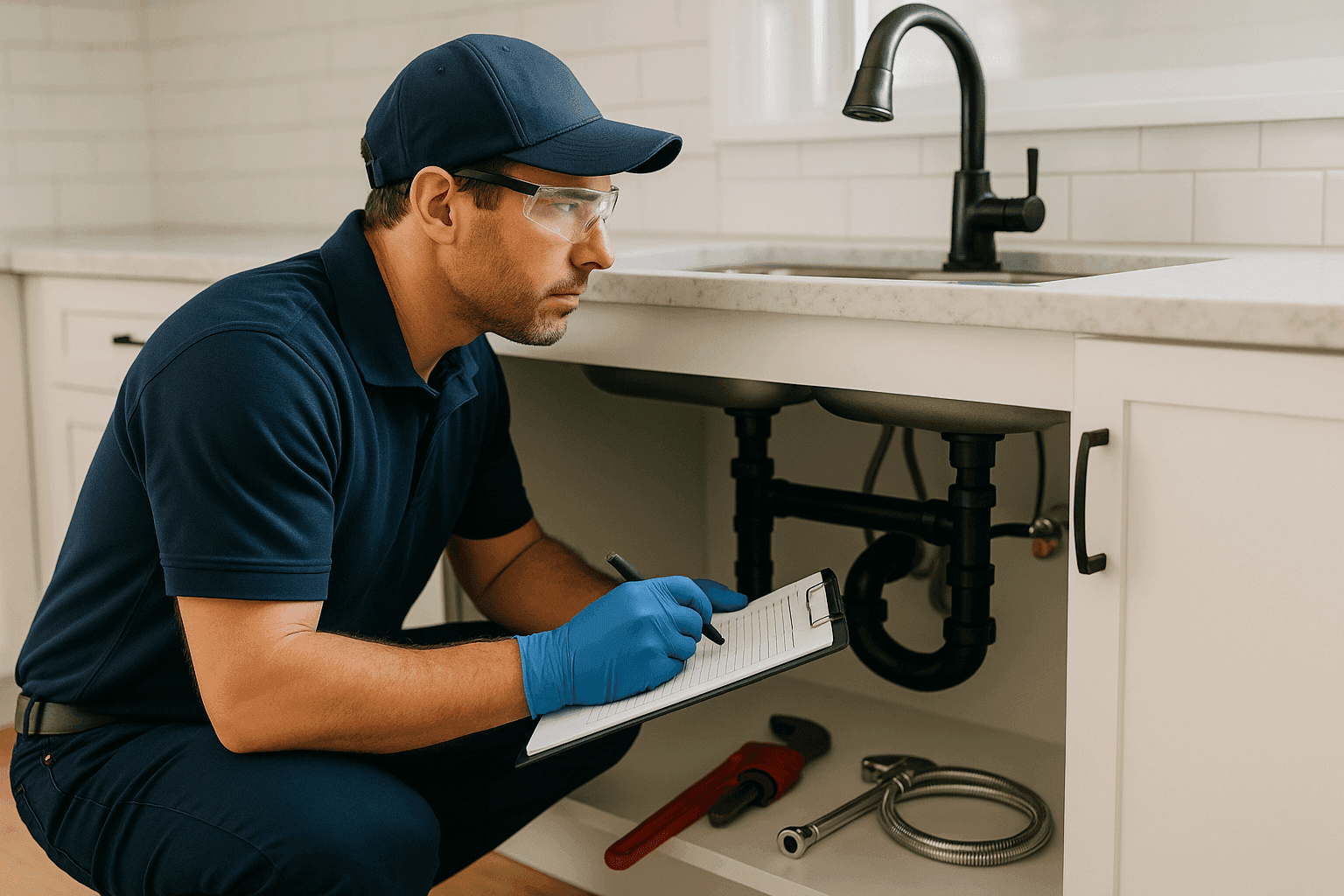
Is your plumbing system ready for whatever the year throws at it? Most of us don’t think about our pipes until something goes wrong—and by then, it’s often a mad dash for emergency plumbing help. At Down To Earth Plumbing, we know a little prevention can save a lot of headaches (and money).
Let’s walk through the steps you can take to keep your plumbing healthy, season after season. Whether you’re a homeowner or run a small business, these tips will help you sidestep trouble and keep things flowing.
Why Plumbing Maintenance Matters
Think of your plumbing like the veins of your home. Out of sight, out of mind—until there’s a problem. Leaks, clogs, or burst pipes can quickly become expensive and disruptive. A well-maintained system, on the other hand, means fewer surprises and a safer, more comfortable space.
Routine care helps you:
- Prevent sudden breakdowns and water damage
- Catch small issues before they become big emergencies
- Extend the life of your pipes, fixtures, and water heater
- Save money on repairs and utility bills
Ignoring your plumbing is a bit like skipping oil changes in your car. Eventually, something’s going to give.
Quick Safety Checklist 🛑
Before you roll up your sleeves, make sure you’re set up for safe plumbing care:
- Know where your main water shutoff valve is. In an emergency, seconds count.
- Turn off power to water heaters and boilers before working nearby.
- Wear gloves and eye protection for any hands-on work.
- Check for gas lines before drilling or hammering. If you smell gas, leave immediately and call for help.
- Keep children and pets away from work areas.
- Familiarize yourself with backflow prevention devices (these keep dirty water from flowing backward into clean lines).
- Review manufacturer instructions for all appliances and fixtures.
For more on safety, the International Association of Plumbing and Mechanical Officials (IAPMO) and the National Fire Protection Association (NFPA) offer helpful guidelines.
Seasonal Plumbing Maintenance Tips
Your plumbing faces different challenges throughout the year. Here’s how to stay ahead, season by season.
Winter: Guard Against Freezing
Cold snaps can turn pipes into popsicles. Frozen pipes may burst, causing major water damage.
- Insulate exposed pipes in unheated areas, like attics, basements, and garages.
- Let faucets drip slightly on the coldest nights to keep water moving.
- Seal gaps and cracks around doors and windows to keep cold air out.
- Disconnect outdoor hoses and shut off exterior faucets.
- Check your water heater—cold weather makes it work harder. Flush sediment buildup to keep it running efficiently.
If you’re heading out of town, keep the heat on low and open cabinet doors under sinks to let warm air circulate.
Spring: Look for Leaks
As the thaw arrives, it’s time to check for winter damage.
- Inspect pipes for leaks or cracks—especially in basements and crawl spaces.
- Test your sump pump by pouring water into the pit. Make sure it switches on and drains properly.
- Clean gutters and downspouts to prevent water backing up into your foundation.
- Check toilets and faucets for slow leaks. A few drops can add up to gallons wasted.
- Examine outdoor spigots for leaks once you turn them back on.
Summer: Prevent Clogs and Overuse
Warm weather means more showers, laundry, and outdoor fun. Don’t let clogs spoil your summer.
- Clear slow drains with a safe, enzyme-based cleaner (avoid harsh chemicals).
- Keep food scraps, grease, and coffee grounds out of the sink—even with a garbage disposal.
- Check for signs of sewer line trouble, like gurgling drains or foul odors.
- Inspect for water pressure issues; sudden drops can signal hidden leaks.
- Flush your water heater to remove sediment if you didn’t do it in winter.
Fall: Prep for Cool Weather
Get your system ready before temperatures drop.
- Drain and store hoses; shut off outdoor water supplies.
- Inspect insulation on pipes and water heaters.
- Schedule a backflow prevention test—especially if you have irrigation or fire sprinkler systems.
- Check for slow leaks around sinks, toilets, and appliances.
- Test your sump pump again before heavy rains.
Warning Signs You Shouldn’t Ignore
Some plumbing issues are like a ticking clock—ignore them, and you’re headed for trouble:
- Unexplained spikes in your water bill
- Persistent low water pressure
- Water stains on walls, ceilings, or floors
- Moldy or musty odors
- Noisy pipes (banging, clanging, whistling)
- Discolored water
- Repeated drain backups or slow drains
- Hot water running out quickly
If you spot any of these, it’s time to investigate—or call in a professional.
DIY vs. Call a Pro
There’s plenty you can handle yourself with a little know-how and the right tools. But some jobs are best left to trained plumbers.
DIY-Friendly Tasks
- Tightening loose faucet handles
- Replacing washers or aerators
- Unclogging minor drains with a plunger
- Cleaning out sink traps
- Testing your sump pump
When to Call Down To Earth Plumbing
- Major leaks or burst pipes
- Gas line issues or strange odors
- Water heater problems (especially gas units)
- Backflow prevention installation or testing
- Sewer line backups or persistent clogs
- Boiler or complex fixture repairs
- Hidden leaks inside walls or floors
- Repiping or pipe installation projects
Attempting complex repairs without the right experience can make things worse—or even dangerous. For anything involving gas, sewer lines, or major water damage, always call a licensed plumber.
What Pros Do On Arrival
When you call Down To Earth Plumbing, here’s what you can expect:
- Assessment: We’ll listen to your concerns, inspect the problem, and check related fixtures.
- Diagnosis: Using tools like leak detectors, video cameras, and pressure gauges, we pinpoint the issue.
- Safety Checks: For gas lines or backflow prevention, we follow safety standards set by the Occupational Safety and Health Administration (OSHA) and local codes.
- Clear Explanation: We’ll explain what’s happening, what needs fixing, and your options.
- Repairs or Maintenance: With your go-ahead, we’ll handle the work efficiently and safely.
- Follow-Up: We’ll test everything, clean up, and offer tips to avoid future issues.
Our team is trained to spot problems you might miss—like hidden leaks, early signs of corrosion, or outdated fixtures that could fail.
Prevention & Maintenance: Your Year-Round Plumbing Routine
A little regular attention goes a long way. Here’s a simple maintenance routine to keep your plumbing healthy:
- Check for leaks monthly under sinks, around toilets, and near appliances.
- Clean faucet aerators and showerheads every few months to remove mineral buildup.
- Flush your water heater at least once a year to clear sediment.
- Have drains professionally cleaned annually to prevent buildup.
- Schedule annual inspections for gas lines, water heaters, and backflow devices.
- Test water pressure; too high or low can signal trouble.
- Replace old hoses on washing machines and dishwashers every 3–5 years.
- Install water filtration systems if you notice odors or discoloration.
Preventative maintenance isn’t just about avoiding emergencies—it’s about peace of mind.
Costs & Time Factors
Plumbing maintenance doesn’t have to break the bank—or eat up your weekend.
- DIY tasks like checking for leaks or cleaning drains can take as little as 10–30 minutes.
- Professional inspections usually take 1–2 hours, depending on the size of your property.
- Repairs can range from a quick fix (like a leaky faucet) to a few hours for more complex jobs (like pipe repair or water heater replacement).
- Routine maintenance costs are typically much lower than emergency plumbing repairs.
Remember, catching problems early is always less expensive than dealing with a full-blown emergency.
When It’s an Emergency 🚨
Sometimes, plumbing problems can’t wait. Here’s when to call for emergency plumbing right away:
- Burst pipes or major leaks—shut off your water supply and call immediately.
- Sewer backups—these pose health risks and can cause extensive damage.
- No hot water in winter—especially for vulnerable family members or in business settings.
- Gas leaks—leave the property and call emergency services, then a licensed plumber.
- Flooding around your water heater, sump pump, or boiler
If you’re unsure, it’s always better to be safe. Quick action can prevent major damage.
FAQ
How often should I have my plumbing inspected?
We recommend a professional inspection once a year. This helps catch hidden leaks, corrosion, and other issues before they become emergencies.
What’s the best way to prevent clogged drains?
Avoid putting grease, coffee grounds, and fibrous foods down the drain. Use drain screens, and clean drains regularly with enzyme-based products.
Is hard water bad for my plumbing?
Hard water can cause mineral buildup in pipes and appliances, reducing efficiency and lifespan. Consider a water filtration or softening system if you notice scale or soap scum.
What should I do if I smell gas?
Leave the building immediately and call emergency services. Do not use electrical switches or phones inside. Once safe, contact a licensed plumber to inspect and repair your gas lines.
Special Considerations for Plumbing Care
- Backflow Prevention: Many homes and businesses need backflow devices to keep contaminated water out of clean lines. Regular testing is required by many building codes.
- Gas Safety Checks: Gas lines should be inspected annually for leaks and corrosion, especially if you use gas appliances or heating.
- Water Heater Maintenance: Sediment buildup can shorten the life of your water heater and make it less efficient. Flushing once a year is key.
- Sewer Line Inspection: If you have large trees nearby or notice frequent clogs, a camera inspection can catch root intrusion or blockages early.
- Fixture Upgrades: Older fixtures can waste water and are more prone to leaks. Upgrading to modern, water-efficient models can save money and prevent problems.
Regular plumbing care is about more than just avoiding emergencies—it’s about protecting your investment and keeping your home or business running smoothly.
Call Down To Earth Plumbing now — or reach us anytime at 888-488-8509 .