How to Safely Install and Maintain Gas Lines at Home
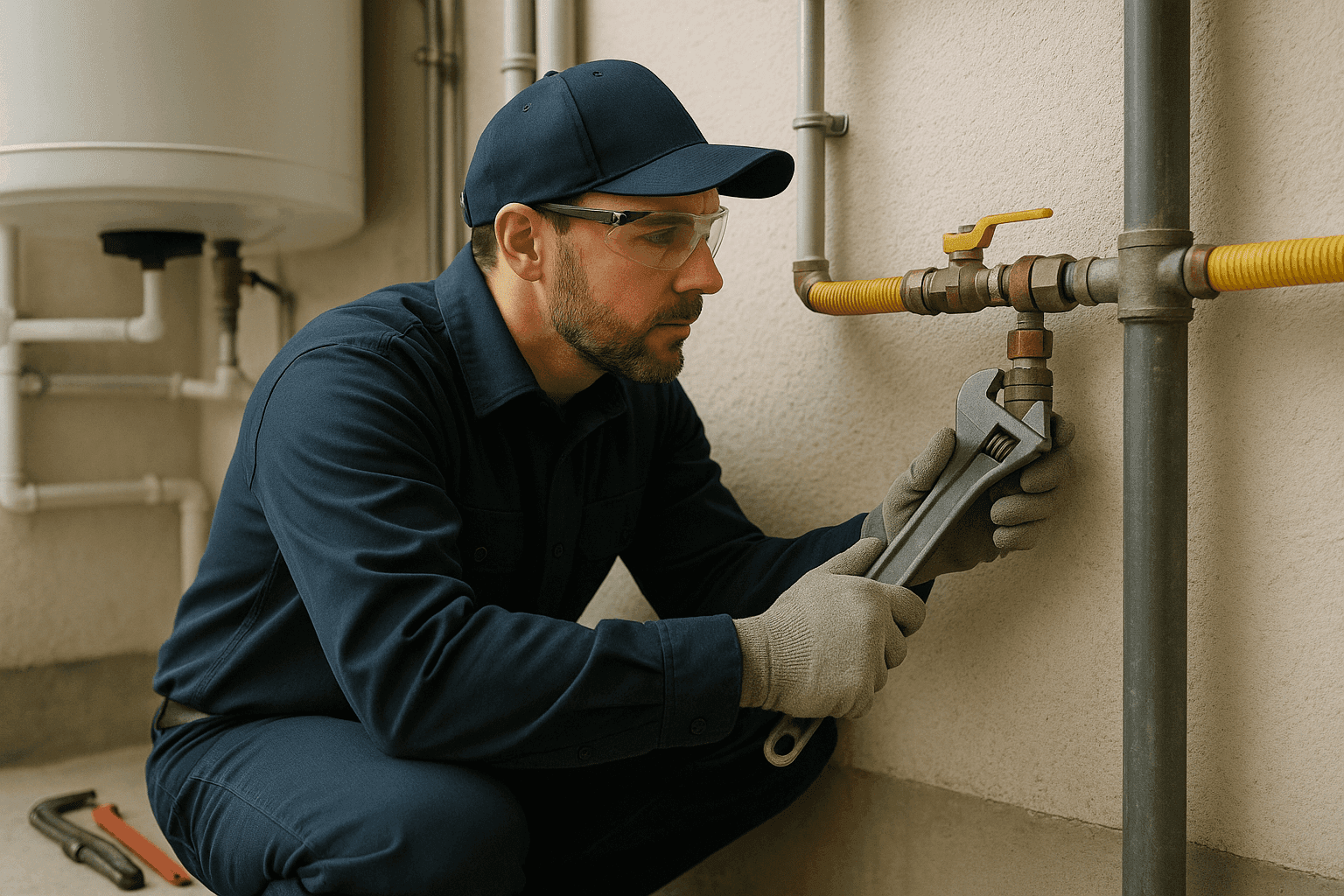
Gas lines are the silent lifelines of many homes and businesses. They keep stoves burning, water heaters humming, and furnaces cozy. But when something goes wrong, it’s like a storm blowing in—fast, dangerous, and often unexpected.
At Down To Earth Plumbing, we know the stakes. We’ve seen what happens when a tiny leak turns into a big emergency. That’s why we want to help you understand gas line safety, so you can keep your home or business running smoothly—and safely.
Why Gas Line Safety Matters
Gas lines aren’t just pipes—they’re the backbone of your kitchen, laundry, and heating systems. But unlike a dripping faucet, a gas leak isn’t always obvious. The risks? Fire, explosions, health hazards. It’s like walking a tightrope: one misstep can spell disaster.
That’s why knowing how to install and maintain gas lines isn’t just a skill. It’s peace of mind.
Quick Safety Checklist 🛑
Before you even think about working with gas lines, stop and check these essentials:
- Shut off the gas supply at the main valve before any work begins.
- Ventilate the area—open windows and doors to keep gas from building up.
- No open flames or sparks—turn off pilot lights, avoid using electronics nearby.
- Use proper tools rated for gas line work.
- Wear safety gear—gloves, eye protection, and sturdy clothing.
- Know your local codes—every area has rules for gas line installation (see the National Fuel Gas Code, NFPA 54).
- Have a fire extinguisher within reach.
- Know emergency contacts—keep your emergency plumbing number handy.
Gas Line Components: What Are You Working With?
Think of your gas line system like a chain—each link matters. Here’s what you’ll find:
- Black steel pipe: Most common material, sturdy and reliable.
- Flexible corrugated stainless steel tubing (CSST): Easier to install in tight spaces.
- Copper tubing: Used in some older homes, but not allowed everywhere.
- Fittings and connectors: Elbows, tees, couplings—each must be approved for gas use.
- Shut-off valves: Let you isolate sections for maintenance or emergencies.
- Thread sealant (pipe dope or Teflon tape): Only use types rated for gas.
DIY vs. Call a Pro
It’s tempting to grab a wrench and try fixing things yourself. But gas lines aren’t like leaky faucets. The risks are much higher.
When DIY Might Be Okay
- Replacing a flexible gas connector on an appliance (following manufacturer instructions).
- Checking for leaks with soapy water (never with a flame).
When to Call a Professional
- Installing new gas lines or moving existing ones.
- Repairing leaks or damaged pipes.
- Upgrading appliances that require changes to the gas supply.
- Any time you’re unsure—better safe than sorry.
Gas line installation and repair require permits, inspections, and strict code compliance. One wrong move, and you’re risking your property—and your life.
How Professionals Install Gas Lines
When our certified technicians arrive, here’s what happens:
1. Inspection and Planning
- Assess your needs—what appliances, how much gas flow.
- Map out the safest, most efficient route for pipes.
- Check for code compliance (NFPA 54, International Fuel Gas Code).
2. Material Selection
- Choose the right type and size of pipe for the job.
- Use only approved fittings and sealants.
3. Installation
- Shut off the main gas supply.
- Cut and thread pipes (if using black steel).
- Securely connect each section, using proper torque and sealant.
- Install shut-off valves at key points.
- Pressure test the system to check for leaks.
4. Inspection
- Local authorities may require official inspection before turning the gas back on.
- Double-check all connections for leaks using approved methods.
Professional plumbers bring years of experience and specialized tools. They know the codes, spot hidden hazards, and keep your system safe from the start.
Prevention & Maintenance: Keep Gas Lines Safe Year-Round 🔧
A little upkeep goes a long way. Here’s how to keep your gas lines in top shape:
- Schedule annual inspections: Have a qualified plumber check for leaks, corrosion, or damage.
- Look for rust or cracks: Surface rust can signal deeper problems.
- Check appliance connections: Make sure flexible connectors aren’t kinked or damaged.
- Test for leaks: Use a mixture of dish soap and water—bubbles mean trouble.
- Keep areas around gas lines clear: Don’t stack boxes or store flammable items nearby.
- Listen and sniff: Hissing sounds or the smell of rotten eggs (added mercaptan) mean you should act fast.
Routine maintenance can catch small problems before they become emergencies. It’s like changing the oil in your car—ignore it, and you’re asking for trouble.
Signs of Gas Leaks: Don’t Ignore These Red Flags
Gas leaks can be sneaky. Watch for:
- Smell of rotten eggs: That’s mercaptan, added for safety.
- Hissing or whistling sounds: Especially near pipes or appliances.
- Dead plants or grass: Gas leaks underground can kill vegetation.
- Bubbles in standing water: A sign of a leak below the surface.
- Dizziness, headaches, or nausea: Gas exposure can cause health symptoms.
If you notice any of these, leave the area immediately and call emergency plumbing services.
Costs & Time Factors: What to Expect
Gas line work isn’t one-size-fits-all. Here’s what affects the cost and timeline:
- Type of job: New installation, repair, or upgrade.
- Length and size of pipe: More pipe means more time and materials.
- Accessibility: Hard-to-reach spaces take longer to work in.
- Permits and inspections: Required for most jobs, adding to the process.
A simple connector replacement might take under an hour. Running new lines through walls or floors can take several hours or more. Always budget for safety checks and inspections.
When It’s an Emergency 🚨
Some gas problems can’t wait. If you:
- Smell gas or hear hissing,
- Feel dizzy or lightheaded for no clear reason,
- See bubbling in puddles or dead plants above gas lines,
Take these steps:
- Evacuate everyone—don’t stop to grab things.
- Don’t use electronics or phones inside—they can spark.
- Shut off the gas supply at the main valve if safe to do so.
- Call emergency plumbing services from a safe location.
Never try to fix a major gas leak yourself. Emergency plumbers have the tools and training to handle dangerous situations.
FAQ: Common Questions About Gas Lines
How often should gas lines be inspected?
At least once a year by a qualified plumber, or any time you notice signs of trouble.
Can I install a gas line myself?
Only very minor work, like replacing a flexible connector, is safe for DIY. Anything involving pipes, fittings, or new appliances should be left to certified professionals.
What should I do if I suspect a gas leak?
Leave the area immediately, avoid using electronics, and call emergency plumbing services from a safe spot.
Are there regulations I need to follow?
Yes. Gas line work must comply with codes such as NFPA 54 and the International Fuel Gas Code. Permits and inspections are usually required.
Special Considerations for Gas Line Installation
- Older homes may have outdated or unsafe materials—these should be upgraded to meet current standards.
- Appliance upgrades can require larger or additional gas lines.
- Earthquakes or settling can stress or damage buried lines—schedule inspections after any significant event.
- Backflow prevention is essential to keep contaminants out of your gas supply.
- Gas safety checks should be part of your regular home or business maintenance routine.
Final Thoughts
Gas lines are the unsung heroes of modern comfort, but they demand respect. Whether you’re installing a new line or just keeping things running smoothly, safety always comes first.
If you ever feel unsure, don’t take chances. Call in the professionals who know gas line systems inside and out.
Call Down To Earth Plumbing now — or reach us anytime at 888-488-8509 .