How to Unclog a Toilet: Step-by-Step for Homeowners
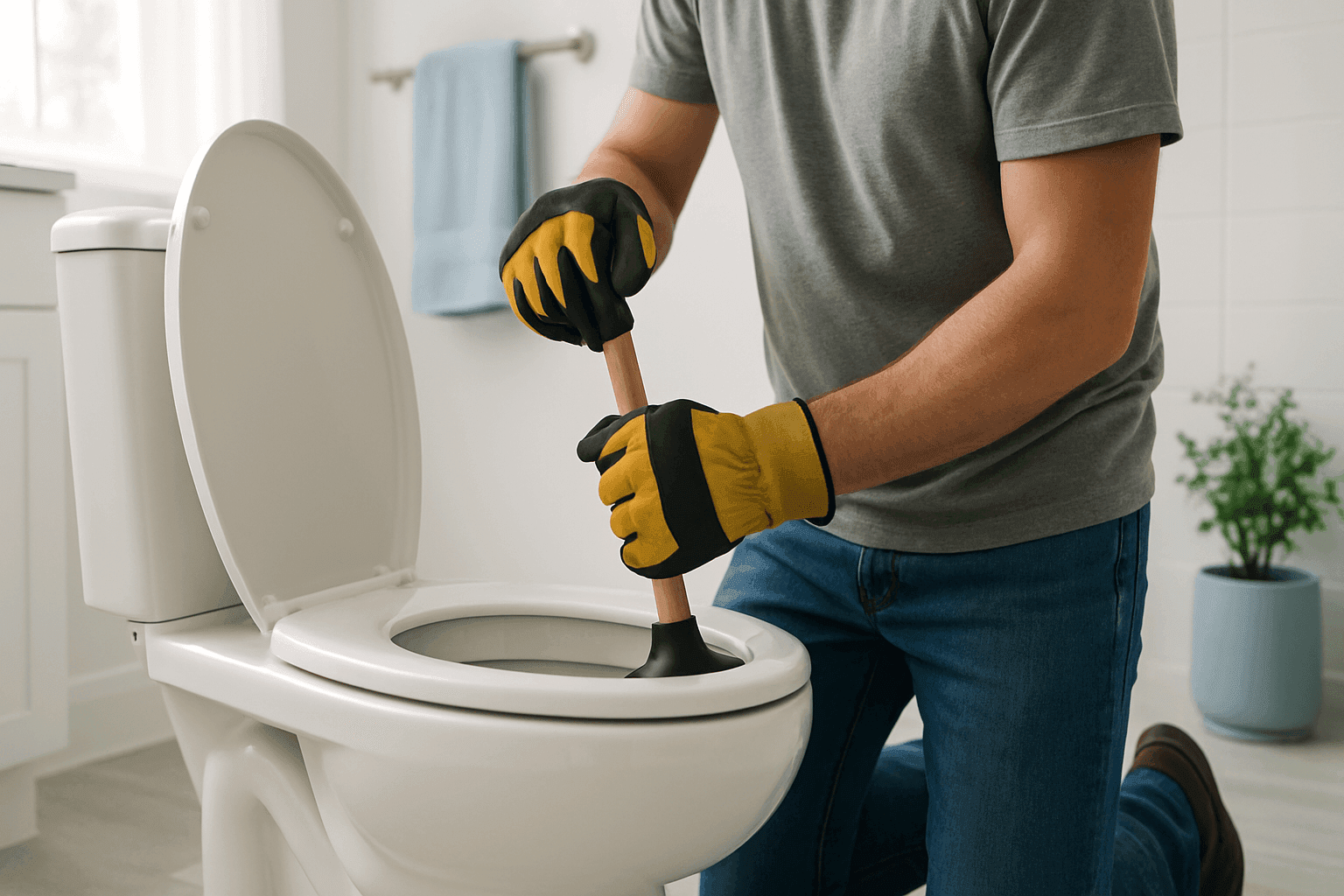
It’s a homeowner’s rite of passage. You flush. The water rises. Panic sets in. There’s nothing quite like the dread of a clogged toilet—especially when guests are nearby or it’s late at night.
At Down to Earth Plumbing, we’ve seen it all. Our crew handles emergencies 24/7, but we also believe in empowering you with clear, safe steps to handle the most common home plumbing mishap. If you act fast and follow these tips, you can often avoid bigger messes—and embarrassment.
Why Toilets Get Clogged 🚽
Most clogs happen for reasons that seem small at the time. Think of your toilet as a winding river. It’s designed for water, waste, and a modest amount of toilet paper. But toss in too much paper, or something that just doesn’t belong, and the flow gets blocked.
Common causes:
- Flushing too much toilet paper in one go
- Kids’ toys, hygiene products, or wipes (even those labeled “flushable”)
- Buildup from hard water or minerals
- Aging pipes with rough interiors
- Sewer line issues far past the toilet itself
Even the most careful households face clogs from time to time. Don’t feel singled out—it really is universal.
What Tools You’ll Need
Before you start, gather your supplies. Having these ready keeps things calm and controlled.
- Plunger (cup-style for toilets)
- Rubber gloves (trust us)
- Bucket (for excess water)
- Old towels or rags (to protect the floor)
- Toilet auger (for stubborn clogs)
- Disinfectant spray (for cleanup)
A note on chemical drain cleaners:
Avoid them. They can damage your pipes, create toxic fumes, and often don’t even reach the clog. The Environmental Protection Agency recommends mechanical methods first to keep your plumbing safe.
Safe Plunging Techniques
Plunging is like coaxing a stuck car from the mud—it’s all about rhythm, not brute force.
- Prep the area: Place towels around the toilet to catch splashes. Put on gloves.
- Add water if needed: The plunger works best if the bowl has enough water to cover its cup. Add water from a bucket, if needed.
- Plunge correctly:
- Position the plunger to seal over the drain hole.
- Push down slowly, then pull up sharply. Repeat with a steady, strong motion.
- Don’t lift the plunger off the hole until you’re done.
- Check progress: After 10–15 plunges, lift the plunger. If water drains, you’ve succeeded. If not, try again or move to the auger.
- Flush cautiously: If the clog is gone, flush once to confirm. Watch the water level and be ready to shut the tank’s water valve (behind the toilet) if it rises too high.
If plunging doesn’t work after a couple of tries, it’s time for a new tactic.
When to Use an Auger (Toilet Snake)
Sometimes, a clog sits just out of plunger reach—like a stubborn knot in your shoelace. That’s when a toilet auger comes in.
How to use an auger:
- Insert the tip of the auger into the toilet’s drain hole.
- Crank the handle steadily, feeding the cable down the pipe.
- When you feel resistance, keep turning to break up or snag the clog.
- Pull the auger out carefully. Clean it before storing.
- Try flushing again. If water flows freely, you’re clear.
Important:
Never force the auger or use it in a way that could scratch your toilet’s porcelain. If you meet serious resistance or can’t get the clog, stop and reassess.
What Not to Flush
If you wouldn’t toss it in a campfire, don’t flush it. Toilets aren’t designed for much beyond waste and toilet paper.
Keep these out of your toilet:
- Wipes (even those labeled “flushable”)
- Paper towels and napkins
- Feminine products
- Cotton balls, swabs, or dental floss
- Cat litter
- Kids’ toys or small objects
- Grease or food scraps
The safest approach? Treat your toilet like the delicate bridge it is—only flush what it was made for.
When to Call a Pro
Sometimes, a clog is just the tip of the iceberg. If you’ve tried plunging and augering with no luck, or if you notice:
- Water backing up in sinks or tubs when you flush
- The toilet overflows repeatedly
- Sewage odors in the bathroom
- Gurgling sounds from drains
…it’s time to call Down to Earth Plumbing. These signs may point to a deeper problem in your sewer line or vent system, and DIY fixes can make things worse.
Quick Safety Checklist
- Wear gloves and eye protection when dealing with standing water or splashes.
- Turn off the water supply at the shutoff valve if the bowl is close to overflowing.
- Ventilate the bathroom—open a window or turn on the fan.
- Never mix cleaning products (bleach + ammonia can create dangerous fumes).
- Keep children and pets away until the area is cleaned up.
These steps help protect your home, your family, and your plumbing.
DIY vs. Call a Pro
Knowing your limits is half the battle. DIY works for most basic clogs. But deep or repeat blockages, water damage, or foul smells need a trained hand.
DIY is usually safe if:
- The clog is recent and local (just the toilet involved)
- You haven’t used chemicals
- There’s no sewage backup elsewhere
Call a professional if:
- You suspect a sewer line issue
- Water is leaking from the toilet base or ceiling below
- The toilet is old or has had multiple repairs
- You need emergency plumbing help, day or night
What Pros Do On Arrival
When Down to Earth Plumbing arrives, we bring more than just tools. We bring experience and a methodical approach.
- Assess the situation: We’ll check all nearby drains and fixtures.
- Use professional-grade augers or inspection cameras to find hidden clogs.
- Perform safety checks for gas or water leaks, if needed.
- Repair or replace damaged components: From pipes to toilets, we handle it all.
- Offer advice on Preventative Maintenance near you to help you avoid future headaches.
We follow standards set by the International Association of Plumbing and Mechanical Officials (IAPMO) and local codes for every job.
Prevention & Maintenance
Everyone loves a happy ending—and an unclogged toilet. But prevention is the real victory.
Easy habits to keep things flowing:
- Use only moderate amounts of toilet paper.
- Flush twice for large loads.
- Keep a wastebasket nearby for non-flushables.
- Run occasional hot (but not boiling) water down drains to reduce buildup.
- Schedule regular sewer line inspection and Preventative Maintenance near you.
A little care goes a long way. Your pipes will thank you.
Costs & Time Factors
“How much will this cost, and how long will it take?” Fair questions every homeowner asks.
DIY:
Most clogs clear in 10–30 minutes with basic tools.
Professional service:
- Simple clogs: 30–60 minutes (plus travel time)
- Deeper issues (like sewer line blockage): 1–3 hours or more
Costs depend on:
- The severity of the clog
- Required equipment (auger, camera, etc.)
- Whether it’s after-hours or an emergency call
Remember, acting quickly can keep costs down. Waiting can turn a small job into a big, messy one.
When It’s an Emergency
Some situations just can’t wait. If you have:
- Overflowing toilets that won’t stop
- Water or sewage backing up into other fixtures
- No access to any working toilet in the home
…it’s time for emergency plumbing. The sooner you call, the less risk of water damage, mold, or expensive repairs.
FAQ
How do I stop a toilet from overflowing while I work?
Find the shutoff valve (usually on the pipe behind the toilet) and turn it clockwise. This halts the water supply instantly.
Can I use boiling water to clear a clog?
No. Boiling water can crack porcelain or melt wax seals. Stick to warm water if needed.
Are “flushable” wipes really safe?
No. Most wipes don’t break down like toilet paper. They’re a leading cause of blockages.
How often should I schedule professional drain cleaning?
Once a year is a good rule for Preventative Maintenance near you—especially in older homes or if you’ve had past clogs.
Local/Seasonal Considerations
Cold weather can mean slower drains and more frequent blockages due to contracting pipes. In older homes, tree roots may invade sewer lines, especially after heavy rains or during spring growth.
If you live in an area with hard water, mineral buildup can also make clogs more likely. Ask Down to Earth Plumbing about water filtration systems and regular inspection schedules to keep your pipes in top shape, year-round.
Toilet refusing to budge? Overflow turning into a flood?
Call Down to Earth Plumbing now — or reach us anytime at 888-488-8509 .