Kitchen Plumbing Problems: Quick Fixes & Pro Solutions
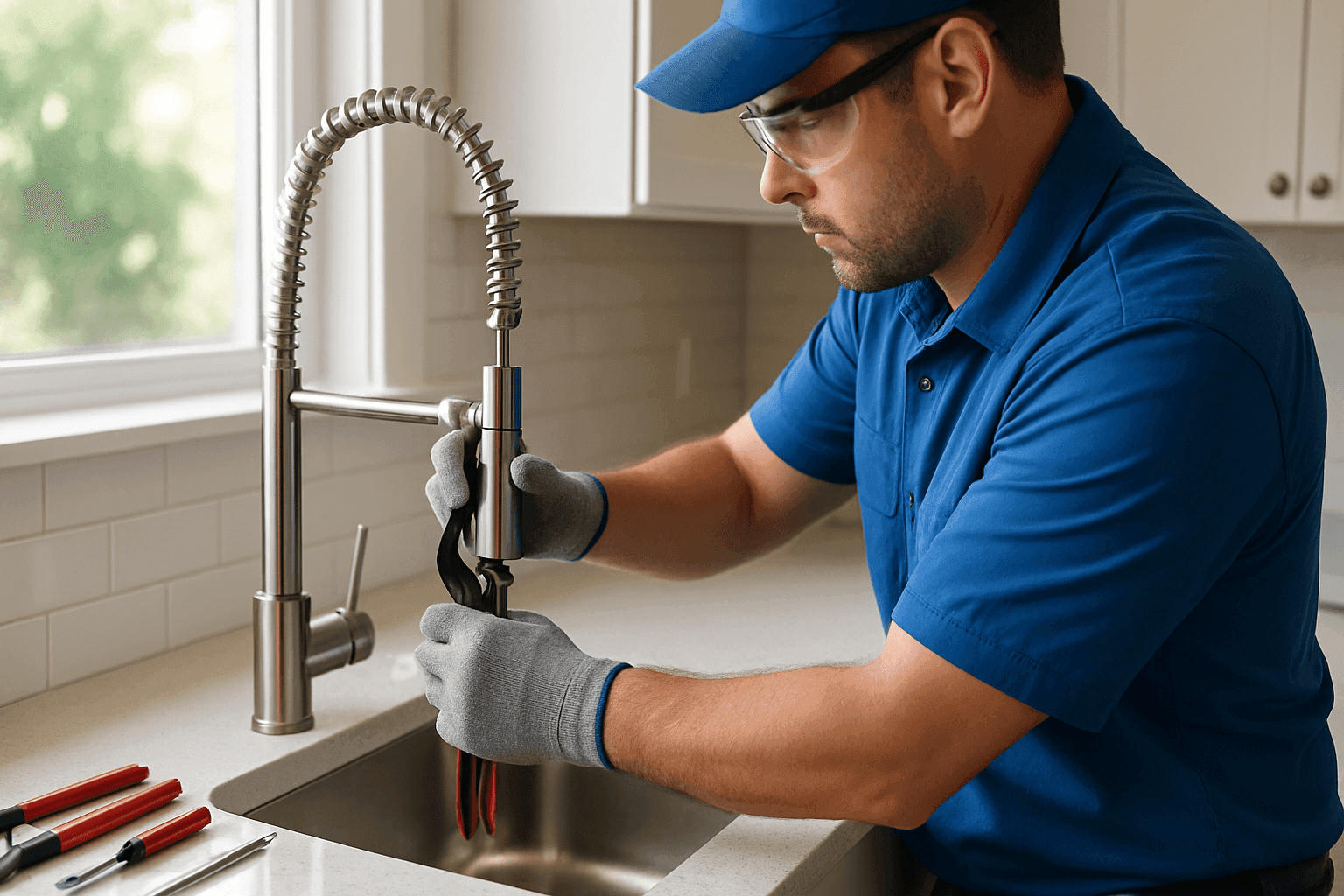
Is your kitchen starting to sound like a leaky faucet orchestra? Or maybe you've noticed the sink draining slower than a lazy river. Kitchen plumbing issues sneak up on everyone—especially when you least expect it. Down to Earth Plumbing helps homeowners just like you tackle the mess, so you can get back to what matters: family, food, and peace of mind.
We know how urgent kitchen headaches can feel. Water where it shouldn’t be. Pipes groaning like an old ship. But acting fast (and smart) can make all the difference. Let's break down what goes wrong, how to fix it, and when it’s time to call for emergency plumbing help.
Most Common Kitchen Plumbing Issues 🚰
Kitchens are busy battlegrounds. Over time, even the sturdiest pipes and fixtures face wear and tear. Here’s what we see most often:
1. Leaks: The Silent Drip
- Under-sink puddles: Often caused by worn seals, cracked pipes, or loose fittings.
- Leaky faucets: Those tiny drips waste water and ramp up your bill.
- Dishwasher leaks: Poor connections or clogged filters.
2. Clogs: The Kitchen Traffic Jam
- Slow drains: Usually from grease, food scraps, or coffee grounds building up.
- Full-on blockages: When nothing (not even water) moves.
- Garbage disposal jams: Hard items or too much at once can freeze the blades.
3. Low Water Pressure: The Kitchen Sigh
- Trickling faucets: Mineral buildup or hidden leaks.
- Inconsistent spray: Aerator clogs or old supply lines.
Seasonal Triggers
- Holiday cooking: Extra food, grease, and guests mean more stress on pipes.
- Summer: Melty fats and cold water can conspire to cause sneaky clogs.
Quick Safety Checklist
Before you touch anything, hit pause. A few seconds of caution can save hours of hassle.
- Turn off the water supply: Know where your kitchen shutoff valves are.
- Unplug appliances: Safety first—especially near water.
- Check for electrical hazards: Wet outlets or cords? Step back and call a pro.
- Don’t use chemical drain openers: They can damage pipes and are unsafe for homes with children or pets.
- Look for signs of mold or mildew: These may signal a bigger, hidden leak.
Tip: The International Plumbing Code (IPC) recommends accessible shutoff valves for all fixtures. Get familiar with yours.
DIY Troubleshooting Steps (When to Try It Yourself)
Some problems are like loose shoelaces. You can tighten them up yourself.
For Leaks
- Tighten visible connections: Use a wrench, but don’t overtighten.
- Replace worn washers: Especially in faucets.
- Catch drips: Place a bowl under the leak to limit water damage until fixed.
For Clogs
- Plunge the sink: A few good, steady pumps can clear light blockages.
- Try a drain snake: For deeper, stubborn clogs.
- Clean the P-trap: Put a bucket underneath, unscrew the trap, and clear debris.
For Low Pressure
- Unscrew the faucet aerator: Rinse it to remove buildup.
- Check supply valves: Make sure they’re fully open.
If you smell gas or see water pooling fast, skip the DIY. Call for emergency plumbing help immediately.
Pro Repair Solutions
Sometimes, kitchen problems are like knots you just can’t untangle on your own. Here's what a Down to Earth Plumbing technician brings to the table:
- Leak detection: Using moisture meters and thermal imaging to track hidden leaks.
- Camera inspections: For sewer lines and deep drain problems.
- Pipe repairs and replacements: Swapping out damaged sections or repiping if needed.
- Fixture upgrades: Installing new faucets, garbage disposals, or supply lines.
- Backflow prevention: Ensuring dirty water doesn’t flow back into your clean supply.
- Water filtration system checks: Ensuring your family gets clean, safe water.
According to local building codes (refer to your municipal authority), all repairs must use certified materials and proper techniques to protect your home’s safety.
Preventing Future Problems 🛡️
An ounce of prevention really is worth a pound of repair.
- Regularly clean drains: Avoid pouring grease, coffee grounds, or fibrous foods down the sink.
- Run hot water: After each use, to help keep pipes clear.
- Schedule Preventative Maintenance near you: Annual checkups catch problems before they grow.
- Install mesh drain screens: Small investment, big payoff.
- Check hoses and connectors: Especially for dishwashers and refrigerators.
The Environmental Protection Agency (EPA) suggests annual leak checks to save water and prevent bigger headaches.
Costs & Time Factors
Every kitchen plumbing problem is a little different. Here’s what usually affects cost and repair time:
- Severity: Minor clogs may take under an hour. Major leaks or repiping can take a day or more.
- Parts needed: Simple fixes (washers, hoses) are fast. Big jobs (new sink, repiping) take longer.
- Access: Hard-to-reach pipes or fixtures add time.
- Emergency plumbing: After-hours or holiday calls may cost more due to urgency.
When It’s an Emergency
Some plumbing issues can wait. Others can’t. Here’s when to pick up the phone—fast:
- Flooding: Water is spreading quickly or can’t be stopped.
- Sewage backup: Bad smells, slow drains, or waste coming up the sink.
- Gas smell: Leave the house and call for help. This is a safety risk.
- No water at all: Could signal a major supply line break.
The National Fire Protection Association (NFPA) and local codes require gas line work to be handled by licensed professionals only.
FAQ
How can I tell if a leak is serious?
Any leak that soaks cabinets, floors, or walls—or keeps coming back—needs immediate attention. Hidden leaks often cause mold and structural damage.
Are chemical drain cleaners safe?
No. They can eat away at pipes, especially older ones, and create dangerous fumes. Stick to mechanical methods or call for professional drain cleaning.
How often should I schedule preventative maintenance?
Once a year is a good rule of thumb. After big family gatherings or holidays, a quick checkup is wise too.
What if my garbage disposal smells bad?
Try grinding ice and citrus peels to clean the blades. If the smell sticks around, the problem could be deeper in the drain.
Local & Seasonal Considerations 🌦️
Life in the kitchen changes with the seasons. So do plumbing problems.
- Winter: Cold snaps can freeze pipes under the sink. Open cabinet doors to let warm air in.
- Summer: More outdoor cooking means more grease and scraps—watch what goes down the drain.
- Holidays: Big family meals put extra pressure on sinks and disposals. Remind guests what not to flush or grind.
For specific code questions or safety guidelines, consult your local building department or the International Residential Code (IRC).
Kitchen plumbing problems don’t have to ruin your day—or your dinner. Whether you’re facing a stubborn leak or a full-blown flood, Down to Earth Plumbing is ready to help with repairs, Preventative Maintenance near you, and real solutions that last.
Call Down to Earth Plumbing now — or reach us anytime at 888-488-8509 .