Pipe Repair 101: Signs, Methods & When to Call a Pro
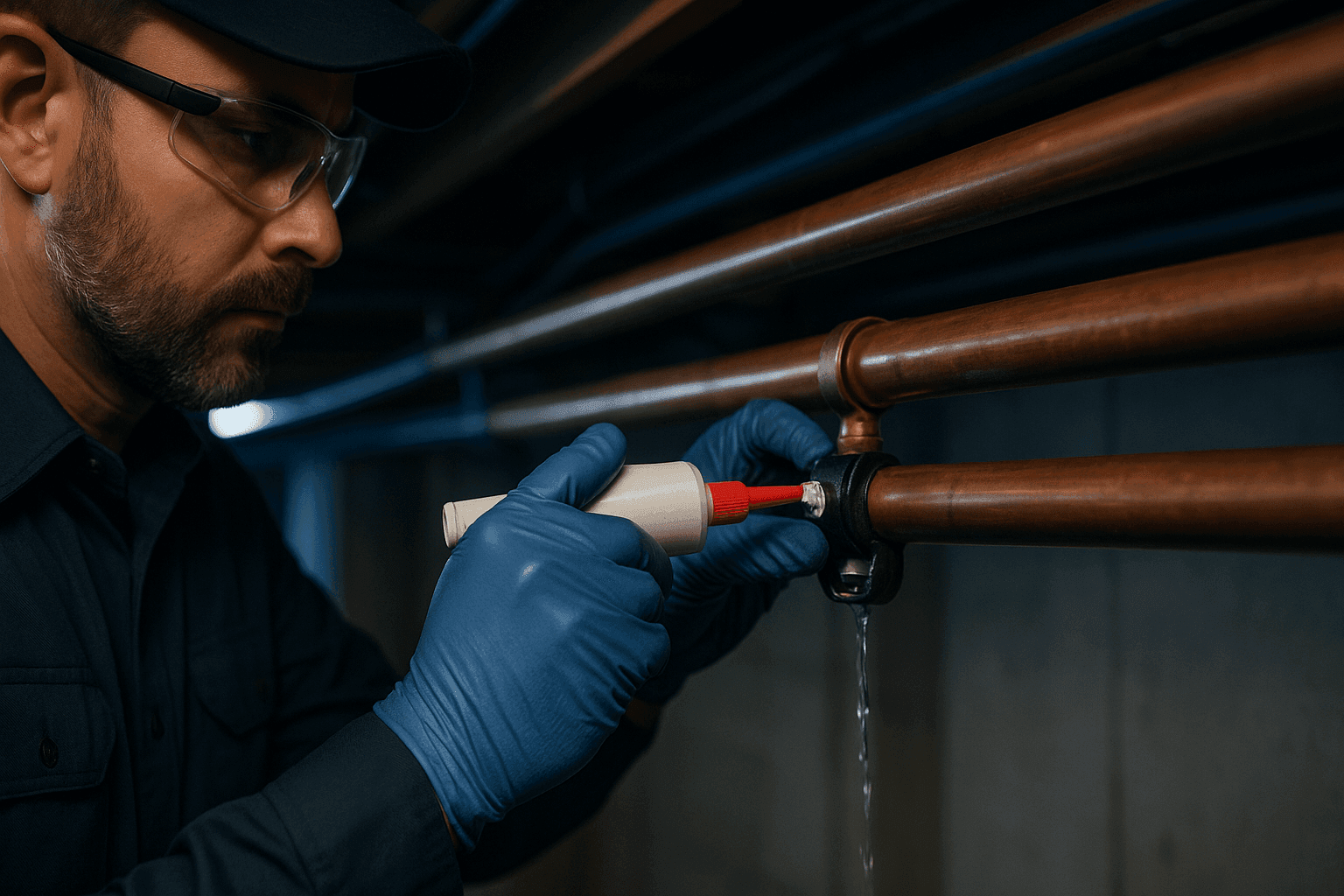
When water starts dripping from a hidden corner of your home, it’s more than just a small mess. It’s a domino effect—one leaky pipe can lead to water damage, mold, and a mountain of stress. At Down to Earth Plumbing, we see it every day, and we know how quickly a minor issue can turn into a household headache.
You want fast answers, honest advice, and someone who treats your home like their own. Let’s break down how to spot pipe trouble, fix what you can safely, and know exactly when to call in emergency plumbing help.
Signs a Pipe Needs Repair 🚰
Your home’s plumbing is like its veins—any leak or blockage throws off the whole system. Here’s what to watch for:
- Visible leaks or drips
Spot water pooling under sinks, behind toilets, or along basement walls? That’s your first red flag. - Water stains or discoloration
Brown, yellow, or gray stains on ceilings or walls often signal a hidden leak above. - Low water pressure
If your shower suddenly feels weak or faucets sputter, a compromised pipe could be the culprit. - Unusual sounds
Hear banging, whistling, or gurgling from the pipes? Air or water is forcing its way through an obstruction or crack. - Musty odors
Persistent damp smells hint at moisture lurking where it shouldn’t.
These symptoms can start small but grow quickly. The earlier you notice, the less damage (and cost) you’ll face.
Quick Safety Checklist Before You Start
Pause. Before grabbing tools or poking around pipes, keep safety front and center:
- Shut off water supply at the main valve—usually in the basement or utility room.
- Unplug electrical appliances near the leak to avoid shocks.
- Wear gloves and safety glasses to protect from sharp edges or dirty water.
- Keep children and pets away from the affected area.
- Check for mold—if you see black or green spots, consider professional cleanup.
The International Association of Certified Home Inspectors (InterNACHI) notes that swift action is key to minimizing water damage and health risks.
Temporary DIY Fixes: What’s Safe to Try?
Sometimes you just need to stop the drip until help arrives. Here’s what’s usually safe for homeowners:
- Wrap with rubber and tape:
Use a piece of rubber (like an old hose) and heavy-duty tape to seal small pinhole leaks. - Pipe repair clamps:
These metal sleeves fit around the pipe and can hold back leaks temporarily. - Epoxy putty:
For cracks or small holes, knead and apply plumber’s epoxy to create a water-resistant seal.
Never use open flames (like a blowtorch) or attempt major repairs on gas or sewer lines. If you’re unsure, it’s always better to wait for a licensed plumber.
Professional Repair Methods: What to Expect
When you call Down to Earth Plumbing, we arrive ready for anything. Here’s how the pros tackle pipe repairs:
- Inspection and leak detection:
Using moisture meters, thermal cameras, or acoustic listening devices, we find the exact source—even behind walls. - Pipe clamps and sleeves:
For minor leaks, high-quality clamps can be a long-term solution. - Epoxy lining:
Some pipes can be relined from the inside with food-safe epoxy, restoring strength and stopping leaks without major demolition. - Pipe replacement:
Severely damaged or corroded sections are cut out and swapped for new pipe, following local plumbing codes. - Repiping:
In older homes, widespread leaks may mean replacing entire sections—this ensures lasting reliability and improved water pressure.
Licensed plumbers follow the Uniform Plumbing Code (UPC) or local equivalents, ensuring every repair meets strict safety and quality standards. Down to Earth Plumbing is fully licensed and insured, giving you peace of mind from start to finish.
Preventing Recurring Leaks
Think of plumbing maintenance like brushing your teeth—regular care now saves bigger headaches later. Here’s how to keep leaks at bay:
- Schedule routine inspections
Annual checkups catch early signs of wear, corrosion, or loose fittings. - Insulate exposed pipes
Especially before winter, to prevent freezing and bursting. - Check water pressure
High pressure stresses pipes. Install a pressure regulator if needed; most homes do best at 40–60 psi. - Replace old pipes
Galvanized steel, polybutylene, or lead pipes are prone to failure—consider upgrading to copper or PEX. - Don’t ignore slow drains
Blockages increase pressure and can split pipes at weak points.
Looking for “Preventative Maintenance near you”? A little bit of regular attention from a pro can save thousands in emergency plumbing repairs.
DIY vs. Call a Pro
Safe for DIY
- Tightening a loose fitting
- Replacing a faucet washer or aerator
- Applying temporary tape or epoxy to a pinhole leak
Call a Pro If:
- The leak is near electrical wiring or panels
- Pipes are hidden behind walls, ceilings, or floors
- There’s major water pooling or flooding
- Pipes are making loud, repeated noises (like banging or hissing)
- You smell gas or suspect a gas line issue
Remember, emergency plumbing isn’t just about speed—it’s about safety for your home and family.
What Pros Do On Arrival
Expect a clear, methodical approach:
- Assessment
We locate the main water shutoff and evaluate the area for safety hazards. - Diagnosis
Using non-invasive tools, we pinpoint the leak or break’s exact location. - Repair
Depending on the issue, we clamp, patch, or replace the damaged section, following code. - Testing
Water is turned back on, pressure-tested, and checked for new leaks. - Cleanup & Advice
We remove debris and provide tips to help prevent future trouble.
Licensed plumbers carry insurance to protect your property and follow all local regulations.
Prevention & Maintenance Tips
- Install water leak sensors under sinks, near water heaters, and in basements.
- Flush water heaters annually to remove sediment that can clog pipes.
- Don’t use chemical drain cleaners—they eat away at pipes over time.
- Monitor your water bill for unusual spikes, which can signal hidden leaks.
Check resources like the Environmental Protection Agency (EPA) for recommendations on water-saving and safe plumbing practices.
Costs & Time Factors
Pipe repair costs and time frames vary based on:
- Location of the leak:
Exposed pipes are faster and cheaper to fix than ones hidden behind walls or under slabs. - Extent of damage:
A small patch job can take an hour, while full repiping may span several days. - Materials needed:
Older or specialty pipes might require custom solutions.
While we can’t quote specifics here, most minor repairs are resolved within a day. Emergency plumbing services often cost more after hours or on holidays.
When It’s an Emergency
Some situations just can’t wait:
- Burst pipe with major flooding
- Water spraying near electrical outlets or appliances
- Sewage backup or strong sewage odors
- Suspected gas leaks
If you’re facing any of these, shut off the main water (and gas, if needed) and call Down to Earth Plumbing immediately.
FAQ
How do I find the main water shutoff?
Usually, it’s where the water line enters your home—often in the basement, crawlspace, or utility closet. It’s a round or lever-style valve.
Is it safe to use my water after a pipe repair?
Once the repair is finished and the water is back on, run cold water for a few minutes to flush any debris. If you notice discoloration, keep flushing until clear.
Why do my pipes keep leaking?
Common reasons include old age, high water pressure, or poor previous repairs. Regular preventative maintenance can catch these problems early.
Can I use duct tape on a leaking pipe?
While duct tape can slow a leak, it’s not a long-term fix. Use pipe repair tape or call a professional for a reliable solution.
Local/Seasonal Considerations
Winter’s freeze-thaw cycles are tough on pipes—insulate exposed plumbing before the first cold snap. In older homes, seasonal settling can loosen joints and create leaks, so schedule inspections after harsh weather or heavy rains.
If you’re searching for “emergency plumbing” or “pipe repair near me,” remember: fast, professional help is just a call away.
Call Down to Earth Plumbing now — or reach us anytime at 888-488-8509 .