How to Prevent Plumbing Leaks: Essential Tips for Homeowners
Life moves fast. The last thing anyone wants is a plumbing leak turning a peaceful evening into a soggy, expensive mess. At Down to Earth Plumbing, we've seen how small drips can quickly become big problems—especially when the seasons shift.
Preventing leaks is about more than saving money. It's about peace of mind. It's about protecting your home, your family, and the things you can't replace. Here’s what every homeowner needs to know.
Why Leaks Happen 💧
Leaks are like uninvited guests. They show up quietly, often unnoticed, and cause trouble when you least expect it.
Common causes of household leaks:
- Aging pipes: Like bones, pipes grow brittle with time. Corrosion and material fatigue can lead to cracks or pinhole leaks, especially in older homes.
- Water pressure: Too much pressure is like a river against a dam—eventually, something gives way. Pipes, joints, and fixtures are all vulnerable.
- Temperature swings: Freezing winters and sudden thaws can make pipes contract and expand, raising the risk of splits.
- Hard water: Mineral buildup acts like cholesterol in your plumbing’s arteries. Over time, it stresses seals and causes tiny leaks.
- Clogged drains: Blockages force water—and sometimes waste—backwards, turning small pipe weaknesses into full-blown bursts.
- Poor installation: Even the best materials can fail if not installed right. Loose fittings, unsealed joints, or DIY shortcuts can spell disaster.
Understanding these root causes is the first step toward a leak-free home.
Seasonal Leak Prevention
Seasons change. So do plumbing risks.
Winter: Freeze-Proof Your Pipes
Cold snaps are notorious for bursting pipes. Water expands as it freezes—sometimes with enough force to split even sturdy pipes wide open.
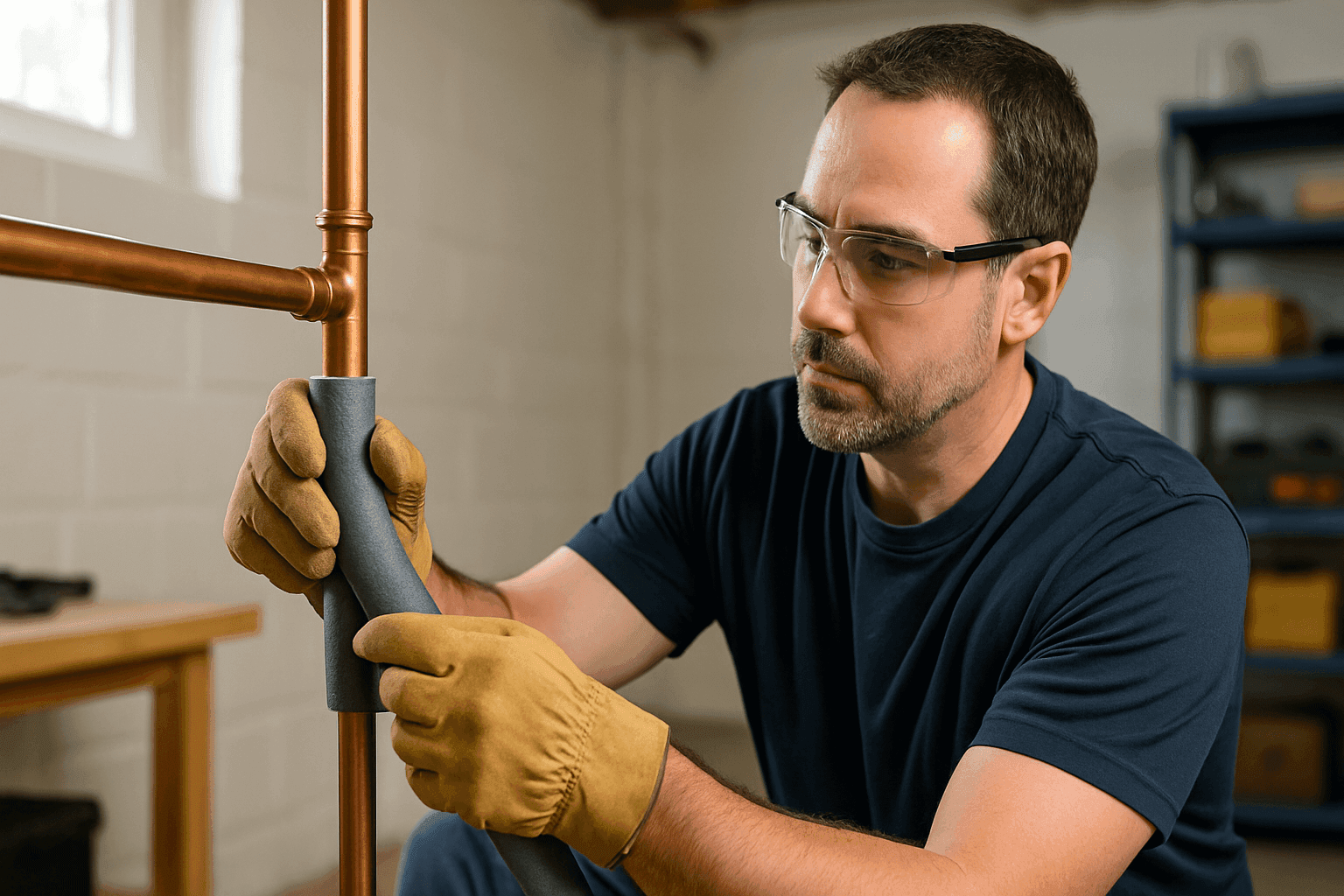
- Insulate exposed pipes: Focus on unheated areas—basements, crawl spaces, garages, and exterior walls.
- Let faucets drip: Running water, even at a trickle, keeps pipes from freezing solid.
- Open cabinet doors: Allow warm air to circulate around sinks, especially those on exterior walls.
Storms & Heavy Rain
Storms can overwhelm drains and sump pumps, forcing water into places it doesn’t belong.
- Test your sump pump: Pour a bucket of water into the pit to make sure it kicks on.
- Clean gutters and downspouts: Direct water away from your home’s foundation.
- Inspect basement walls: Look for signs of moisture and address them before the next deluge.
Going on Vacation
An empty house is vulnerable to leaks that no one notices.
- Shut off the water main: If possible, turn off your home’s water supply before leaving.
- Ask a neighbor to check in: A quick walk-through can catch problems early.
- Set your thermostat: Don’t let your house drop below 13°C (55°F) in winter.
Simple DIY Maintenance
You don’t need a toolbox the size of your car to keep leaks at bay. A few habits and small fixes go a long way.
Insulate Your Pipes
Foam pipe sleeves are inexpensive and easy to install. Focus on pipes in unheated areas and those near exterior walls.
Replace Worn Washers and Gaskets
A dripping faucet is usually a worn washer. Ten minutes and a wrench can save hundreds in water bills and damage.
Use Strainers in Sinks
Catch hair, food, and debris before they can clog and stress your pipes.
Check Toilet Tanks
A running toilet can waste thousands of litres and weaken seals. Use a few drops of food coloring in the tank—if it seeps into the bowl without flushing, it’s time for a new flapper.
Regularly Inspect Flexible Hoses
Appliance hoses (washing machines, dishwashers) fail more often than you think. Replace them every 5 years or at the first sign of bulging or cracking.
Warning Signs of Imminent Leaks 🚨
Leaks rarely happen without warning. The clues are often subtle—until they aren’t.
Watch for:
- Damp spots: Walls, ceilings, or floors that feel wet, even if you don’t see a puddle.
- Mold or mildew: Persistent musty smells or visible growth.
- Unexplained water bills: A sudden spike often means water is escaping somewhere.
- Peeling paint or wallpaper: Moisture loosens adhesives and causes bubbling.
- Sounds of running water: When all taps are off, this is a red flag.
Don’t ignore these signs. Water damage can escalate quickly.
When to Call a Pro
Some jobs are best left to those with the right tools and training.
Call Down to Earth Plumbing for:
- Burst pipes and major leaks
- Sewer line backups or foul odors
- No water or very low pressure throughout the home
- Persistent leaks after DIY fixes
- Water near electrical outlets or panels
Trying to fix complex leaks yourself can make things worse—or even unsafe. We have the equipment for leak detection, repiping, and emergency plumbing, 24/7.
Local & Regional Risks
Where you live affects your risk for plumbing leaks.
- Freeze-prone areas: Older homes without pipe insulation are at high risk during cold snaps. Follow local building codes for pipe insulation thickness (see the National Plumbing Code of Canada or the International Plumbing Code for US readers).
- Hard water regions: Areas with mineral-heavy water see more wear in pipes, heaters, and fixtures. Consider installing a water filtration or softening system.
- Storm-prone zones: Sump pumps, backflow prevention devices, and regular sewer line inspections are a must.
Ask about Preventative Maintenance near you—regular check-ups catch small issues before they become emergencies.
Extra Tips for Leak-Free Living
- Know your shut-off valves: Every adult in the house should know where the main water shut-off is and how to use it.
- Test your water pressure: Most homes do best at 40–60 psi. Too high? Install a pressure-reducing valve.
- Schedule annual inspections: A quick look from a plumber can save a fortune down the line.
Frequently Asked Questions
What should I do if I find a small leak?
Turn off the water supply to that fixture, clean up any standing water, and call for help if you can’t stop the leak or if it’s near electrical wiring.
Are chemical drain cleaners safe to use?
Use them sparingly, if at all. They can corrode older pipes and harm your plumbing over time. Mechanical methods (like plungers or drain snakes) are safer.
How often should I inspect my home for leaks?
A seasonal check (four times a year) is a good rule—especially before temperature extremes or big storms.
Is insurance likely to cover water damage from leaks?
Most policies cover sudden, accidental leaks but not gradual damage from neglected maintenance. Check your policy or ask your provider for details.
When to Treat It Like an Emergency 🆘
Some leaks just can’t wait.
- Water is pouring or spraying into your home
- You smell gas near appliances or pipes (leave the area and call emergency services!)
- Sewage is backing up into sinks, tubs, or toilets
- Water is coming through light fixtures or outlets
In these cases, shut off your water main and call for emergency plumbing right away.
The Bottom Line on Leak Prevention
Plumbing leaks don’t have to be a fact of life. With a few simple steps and a little seasonal attention, you can keep your home safe, dry, and comfortable all year long.
If you spot warning signs or want peace of mind before winter or storm season, help is just a call away.
Call Down to Earth Plumbing now — or reach us anytime at 888-488-8509 .