What to Expect from Professional Drain Cleaning Services
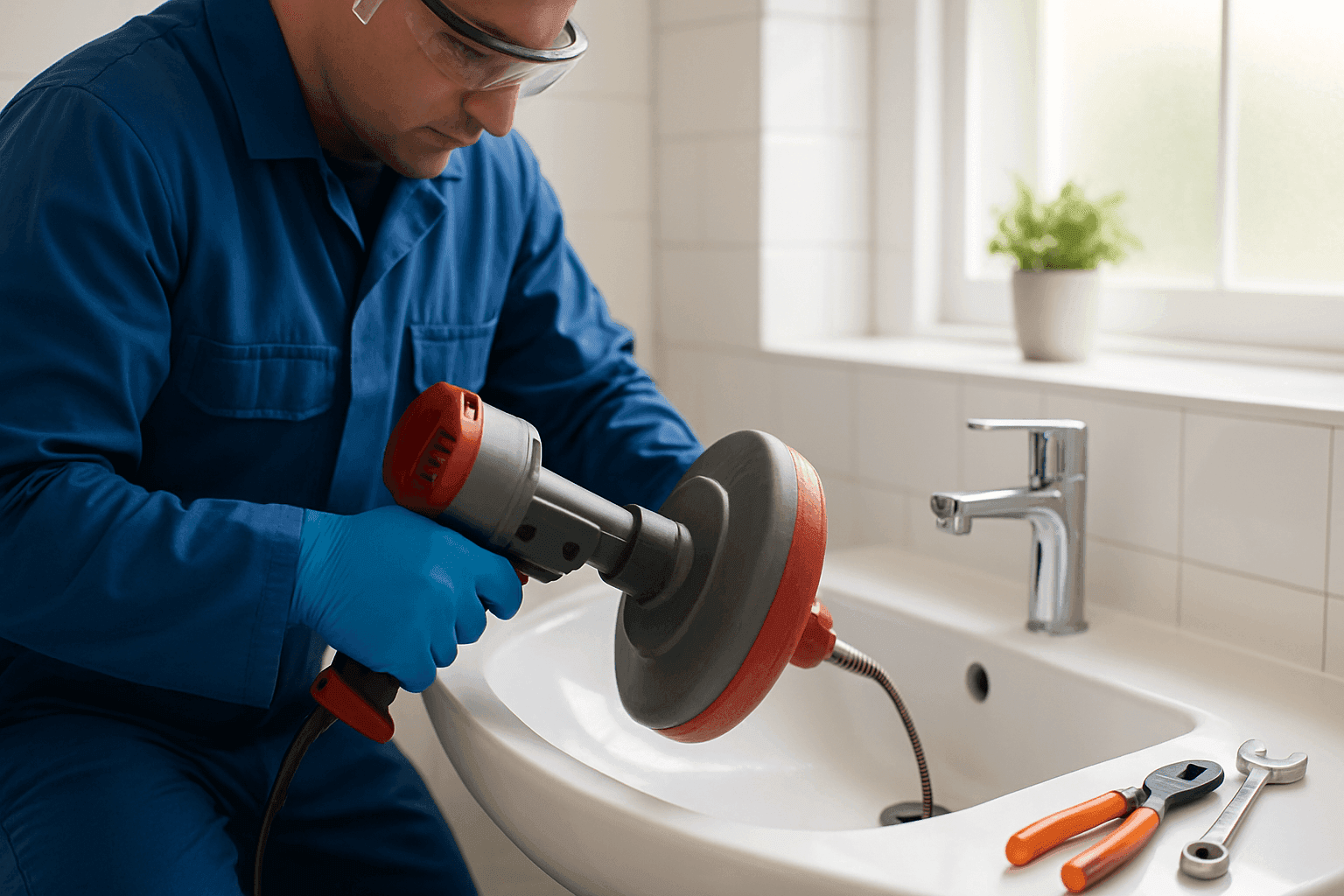
Your home's drains never take a day off. When they’re flowing, you don’t think twice. But when sinks gurgle or toilets bubble, life gets messy fast. Whether it's a slow kitchen sink, a stubborn shower drain, or a full-blown backup, Down to Earth Plumbing understands the stress—and the urgency.
We help families every day with emergency plumbing and Preventative Maintenance near you. Here’s what you should expect from professional drain cleaning services, and how to decide if now is the right time to call in the pros.
Signs You Need Drain Cleaning 🚩
Some warnings are subtle, others slap you in the face. Here’s what to watch for:
- Slow draining water: Shower puddles that linger, sinks that won’t clear.
- Frequent clogs: Having to plunge a toilet or sink more than once a season.
- Bad smells: Musty, rotten, or sewer-like odors floating up from drains.
- Gurgling sounds: Pipes should be quiet. Gurgles mean trapped air or partial blockages.
- Backups: Water bubbling up where it shouldn’t—like the tub when you flush the toilet.
- Fruit flies or gnats: Tiny pests drawn to organic build-up in drains.
- Standing water: Water pooling in the basement or utility sink after storms.
If you spot any of these, it’s time to take action. Some issues, especially with sewer lines or multiple drains at once, mean you shouldn’t wait.
How Pros Clean Drains
You might imagine a plunger or a bottle of store cleaner. Professionals go way beyond that.
Tools of the Trade
- Drain snakes (or augers): Think of these as long, flexible corkscrews. They twist through pipes, breaking up and pulling out clogs.
- Motorized drain machines: For larger blockages, powered snakes tackle deep, stubborn clogs in main lines.
- Hydro-jetting: High-pressure water jets blast away years of grease, mineral buildup, and even small tree roots. It’s like power-washing your pipes from the inside.
- Video inspection cameras: Tiny, waterproof cameras let plumbers see exactly what’s inside your pipes, spot hidden issues, and make precise repairs.
Typical Duration
- Most single-drain cleanings take under an hour.
- Deeper problems (main line blockages, root invasions) might take a few hours.
- Video inspections and hydro-jetting add time, but save headaches later.
What’s Included in the Service
Every home is unique, so the process can shift. Here’s a “before and after” snapshot:
Before:
- Slow or plugged drains.
- Unpleasant odors.
- Standing water or backups.
- Confusion about what’s wrong.
After:
- Drains flowing quickly and quietly.
- Fresh-smelling kitchens and baths.
- Peace of mind knowing hidden problems have been checked.
- Advice on keeping things clear.
A professional drain cleaning visit usually includes:
- Careful assessment of problem areas.
- Camera inspection (if needed).
- Mechanical cleaning (snakes, augers, or hydro-jetting).
- Checking for pipe damage, leaks, or root intrusion.
- Cleanup of any messes made during the process.
- Guidance on Preventative Maintenance near you.
What to Ask Your Plumber
Don’t be shy. Knowledge is power. Here are key questions to get real answers:
- What caused the blockage? (Grease, hair, roots, foreign objects?)
- Could this problem return soon?
- Did you see any damage to the pipes?
- Will a camera inspection help prevent surprises?
- Do you recommend hydro-jetting, or is a snake enough?
- What can I do to help prevent this in the future?
- Are there local code requirements I should know? (Such as backflow prevention, from the International Plumbing Code)
A trustworthy plumber will walk you through the details. They’ll show you camera footage if available, and explain each step.
How to Maintain Clear Drains 🧼
Most clogs are preventable. Here’s how to keep your pipes flowing:
- Don’t pour grease down the drain. Let it cool and toss it in the trash.
- Use drain screens in showers and sinks to catch hair and food scraps.
- Flush only toilet paper. Wipes, hygiene products, and paper towels clog pipes fast.
- Limit garbage disposal use. Avoid putting fibrous foods (celery, potato peels) or coffee grounds in the disposal.
- Run hot water after each use to flush out soap and debris.
- Schedule Preventative Maintenance near you—an annual cleaning keeps surprises at bay.
- Watch for trees near sewer lines. Roots seek water and cause blockages.
DIY Drain Cleaning vs. Professional Help
It’s tempting to try a plunger or a bottle of drain cleaner. Here’s why that’s not always enough:
DIY
- Good for: Small, recent clogs (like hair in the shower).
- Risks: Store-bought chemicals can damage pipes, harm the environment, and don’t work on stubborn blockages.
- Limitations: Can’t reach deep clogs, roots, or broken pipes.
Professional
- Good for: Deep, recurring, or multi-drain issues.
- Benefits: Advanced tools, experience, camera inspections, and safer methods.
- Peace of mind: Problems are solved at the source, not just temporarily masked.
Sometimes DIY is fine. But when you’re facing a stubborn clog, repeated backups, or foul odors, it’s time to call for emergency plumbing.
Local Issues: Tree Roots & Hard Water
Every area has its plumbing quirks. Two big ones:
Tree Roots
Older sewer lines, especially those made from clay or cast iron, are magnets for roots. Tiny cracks let in water, and roots quickly follow—blocking pipes and even cracking them wider. Hydro-jetting and rooter machines clear roots, but recurring problems mean it’s time to talk about sewer line repair or replacement.
Hard Water
If your faucets build up white or greenish scale, your pipes are probably collecting it too. Hard water leaves mineral deposits that narrow pipes and trigger slow drains. Water filtration systems can help prevent these headaches and keep your plumbing system healthy.
What to Expect When a Pro Arrives
Here’s how the visit usually goes:
- Arrival and Assessment: The plumber will ask questions about the issue and inspect the problem area.
- Set Up: Protective mats or shoe covers keep your home clean.
- Inspection: They’ll use specialized tools to diagnose the clog and recommend a solution.
- Mechanical Cleaning: Snakes, augers, or hydro-jetting tackle the clog.
- Camera Inspection: If the problem’s deeper, a camera helps pinpoint trouble spots.
- Cleanup: No mess left behind.
- Advice: Tips on Preventative Maintenance near you and honest answers about your pipes.
How Long Does Drain Cleaning Take? ⏱️
- Simple clogs: 30–60 minutes.
- Complex jobs: 1–3 hours (including main line cleaning or root removal).
- Camera inspections: Usually 30 minutes extra.
Multiple drains or sewer line issues may need more time. Your plumber should always explain the timeline before starting.
When It’s an Emergency
Some problems can’t wait:
- Sewage backups: Any waste coming up in sinks, tubs, or toilets.
- Flooding: Water pouring into your home.
- No drainage at all: All fixtures stopped up.
If you’re facing these, call for emergency plumbing right away. Quick action prevents water damage, health hazards, and expensive repairs.
Frequently Asked Questions
How often should I get my drains cleaned?
Most homeowners benefit from an annual cleaning, especially in homes with older pipes or lots of trees nearby.
Are chemical drain cleaners safe?
No. Many cause pipe corrosion, environmental harm, and don’t fix deeper clogs.
Can I pour boiling water down my drains to clear clogs?
Boiling water sometimes helps with grease, but it can damage PVC pipes or loosen joints. Use hot (not boiling) water with caution.
What if I have old pipes?
Older pipes (cast iron, clay) are more prone to root intrusion and corrosion. Regular inspections and cleaning are especially important.
Seasonal and Local Considerations 🌳
- Spring: Melting snow and rain can overwhelm outdoor drains and reveal hidden clogs.
- Summer: Tree roots are most aggressive, seeking water in dry spells.
- Fall: Leaves and debris clog exterior drains and gutters, causing backups.
- Winter: Frozen pipes can cause blockages and burst lines. Know where your main shutoff valve is.
If your neighborhood is known for hard water or mature trees, ask about tailored Preventative Maintenance near you. Local codes (like annual backflow testing) may also apply—your plumber should be familiar with these and follow guidelines from sources like the International Plumbing Code.
A clear drain is a happy home. If you’re seeing the signs, don’t wait—get ahead of big problems. For fast, professional drain cleaning or emergency plumbing you can rely on, Call Down to Earth Plumbing now — or reach us anytime at 888-488-8509 .