Sump Pump Failure: Top Causes and How to Prevent Flooding
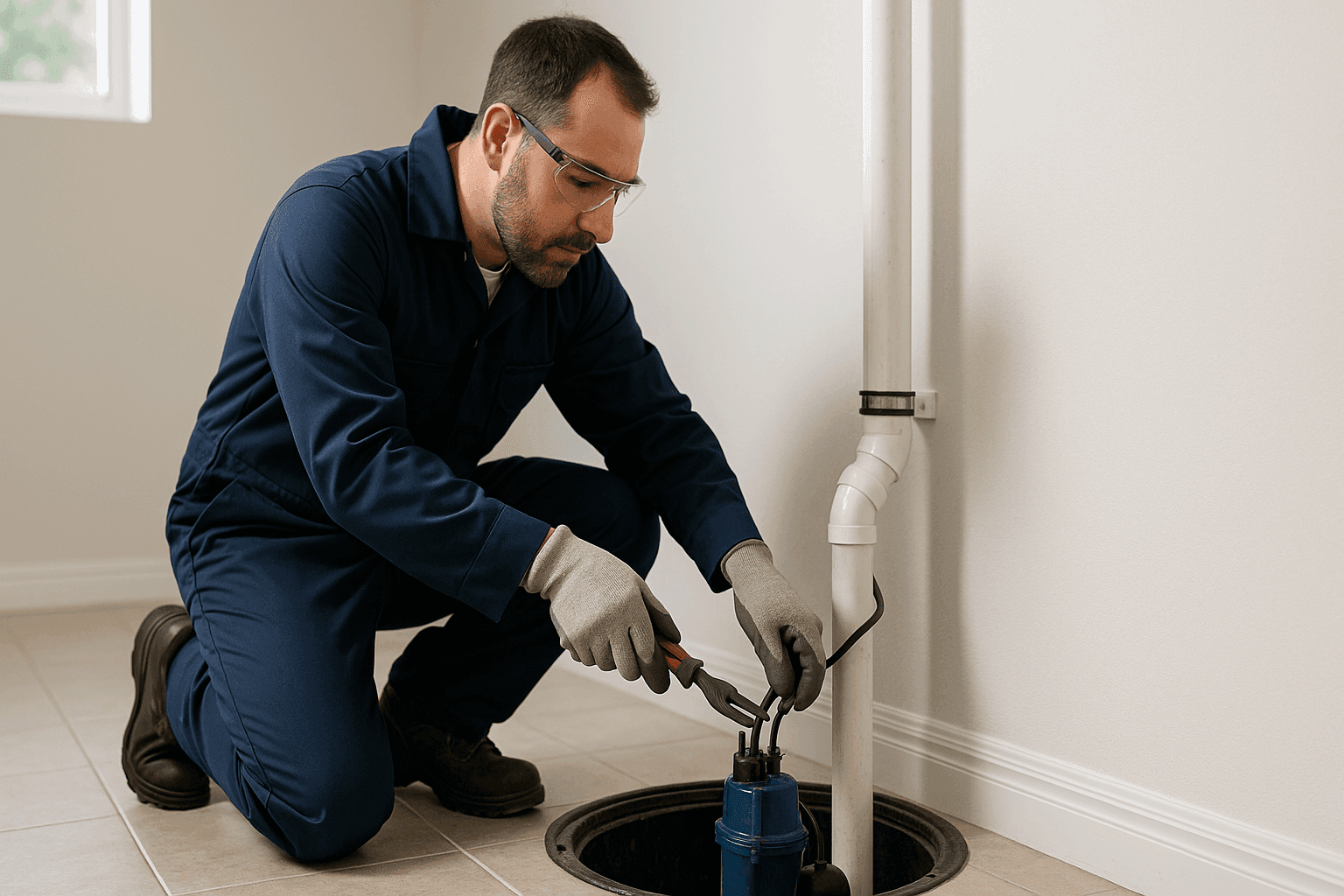
When a storm hits, your sump pump is the unsung hero standing between your basement and a rising tide of water. But what happens if it fails? The worry isn’t just about a puddle—it's about ruined belongings, damaged walls, and weeks of stress.
At Down to Earth Plumbing, we see the aftermath of sump pump breakdowns every week. We know the headaches they cause. We also know most failures are preventable with a little knowledge and the right touch of preventative maintenance near you.
How Sump Pumps Work 🌀
Picture your sump pump as a tireless sentry, stationed in a pit at the lowest point of your basement. Its job? To leap into action when water starts to collect, pumping it safely away from your home’s foundation.
Here’s what happens:
- Rain or groundwater flows into the sump pit.
- When the water rises to a certain level, a float switch triggers the pump.
- The pump sends water out, usually through a pipe leading far from your house.
If all’s well, you never notice. But if anything in this chain snaps, water starts to win the battle—and your basement pays the price.
Common Failure Points
Why do sump pumps let us down? It’s often the simple things. Here are the top culprits:
- Power Outages: No electricity, no pumping. Heavy storms often mean both flooding and power loss—a double whammy.
- Stuck or Failed Switches: The float switch is like a light switch for your pump. If it jams or wears out, the pump never turns on.
- Clogged or Frozen Discharge Lines: Blocked pipes mean water backs up, and the pump can’t do its job.
- Debris in the Pit: Dirt, gravel, and other gunk can jam moving parts, burning out the motor.
- Old Age: Most sump pumps last 7–10 years. Past that, reliability drops fast.
- Improper Installation: A pump that’s too small, poorly plumbed, or installed without a check valve is prone to fail.
A sump pump is a bit like a smoke alarm—it should work every time, but you only notice it when it doesn’t.
Signs Your Sump Pump Needs Repair
Not sure if your sump pump is in good shape? Watch for these red flags:
- Strange noises: Grinding, rattling, or thumping usually means mechanical trouble.
- Frequent running: The pump cycles on and off too often, even when dry outside.
- Runs but doesn’t pump water: The motor hums, but the water level doesn’t drop.
- Visible rust or corrosion: Metal parts look worse for wear—especially near electrical connections.
- Musty smell or dampness: The pit should be dry when it’s not raining. Odors can mean slow leaks or hidden failures.
Don’t wait for disaster. If you notice any of these, it’s time for a checkup.
Seasonal Maintenance Checklist ✅
Regular maintenance keeps your sump pump ready for action. Set a reminder—especially before spring rains or storm season:
- Test the pump: Pour a bucket of water into the pit. Watch to see if it turns on and drains.
- Clean the pit: Remove debris, dirt, and any obstructions.
- Check the float: Make sure it moves freely and isn’t stuck.
- Inspect the power supply: Confirm the pump is plugged in and the cord isn’t damaged.
- Examine the discharge line: Look for clogs, freezing, or signs of leaks.
- Listen for odd sounds: Unusual noises are early warning signs.
- Backup power: Consider a battery backup or water-powered backup pump for storm outages.
The U.S. Federal Emergency Management Agency (FEMA) recommends checking your sump pump at least once every three months and before major weather events.
When to Replace or Repair
Every sump pump has an expiration date. Here’s when to act:
- More than 7 years old: Replacement is often safer than repair.
- Frequent repairs: If it breaks down often, a new unit is a better investment.
- Motor failure: If the motor seizes or burns out, replacement is likely.
- Upgrading for peace of mind: If your area sees more flooding, consider a more powerful or dual-pump setup.
If you’re unsure, a professional inspection can help you weigh the risks and costs.
Storm and Power Outage Contingencies ⚡
Storms don’t just bring water—they often knock out power, too. Here’s how to stay ahead:
- Install a backup system: Battery-powered backups kick in automatically during outages. Water-powered backups use your home’s water pressure as a last resort.
- Keep a portable generator ready: Only operate generators outdoors and follow manufacturer guidelines.
- Label your circuit breaker: Know which switch controls your sump pump for quick resets.
- Inspect after every storm: Look for signs of overflow, leaks, or electrical issues.
The National Electrical Code (NEC) requires that sump pumps have a dedicated GFCI outlet. If you’re not sure yours is up to code, schedule a safety check.
Simple Homeowner Checks
You don’t need plumbing skills to spot trouble early. Try these easy steps:
- Look for standing water or dampness around the pit.
- Listen for the pump after heavy rain—no sound can mean no action.
- Make sure the discharge line is clear and aimed away from your foundation.
- Double-check your backup system (if you have one) before big storms.
These small checks take minutes but can save you thousands in repair costs.
When to Call for Emergency Plumbing Help
Some problems go beyond a quick fix. Call for emergency plumbing if:
- Water is rising fast, and the pump won’t turn on.
- There’s a burning smell or smoke from the pump.
- You see sparks or water near electrical outlets.
- You can’t clear a clog or reach the discharge line.
Plumbers have the tools and training to handle urgent repairs, repiping, and sump pump replacements safely.
When Pros Arrive: What to Expect
A Down to Earth Plumbing technician will:
- Inspect the pit, pump, and all connections.
- Run power and float tests.
- Clear debris and check discharge lines.
- Assess for hidden leaks or electrical risks.
- Offer options—repair, replace, or upgrade—based on your home and budget.
All work follows local building codes and safety standards set by organizations like the International Association of Plumbing and Mechanical Officials (IAPMO).
Preventative Maintenance Near You: Best Practices
Staying ahead of sump pump failures is all about routine:
- Schedule annual inspections—ideally in late winter or early spring.
- Keep a maintenance log: record test dates, repairs, or part replacements.
- Don’t ignore slow drainage or musty odors.
- Upgrade to a dual-pump or backup system if you live in a flood-prone area.
Remember, preventative maintenance near you means fewer emergencies and more peace of mind.
Costs and Time Factors
How much does sump pump care cost? That depends on the issue:
- Minor repairs: Clearing debris or replacing a float can be quick and affordable.
- Major repairs or replacement: Installing a new unit or fixing wiring takes longer and costs more.
- Emergency plumbing calls: Fast service during storms may cost a premium.
Most repairs take one to three hours. Full replacements can be done in a morning. Always ask for a clear estimate before work begins.
When It’s a True Emergency
Flooding moves fast. If water is gushing in and your pump is dead, don’t wait:
- Unplug the pump if you see sparks or smell burning.
- Move valuables and electrical items to higher ground.
- Call for emergency plumbing—fast response prevents bigger disasters.
Remember, safety comes first. Don’t wade into standing water if electrical outlets are submerged.
FAQ
How often should I replace my sump pump? Most last 7–10 years, but check the manual. Replace sooner if you see signs of wear or frequent issues.
Can I install a battery backup myself? Some homeowners can, but if you’re not comfortable with wiring or plumbing, call a professional.
What if my area loses power often? Consider both a battery and water-powered backup system. Generators also help, but must be used safely.
Is sump pump maintenance required by local code? It’s not always required, but many building codes recommend regular inspections—especially if your home is in a flood-prone zone.
Local and Seasonal Considerations 🌧️
If you live in an area with heavy spring rains or unpredictable storms, sump pump maintenance isn’t optional—it’s essential. Even dry climates can see sudden downpours that overwhelm neglected pumps. Schedule inspections before wet seasons and after any major weather event.
Remember, every home is unique. Older homes, finished basements, and properties near rivers or lakes need extra attention.
If your sump pump is acting up, don’t gamble with your home. Call Down to Earth Plumbing now — or reach us anytime at 888-488-8509 .