Water Filtration Systems: Do You Need One in Your Home?
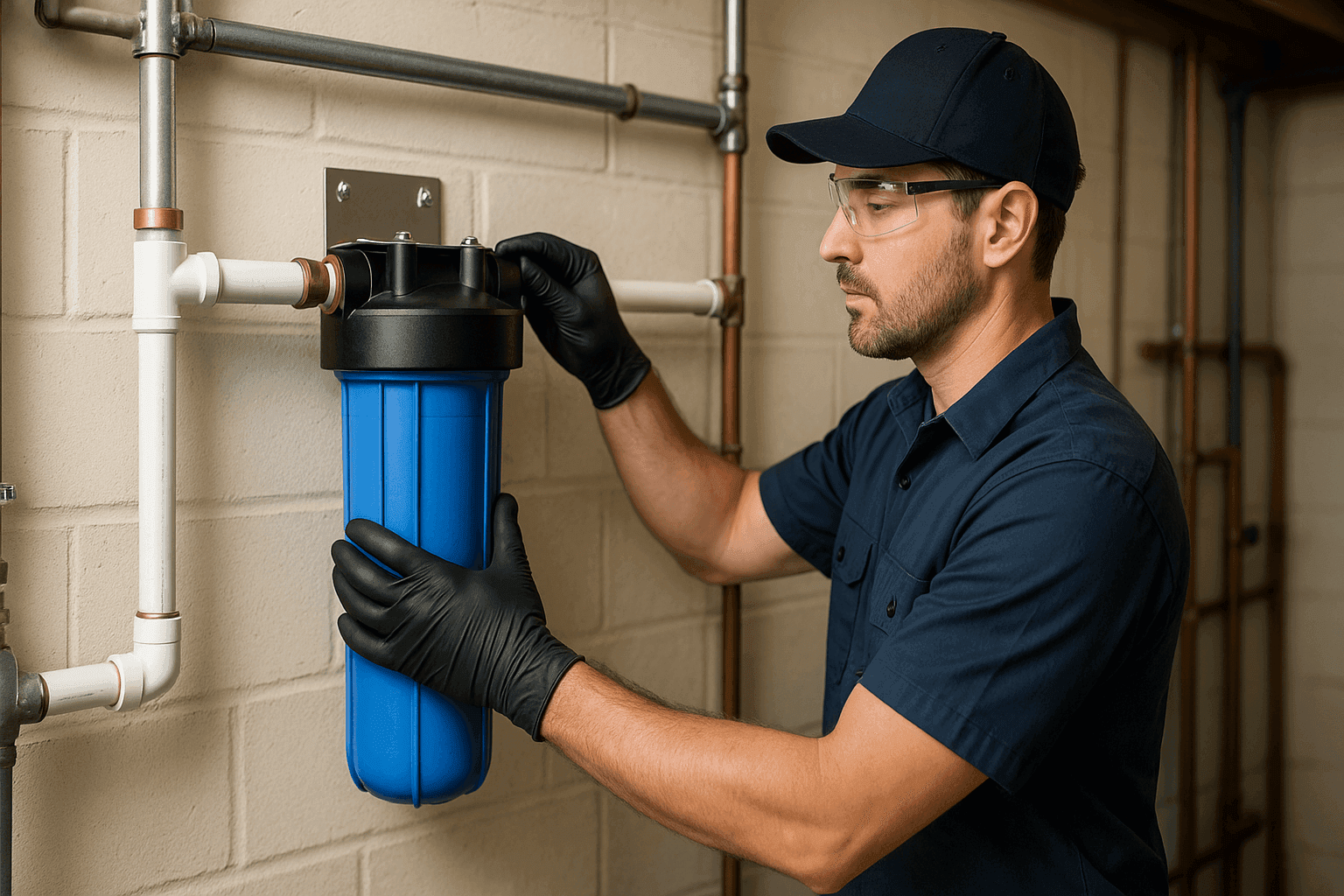
Water is life. It fills your glass, boils your pasta, and keeps your home running. But what if the water coming from your tap isn’t as clean or healthy as you’d like? Most folks don’t think twice about their water—until something seems off. Maybe it tastes strange. Or leaves spots on your dishes. Or your skin feels dry after every shower.
At Down to Earth Plumbing, we work with families every day who want peace of mind about what’s flowing through their pipes. You shouldn’t have to wonder if your tap water is safe. You deserve clarity, reliability, and a little confidence every time you turn on the faucet.
Signs You Need a Filtration System 🚰
Sometimes, the need for a water filtration system sneaks up quietly. Other times, it’s as obvious as a skunk at a picnic. Here’s what to look for:
- Funny Taste or Smell: Water should taste like, well, nothing at all. Metallic, chemical, or musty flavors are red flags. Chlorine, sulfur (“rotten eggs”), or earthy notes mean impurities could be present.
- Stains and Spots: Hard water leaves chalky residue on glasses, sinks, and showers. Rusty stains point to iron or manganese. Blue-green streaks? That’s likely copper.
- Cloudiness: Milky or murky water isn’t just unappetizing—it can signal sediment, minerals, or air bubbles.
- Irritated Skin and Hair: Hard water can dry out your skin and hair. Some contaminants may also cause rashes or worsen eczema.
- Plumbing Issues: Scale buildup clogs pipes and damages appliances. You might notice sluggish water flow or early breakdowns in your dishwasher, washing machine, or water heater.
- Local Water Advisories: Authorities sometimes issue boil-water notices or warnings about lead, bacteria, or other contaminants.
The United States Environmental Protection Agency (EPA) sets legal limits for over 90 contaminants in public water systems. But even if your water “meets standards,” it might not meet your standards. Every home is different. Every region has its own unique water quirks.
Types of Home Water Filters
Not all filters are created equal—think of them as different tools for different jobs. Some tackle taste. Others chase after invisible threats. Here’s a quick guide:
Whole-House Filters
These systems treat water as it enters your home. Every tap, every shower, every appliance. Good for homes with widespread taste, odor, or hardness problems.
Under-Sink and Countertop Filters
Ideal for drinking and cooking water. These units fit under your kitchen sink or sit on the counter. They’re accessible and address common contaminants like chlorine, lead, and some bacteria.
Faucet and Pitcher Filters
Quick and convenient. Attach to a faucet or pour water into a pitcher. Simple carbon filters reduce chlorine and improve taste, but they’re not as robust as other systems.
Reverse Osmosis (RO) Systems
RO systems use a semipermeable membrane to remove a wide range of contaminants—lead, arsenic, nitrates, and more. Great for areas with problematic tap water. They often include pre-filters and post-filters for extra protection.
Water Softeners
These don’t “filter” in the traditional sense but remove calcium and magnesium to soften hard water. This protects pipes and appliances, making soap work better and showers feel nicer.
UV Purifiers
UV light zaps bacteria, viruses, and other microorganisms. Best used alongside other filters, especially if your home relies on well water.
Pro tip: The right system depends on your water’s quirks and your family’s needs. Some homes benefit from layering systems—like a softener plus a drinking water filter.
How to Test Your Water Quality
You can’t fix what you can’t see. That’s why testing is step one.
- Request a Consumer Confidence Report (CCR): If you’re on city water, your supplier must provide an annual water quality report. It lists detected contaminants and compares them to EPA standards.
- DIY Test Kits: Available at hardware stores and online. These can detect bacteria, lead, pesticides, hardness, and more. Follow the instructions closely for accurate results.
- Professional Lab Testing: For the most comprehensive readout, hire a certified laboratory. Especially important if you’re on well water or have reason to suspect unusual contamination (after a flood, for example).
Common things to check:
- Lead and copper (especially in older homes)
- Bacteria (coliform, E. coli)
- Nitrates (well water risk)
- Hardness (calcium, magnesium)
- Chlorine and byproducts
- Iron, manganese, sulfur
The EPA recommends testing private wells at least once a year. If you notice changes in taste, color, or odor—or if your appliances start acting up—don’t wait.
Choosing the Right System for Your Region
No two tap waters are exactly alike. What’s in your pipes depends on your city, your plumbing, even your block.
- Urban Areas: Higher chlorine and chloramine for disinfection. Lead can be a risk in older pipes. Use filters certified for chemical and heavy metal removal.
- Suburban/Well Water: Hardness, sediment, and bacteria are common. Consider softeners, UV purifiers, and sediment filters.
- Agricultural Regions: Pesticides and nitrates can seep into groundwater. Choose filters tested for these contaminants.
- Coastal Areas: Saltwater intrusion or high mineral content may affect taste and appliance lifespan.
Check with your local health department for reports on common water quality issues in your area. The Centers for Disease Control and Prevention (CDC) and EPA provide guidelines for safe drinking water and filter certifications.
How Filtration Systems Protect Your Health—and Your Home
Clean water is about more than taste. It’s peace of mind. A good filtration system can:
- Reduce exposure to lead, chlorine, pesticides, and other harmful substances
- Lower risk of gastrointestinal illness caused by bacteria or parasites
- Protect children, pregnant women, and immunocompromised family members
- Prevent scale and sediment buildup in pipes and appliances
- Improve the lifespan of water heaters, dishwashers, and washing machines
Think of it like brushing your teeth. You could skip it for a while—but sooner or later, problems pop up.
What to Expect During Installation
Installing a filtration system isn’t like swapping out a lightbulb. Here’s how the process usually unfolds:
- Assessment: A licensed plumber checks your home’s water source, plumbing layout, and family needs.
- System Selection: Based on test results and household size, the right system (or combination) is chosen.
- Installation: For whole-house systems, the main water line is shut off. The unit is fitted near where water enters the home, with bypass valves for future maintenance.
- Testing: After installation, your water is tested again to ensure the system works as expected.
- Instructions: You’ll get a rundown on filter maintenance, how to spot warning signs, and when to call for help.
It typically takes a few hours. For under-sink or countertop units, installation is faster and less invasive.
How to Keep Your System Working
Like any part of your home, filtration systems need regular attention.
- Change filters as recommended by the manufacturer (usually every 3–12 months)
- Watch for changes in water pressure or taste—these can signal a clogged filter
- Schedule annual inspections, especially if you have a whole-house or RO system
- If you notice leaks, odd noises, or wet spots near the unit, call a plumber right away
Preventative Maintenance near you can save money and headaches down the road.
Costs & Time Factors
Let’s face it—nobody likes surprises when it comes to home repairs. Here’s what to expect:
- Initial Costs: Faucet and pitcher filters are the cheapest. Whole-house and RO systems cost more upfront, but deliver broad protection.
- Installation: Most jobs take 1–4 hours, depending on system complexity.
- Ongoing Costs: Filter replacements and periodic professional checks are the main expenses.
- Unexpected Issues: If your plumbing is old or non-standard, extra parts or labor may be needed.
A reputable plumber should walk you through options and explain what’s included—no guesswork, no pressure.
Frequently Asked Questions
Does my water “have” to be filtered if it meets EPA standards?
Legally, no. But EPA standards are minimum requirements. If you’re sensitive to taste, have health concerns, or just want an extra layer of protection, filtration is a smart move.
Can I install a system myself?
Some under-sink and countertop units are DIY-friendly. For whole-house, RO, or systems that tie into your main water line, it’s safest to call in a pro. Incorrect installation can void warranties, cause leaks, or leave you unprotected.
How often do filters need changing?
Depends on the system and water quality. Some need a swap every few months, others last a year or longer. Always follow manufacturer guidelines—and watch for signs of slowing flow or off tastes.
Will filtering water fix my hard water problems?
Not all filters address hardness. You’ll need a dedicated water softener to tackle scale and mineral buildup. Some systems combine softening and filtration for households with multiple concerns.
Local and Seasonal Considerations 🌦️
Water quality changes with the seasons. After heavy rain or drought, contaminants can spike. In winter, pipe corrosion may increase—especially in older homes. If your area is prone to flooding, keep an eye out for changes in taste or color.
Check in with your city or county for seasonal water reports. If you have a well, test more often after major weather events. And remember: emergency plumbing needs can pop up at the worst times, so keep our number handy.
Clean, safe water shouldn’t be a luxury. If you’re unsure about your tap water, or just want advice on Preventative Maintenance near you, we’re happy to help.
Call Down to Earth Plumbing now — or reach us anytime at 888-488-8509 .