Water Heater Installation: Costs, Lifespan & Energy Savings
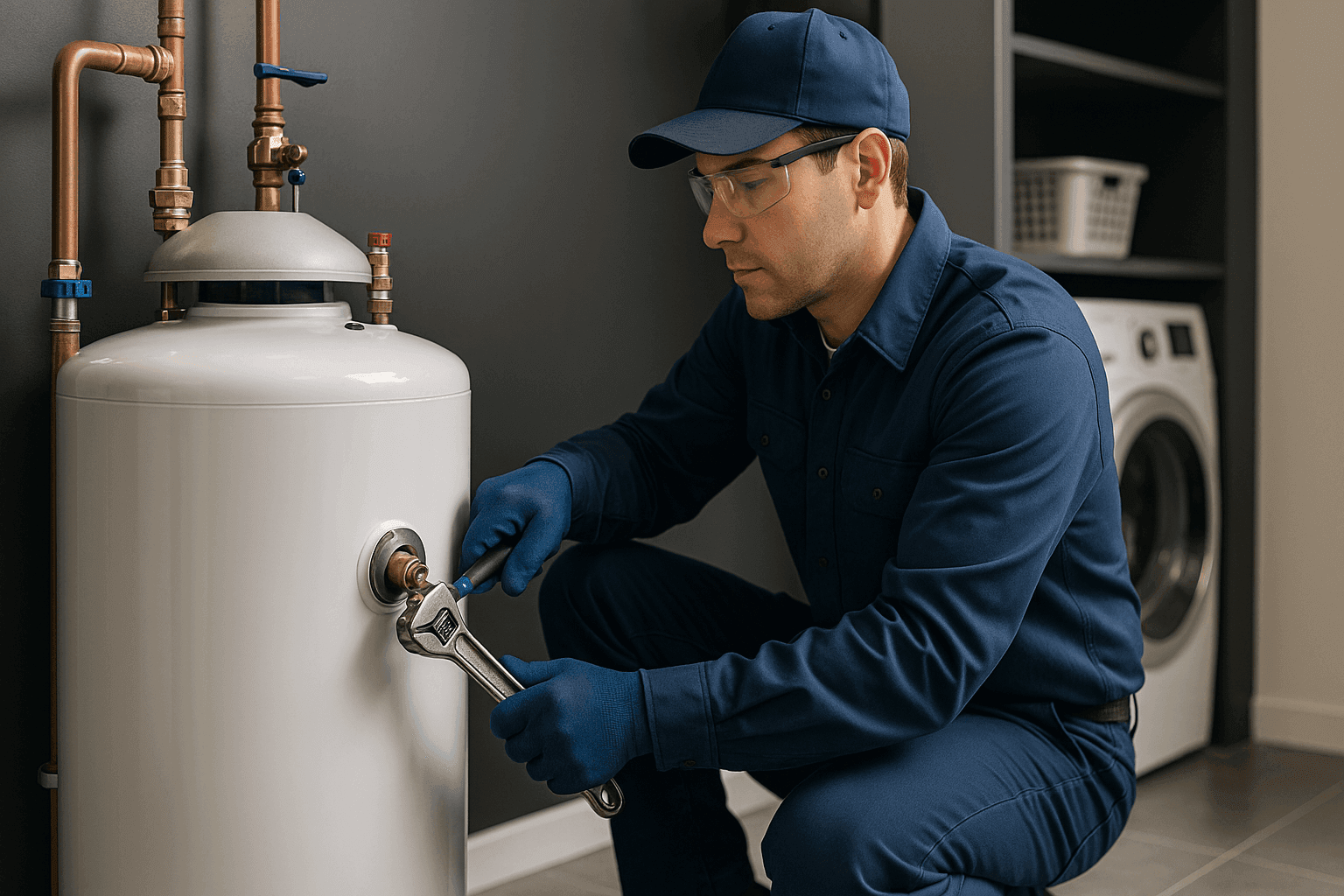
When your shower suddenly turns cold, or the basement feels like a sauna from a leaking tank, you realize just how much your water heater matters. The decision to install a new one is about more than just hot water—it's about comfort, safety, and savings.
At Down to Earth Plumbing, we know residential water heater installation from the inside out. Whether you’re replacing an old tank or upgrading to something sleek and efficient, we’ll walk you through the facts in plain language. No guesswork. No surprises. Just what you need to know.
Types of Water Heaters
Choosing the right water heater is a bit like picking the right shoes. You want the best fit for your needs—nothing too clunky, nothing too fancy if you don’t need it. Here are the main types you’ll run into:
Tank Water Heaters
- Traditional, familiar, reliable.
- Stores and heats a set amount of water (typically 30–80 gallons).
- Lower upfront cost.
- Takes up more space.
- Heats water continuously—even if you’re not using it.
Best for: Medium to large households, steady usage, folks who don’t want to wait for hot water.
Tankless Water Heaters
- Heats water on demand—like flipping a switch.
- Compact design, mounts on a wall.
- Higher installation cost, but lower monthly bills.
- Unlimited hot water (within capacity).
- Lasts longer than tanks in many cases.
Best for: Smaller homes, energy-conscious families, those tight on space.
Hybrid (Heat Pump) Water Heaters
- Uses heat from the air to warm your water.
- Even more energy efficient—think of it as a water heater with a built-in brain.
- Higher initial price.
- May require more room and specific placement.
Best for: Homeowners looking for long-term savings, especially in warmer climates.
Typical Installation Costs by Region 💡
Here’s where the rubber meets the road. Water heater installation costs can swing like a weather vane, depending on where you live and what you need.
- Tank Water Heaters: $900–$2,500 (includes unit and labor)
- Tankless Water Heaters: $1,800–$4,500
- Hybrid Water Heaters: $2,000–$4,800
Urban areas often lean to the higher side due to labor and permit costs. Rural regions may see lower prices, but travel fees can add up. Always check what’s typical for your area, and remember, these are ballpark ranges—not hard quotes.
Factors Affecting Price
Like tuning up a car, every water heater job is unique. Several factors can nudge the final price up or down:
- Unit type and size: Larger tanks or high-output tankless systems cost more.
- Existing plumbing and gas/electric lines: Old connections or upgrades add labor.
- Accessibility: Tight basements, crawl spaces, or multi-level homes can take more time.
- Permits and code requirements: Local rules (like those from the International Association of Plumbing and Mechanical Officials) may require extra steps.
- Disposal of old unit: Hauling away that rusty tank isn’t always free.
Tip: Get the model number of your existing heater before calling for Preventative Maintenance near you. It helps plumbers give better estimates.
Expected Lifespan and Maintenance 🕑
Treat your water heater well, and it’ll return the favor for years.
- Tank models: 8–12 years, sometimes more with routine flushes and anode rod checks.
- Tankless models: 15–20 years, especially with annual descaling.
- Hybrid models: 13–15 years, but proper airflow is key.
Routine maintenance tips:
- Flush tank heaters once a year to prevent sediment buildup.
- Inspect for leaks or corrosion regularly.
- Test temperature-pressure relief valves annually (see manufacturer instructions).
- For tankless units, descale annually if you have hard water.
Warranties: Most manufacturers offer 6–12 year warranties on tanks, and up to 15 years on tankless components. Always read the fine print—labor isn’t always included, and certain maintenance tasks may be required to keep coverage valid.
Energy Efficiency Savings
A new water heater is like swapping a gas guzzler for a hybrid car. You might pay more upfront, but the savings add up month after month.
- Newer tanks: Up to 10–15% more efficient than old models.
- Tankless: Can be 24–34% more efficient, especially for homes using less than 40 gallons per day (per U.S. Department of Energy).
- Hybrid: Uses up to 60% less energy than standard electric tanks.
What does this mean for your wallet?
- Savings of $100–$300+ per year, depending on usage and local energy rates.
- Lower carbon footprint for environmentally-minded homeowners.
Local Rebates and Incentives 🏠
Many utility companies and local governments offer rebates for high-efficiency water heaters. Some examples:
- Federal tax credits for ENERGY STAR certified models.
- State and municipal rebates for heat pump or tankless installations.
- Electric company incentives for replacing old electric tanks.
Tip: Check with your local energy provider or visit the Database of State Incentives for Renewables & Efficiency (DSIRE) to see what’s available in your zip code.
What to Expect During Installation
Getting a new water heater doesn’t have to feel like a circus act. Here’s how it typically goes:
- Assessment: The plumber checks your current setup, measures space, and ensures all codes are met.
- Shut-off: Water, power, and gas (if applicable) are safely turned off.
- Removal: The old unit is drained and hauled out.
- Prep work: New connections, earthquake straps, or venting installed as needed.
- Installation: New unit is set, hooked up, and tested for leaks.
- Startup: System is filled, checked, and temperature set.
- Cleanup: Old unit and debris are removed, workspace tidied.
Expect 2–6 hours for most jobs, depending on complexity.
Quick Safety Checklist
- Confirm your installer is licensed and insured.
- Ask about local permit requirements.
- Ensure earthquake straps and proper venting (especially for gas units).
- Test carbon monoxide alarms if installing a gas appliance.
- Locate your water and gas shutoff valves in case of emergency plumbing needs later.
Common Questions (FAQ) 🤔
Q: Can I install a water heater myself?
A: It’s possible, but not recommended for most homeowners. Mistakes can lead to leaks, gas hazards, or code violations.
Q: How do I know it’s time to replace my water heater?
A: Rusty water, noisy tanks, inconsistent temperatures, and leaks are big warning signs.
Q: Will a tankless heater work with well water?
A: Yes, but regular descaling is critical if you have hard water.
Q: Are there any hidden costs?
A: Sometimes. Upgrades to venting, electrical, or gas lines may be needed to meet code.
Local and Seasonal Considerations
- Cold climates: Larger tanks or higher-capacity tankless units may be needed to keep up in winter.
- Hard water areas: Plan for regular maintenance or consider a water filtration system.
- Older homes: May require additional plumbing work to meet current safety codes.
If you’re not sure what’s best for your home, Down to Earth Plumbing can help you weigh the options.
Ready for reliable hot water—and energy savings that last?
Call Down to Earth Plumbing now — or reach us anytime at 888-488-8509 .